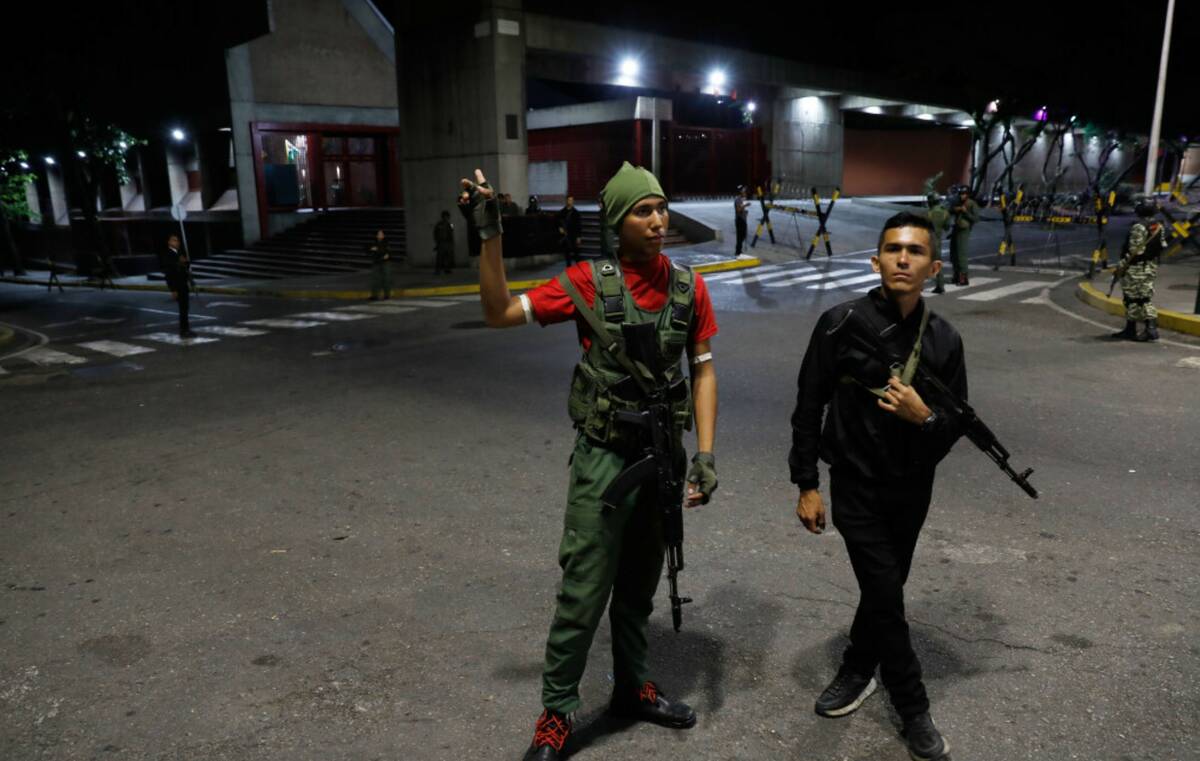
At approximately 2 a.m. local time on Saturday, multiple explosions and the sound of low-flying aircraft echoed through the capital of Venezuela, Caracas. The Venezuelan government has accused the United States of launching attacks on civilian and military installations across various states. This escalation comes amid heightened military activity in the region, leading to significant unrest among the local population.
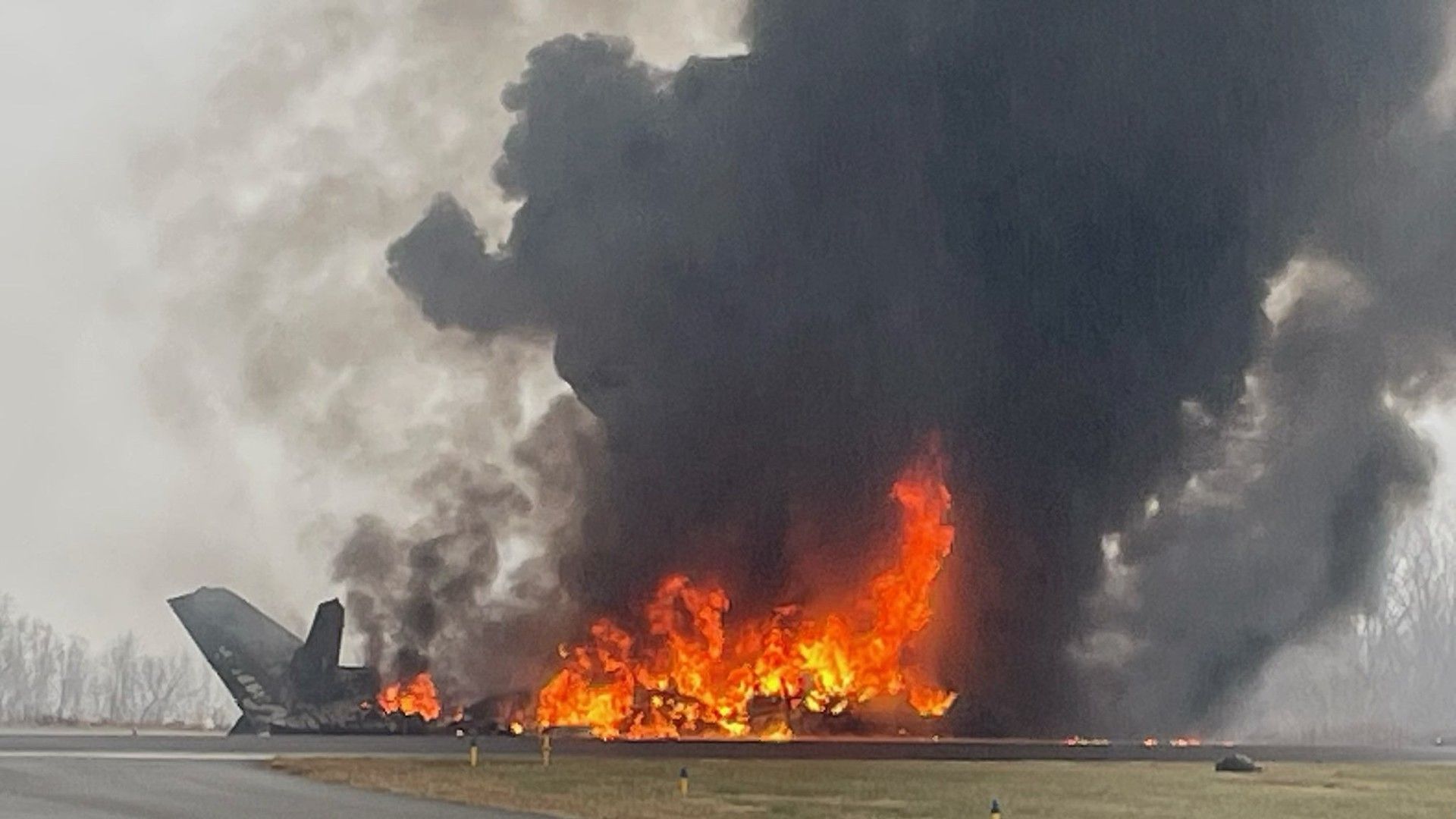
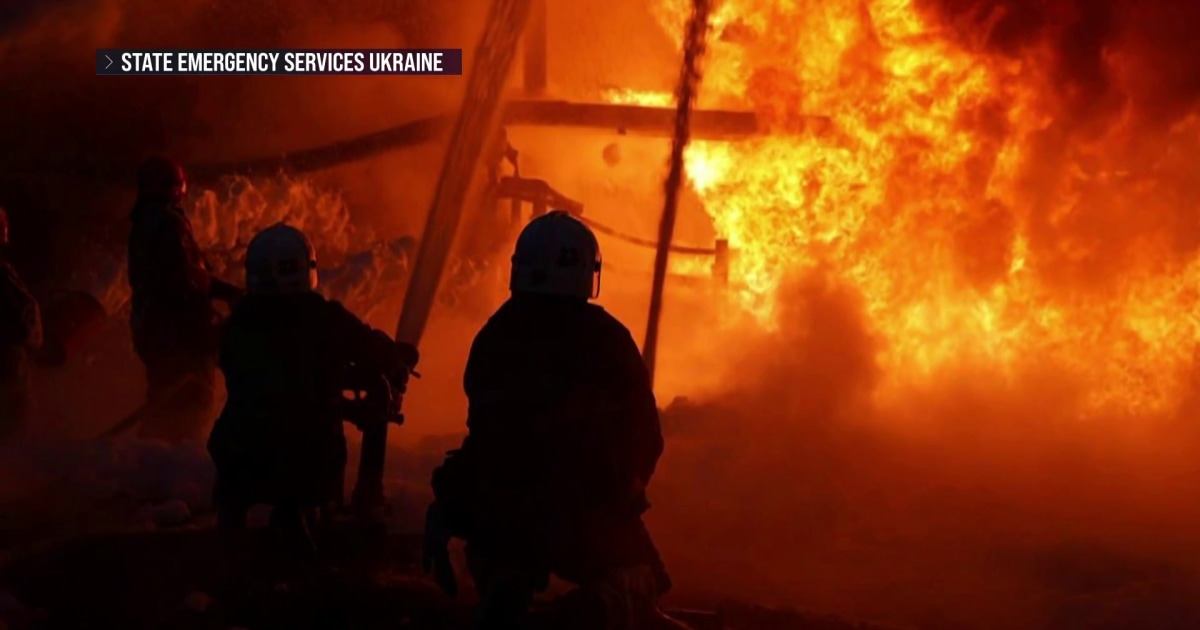
The Pentagon has not responded directly to these allegations, referring inquiries to the White House, which has yet to provide a comment. In light of the reported attacks, the Federal Aviation Authority has prohibited U.S. commercial flights from entering Venezuelan airspace, citing ongoing military operations. Smoke was observed rising from a military base hangar in Caracas, and reports indicate that at least one military installation in the city experienced power outages.
Residents described the frightening experience as they rushed into the streets. “The whole ground shook. This is horrible. We heard explosions and planes,” said Carmen Hidalgo, a 21-year-old office worker. She was with family members returning from a birthday celebration when the disturbances occurred. “We felt like the air was hitting us,” she added, highlighting the chaos that enveloped the city.
In response to the attacks, the Venezuelan government has mobilized its supporters, urging them to protest. “People to the streets!” the government statement declared, calling on all social and political forces to take a stand against what they termed an imperialist attack. President Nicolás Maduro has ordered the implementation of national defense plans and declared a state of external disturbance, underscoring the seriousness of the situation.
The recent military actions from the U.S. have primarily targeted alleged drug-smuggling vessels in the Caribbean. On Friday, Venezuela expressed a willingness to negotiate an agreement with the U.S. to combat drug trafficking, indicating a potential shift in diplomatic relations. Concurrently, Maduro has accused the U.S. of attempting to force a government change in Venezuela to gain access to its vast oil reserves, a claim he made during a pre-recorded interview aired earlier in the week.
The U.S. has previously accused Maduro of narco-terrorism, and the Central Intelligence Agency (CIA) reportedly executed a drone strike last week against a site believed to be utilized by Venezuelan drug cartels. This operation marked the first known direct U.S. military action on Venezuelan soil since the onset of strikes against drug vessels in September.
Former President Donald Trump had threatened military strikes on Venezuelan territory for several months, leading to increased military presence in the Caribbean. The number of confirmed boat strikes by U.S. forces has reached at least 35, resulting in over 115 fatalities, as reported by the Trump administration. This military buildup included the deployment of the U.S.’s most advanced aircraft carrier, significantly augmenting the military presence in the region.
Trump justified these military actions as necessary to curb the influx of drugs into the United States, asserting that the nation is engaged in an “armed conflict” with drug cartels. As tensions continue to escalate, the international community watches closely, with implications for both regional stability and U.S.-Venezuela relations hanging in the balance.