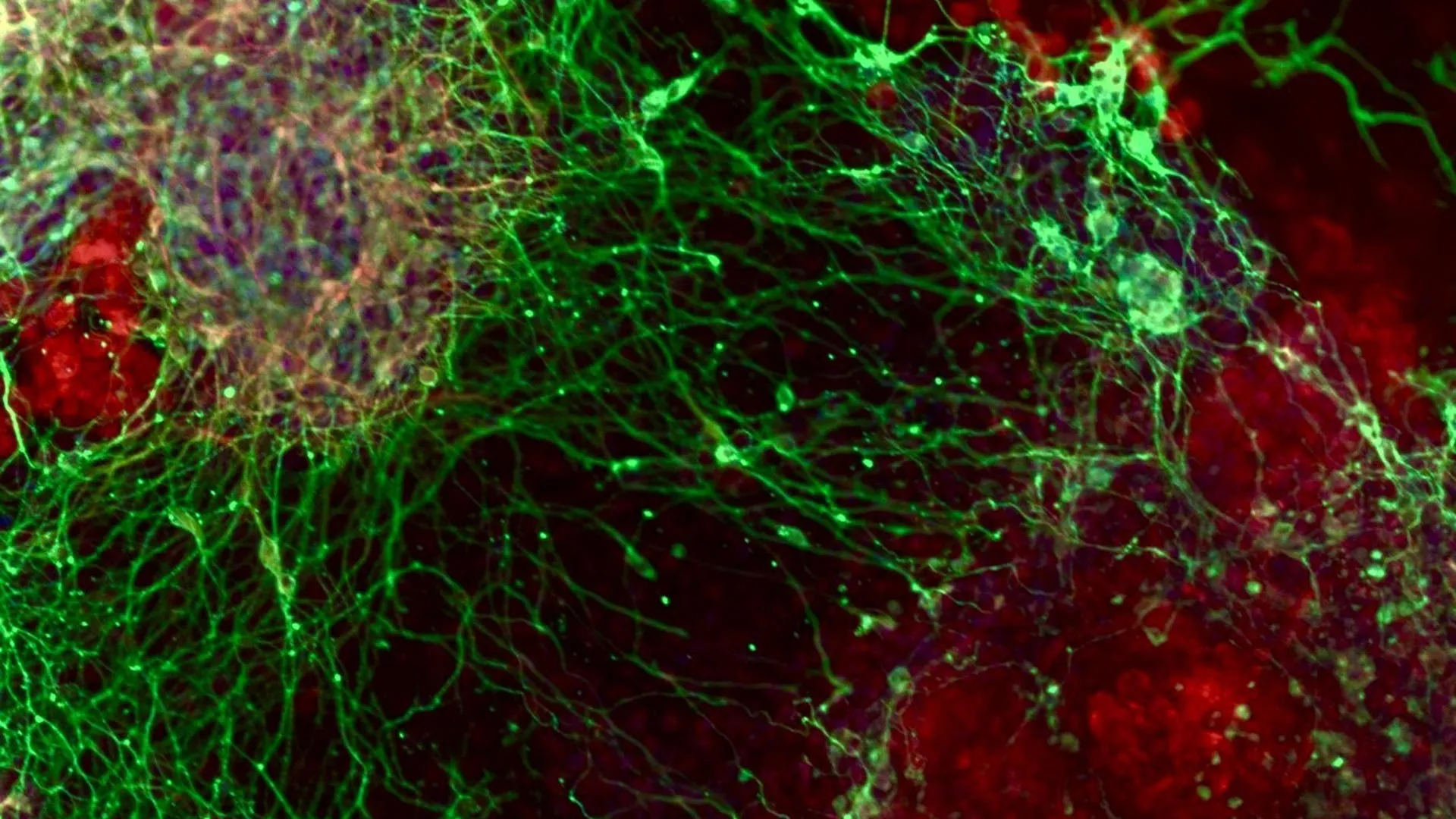
UPDATE: A groundbreaking study published on January 5, 2026, reveals critical insights into how stem cells transform into brain cells, identifying 331 genes essential for this process. Conducted by researchers at The Hebrew University of Jerusalem and INSERM, France, the study employs advanced CRISPR gene-editing technology to explore the genetic underpinnings of brain development.
This urgent discovery highlights the significance of a gene named PEDS1, now linked to a previously unknown neurodevelopmental disorder in children. Researchers found that when PEDS1 malfunctions, it severely impacts brain growth and nerve cell formation, which could have profound implications for understanding developmental disabilities.
The research, led by Prof. Sagiv Shifman and Prof. Binnaz Yalcin, utilized a comprehensive genome-wide CRISPR knockout screen to examine nearly 20,000 genes. By systematically disabling individual genes, the team was able to identify those critical for the formation of neurons, advancing our knowledge of how genetic changes can drive neurodevelopmental disorders such as autism and developmental delay.
Among the standout findings is the role of PEDS1 in producing plasmalogens, essential components of myelin that insulate nerve fibers. The absence of this gene not only leads to reduced brain size but also correlates with severe developmental symptoms in children carrying mutations in PEDS1. Genetic testing confirmed this link in two unrelated families, underscoring the urgency of understanding PEDS1’s function in human brain development.
Prof. Shifman emphasized the impact of this research: “By tracking the differentiation of embryonic stem cells into neural cells and systematically disrupting nearly all genes in the genome, we created a map of the genes essential for brain development. Identifying PEDS1 as a genetic cause of developmental impairment opens the door to better diagnosis and genetic counseling for affected families.”
The study also produced an “essentiality map,” elucidating how specific genes are required at various stages of development. This map distinguishes between genetic mechanisms associated with autism and those linked to developmental delay, paving the way for targeted research in these areas.
In a significant move to support ongoing research, the team has launched an open online database featuring the study’s results. Researchers worldwide can now access this valuable resource to further explore the genetic factors involved in neurodevelopmental disorders.
The implications of this research are monumental, potentially leading to enhanced diagnostic tools and targeted treatments for conditions stemming from early brain development issues. As the scientific community delves deeper into the genetic factors influencing brain formation, the findings from this study may help shape future research and therapeutic strategies.
Overall, this urgent update not only sheds light on the intricate processes governing brain cell formation but also emphasizes the critical role of genetic research in addressing neurodevelopmental challenges facing children today. As the implications unfold, the scientific community is poised to utilize this groundbreaking work to improve the lives of those affected by these disorders.