DUBAI, United Arab Emirates — U.S. President Donald Trump announced on Sunday that Iran has expressed a desire for negotiations following his warning of potential military action in response to the ongoing violent crackdown on demonstrators. The protests, which began on December 28, 2023, have resulted in a rising death toll, now reported to be at least 544, according to the Human Rights Activists News Agency. This organization, which monitors human rights in Iran, has indicated that the death toll includes 496 protesters and 48 security personnel.
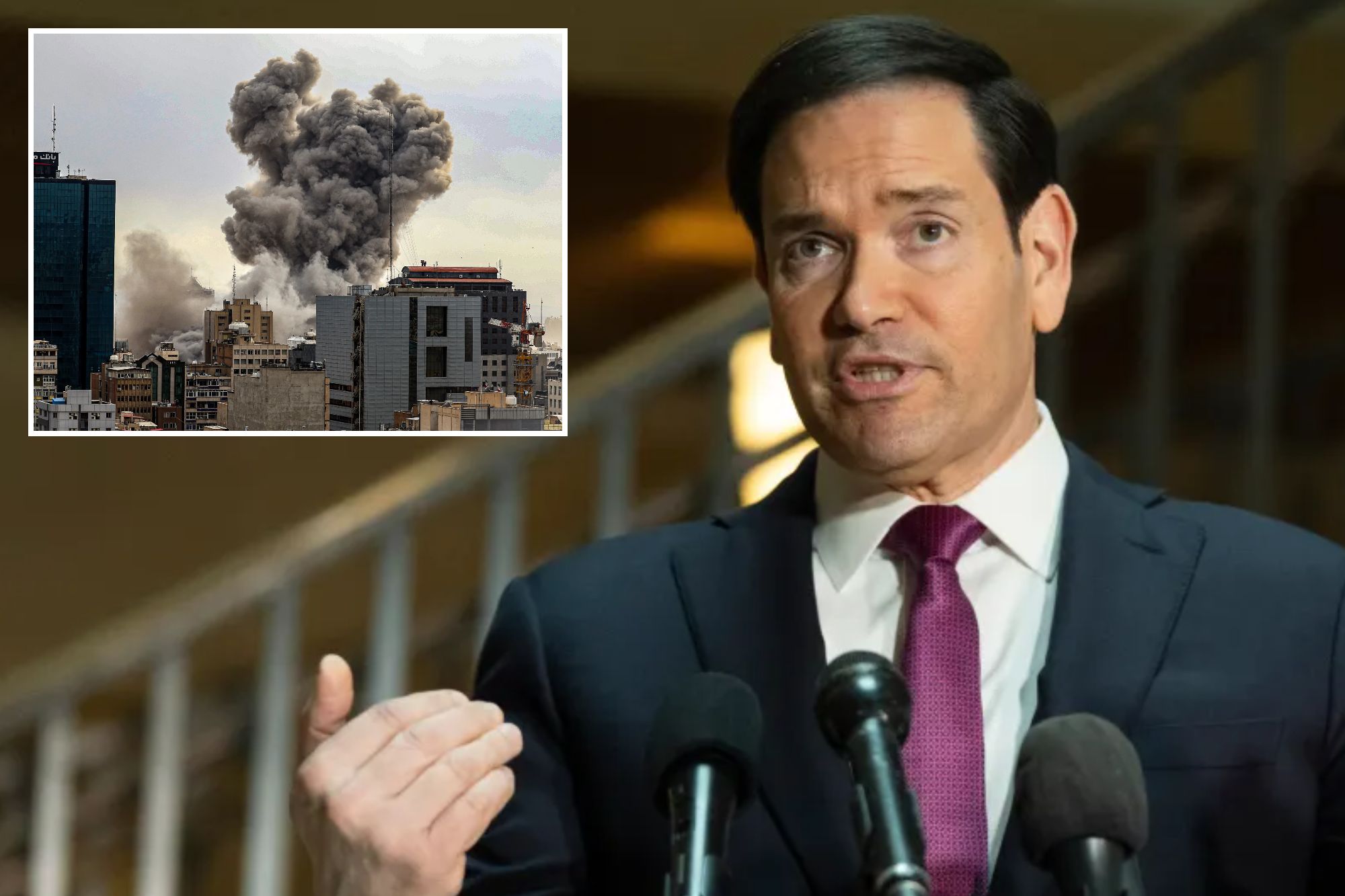
Trump’s remarks came aboard Air Force One, where he stated that he and his national security team are considering various responses to the situation in Iran, including possible cyberattacks and direct military strikes. “The military is looking at it, and we’re looking at some very strong options,” he told reporters. He warned that if Iran retaliates against U.S. interests, the response would be unprecedented.
While Trump mentioned that negotiations with Tehran are being arranged, he emphasized that actions may occur before a formal meeting can take place. “Iran wants to negotiate,” he asserted, although there has been no official acknowledgment from Iranian authorities regarding the proposed discussions.
In the backdrop of these diplomatic overtures, the Iranian government has faced significant internal unrest. Over 10,600 protesters have reportedly been detained since the demonstrations began. The internet and phone communications in Iran have been severely restricted, complicating efforts to accurately gauge the scale of the protests and the government’s response. The Associated Press has been unable to independently verify the reported death toll due to these communication barriers.
Rising Tensions and Military Threats
As protests continued over the weekend, Iranian hard-liner Mohammad Baagher Qalibaf, the speaker of parliament, issued a stark warning against potential military action by the U.S. or Israel. He declared that any attack on Iran would make both American military installations and Israel legitimate targets. Lawmakers in Iran’s parliament expressed their defiance, chanting slogans against the United States.
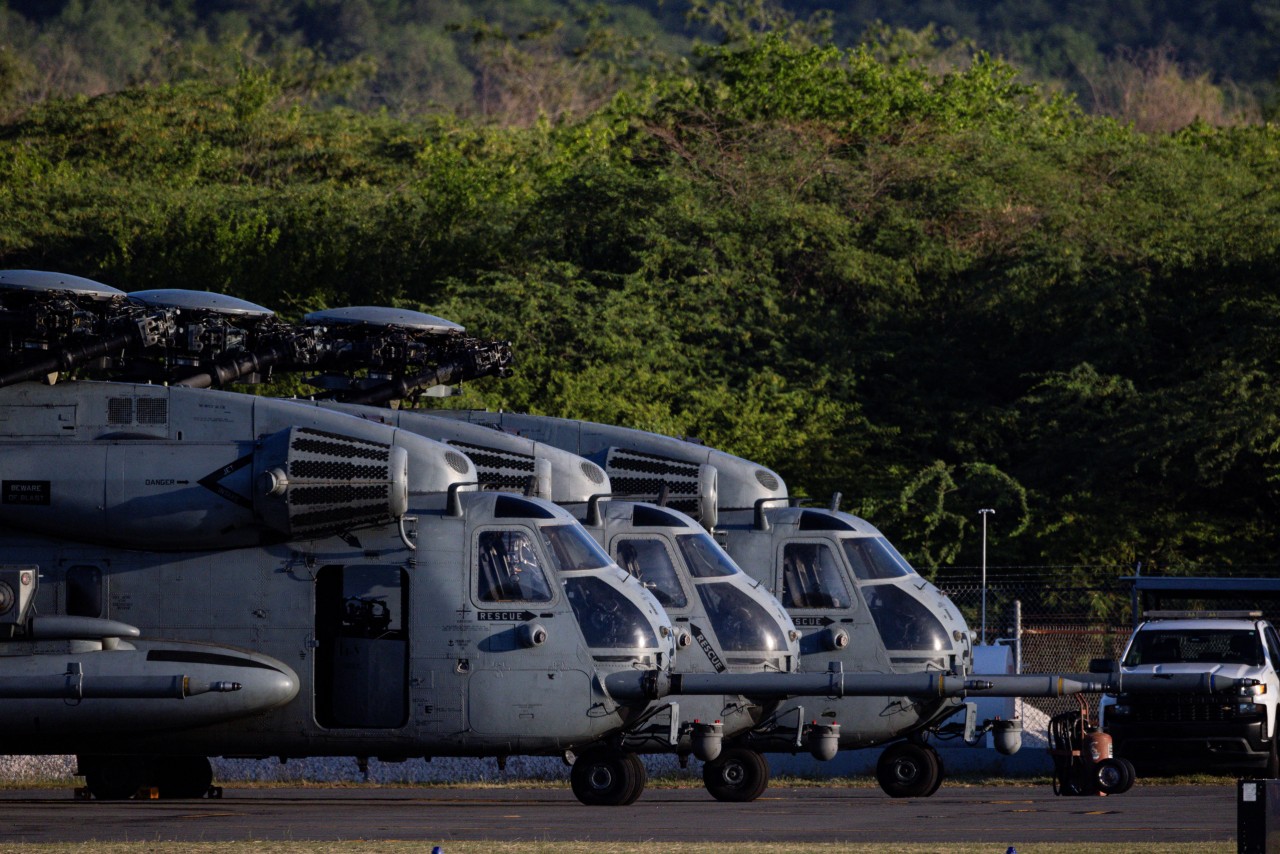
The situation remains precarious, particularly as military planners in the U.S. consider the implications of a large military presence in the Caribbean and ongoing tensions in the region. Iran’s Supreme Leader, Ayatollah Ali Khamenei, retains ultimate authority over any decisions regarding military engagement, and the impact of previous conflicts, such as the recent confrontation with Israel, looms large.
The U.S. military has stated it is prepared to defend its forces and interests in the region, positioning itself with a full range of combat capabilities. This readiness includes the U.S. Navy’s 5th Fleet, which is based in Bahrain, and forces stationed at the Al Udeid Air Base in Qatar.
International Responses and Humanitarian Concerns
The unrest in Iran has drawn international attention, with protests held in various world capitals in solidarity with Iranian demonstrators. Pope Leo XIV expressed concern over the violence and loss of life in Iran, urging for dialogue and peace. The United Nations Secretary-General, Antonio Guterres, also condemned the violence against protesters and called for restraint from Iranian authorities.
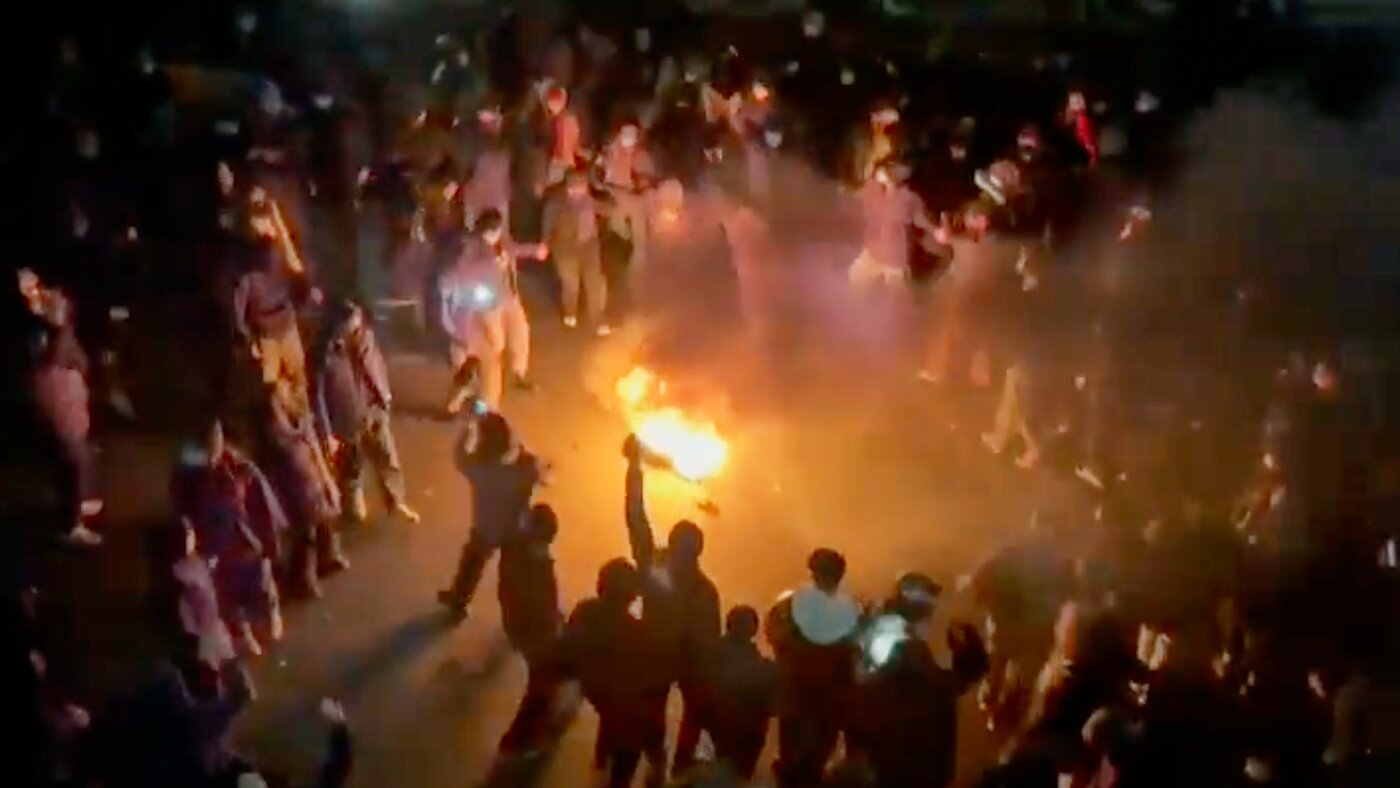
Reports of ongoing protests have emerged from Tehran and other cities, with demonstrators gathering in significant numbers. Videos purportedly showing protests in northern Tehran’s Punak neighborhood have surfaced, depicting people defying government restrictions by lighting their mobile phones and engaging in acts of civil disobedience.
As the Iranian government grapples with the escalating unrest, the international community continues to monitor the situation closely, with fears that the information blackout may lead to further violence against civilians. The protests, sparked by economic grievances including the collapse of the Iranian rial, have evolved into broader calls for political reform and accountability from the ruling theocracy.