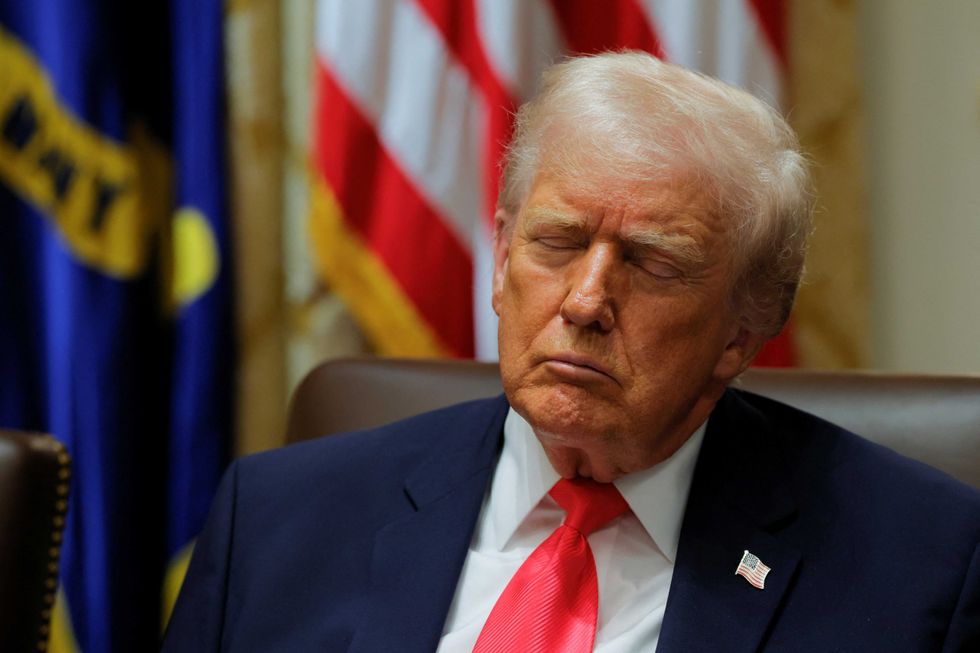
California Governor Gavin Newsom has publicly criticized President Donald Trump for the recent U.S. military strikes on Iran, labeling the actions as “reckless.” In a social media post on February 28, 2024, Newsom expressed his concerns regarding the risks posed to American lives, stating that while he supports preventing Iran from acquiring nuclear weapons, the president’s decision to engage in major combat operations lacked justification.
Newsom’s remarks followed coordinated military actions by the U.S. and Israel against targets in Iran. These strikes have provoked retaliatory missile attacks from Iran, escalating fears of a wider conflict in the Middle East. Newsom emphasized the need for a clear strategy and criticized the administration for distracting from domestic issues. He argued that Congress should play a significant role in decisions related to war and peace, reflecting rising concerns among his party about the legality of the military actions.
At a public event in San Francisco later that day, Newsom reiterated his stance, asserting that Trump’s actions stem from “weakness masquerading as strength.” His comments resonate with growing dissent from Democratic lawmakers who contend that the strikes lack a legal basis and could jeopardize the safety of U.S. service members.
In contrast, celebrations erupted in the Westwood neighborhood of Los Angeles, which has the largest Iranian American community outside of Iran. Residents took to the streets, waving Iranian flags and honking car horns following the announcement of the death of Iran’s supreme leader.
Justice Department Joins Lawsuit Against LAUSD
The U.S. Justice Department has also made headlines by joining a federal lawsuit against the Los Angeles Unified School District (LAUSD). The lawsuit, initiated by the 1776 Project Foundation, claims that LAUSD’s Predominantly Hispanic, Black, Asian, and Other (PHBAO) program unlawfully discriminates against White students by employing race-based classifications for funding and admissions preferences.
In a motion filed on February 25, 2024, the Justice Department stated that the PHBAO program violates federal civil rights laws. According to the lawsuit, LAUSD has transformed a desegregation policy established by a 1981 court order into a permanent system of racial preferences, which Attorney General Pamela Bondi described as an infringement of constitutional guarantees of equal treatment.
The lawsuit highlights that schools with less than 30% White students receive additional benefits, including reduced student-teacher ratios and preferential treatment for transferring to magnet schools. Assistant Attorney General Harmeet K. Dhillon criticized the policy, asserting that students should not be classified by race.
Despite the ongoing litigation, an LAUSD spokesperson stated that the district could not comment but reiterated its commitment to ensuring equitable educational opportunities for all students.
California Sees Notable Declines in Crime Rates
In another significant development, the California Public Policy Institute (PPIC) reported a substantial decline in both violent and property crime rates across the state in 2024. The overall violent crime rate dropped by 5.3%, with homicides decreasing by 13.5%. Despite the positive trend, violent crime remains higher than pre-pandemic levels.
The state also experienced a 9.9% decline in property crime, marking the lowest rate since 1985. However, some categories, such as shoplifting, continue to rise, indicating ongoing challenges in public safety. The report noted that while most counties reported declines, crime rates varied significantly by region.
California’s Ambitious Water Plan and Campaign Financing Reforms
On February 26, 2024, Governor Newsom announced the launch of the California Water Plan 2028, setting an ambitious target of securing 9 million acre-feet of water by 2040. This initiative addresses the pressing issues of climate change and aims to enhance the state’s water management strategies. Newsom emphasized the importance of capturing and conserving water resources for the future sustainability of California.
Additionally, a new ballot measure, the California Fair Elections Act, will appear on the November 2026 ballot to enable local governments to establish campaign financing systems aimed at amplifying small-dollar donations. This proposal seeks to reduce the influence of wealthy donors on political processes. Supporters of the measure argue that it will empower everyday Californians and promote broader representation in political campaigns.
These developments illustrate a period of intense political activity and reform efforts in California, with significant implications for both state governance and civil rights. As these issues continue to unfold, they reflect the dynamic landscape of California politics and the ongoing dialogue surrounding equity, safety, and environmental sustainability.