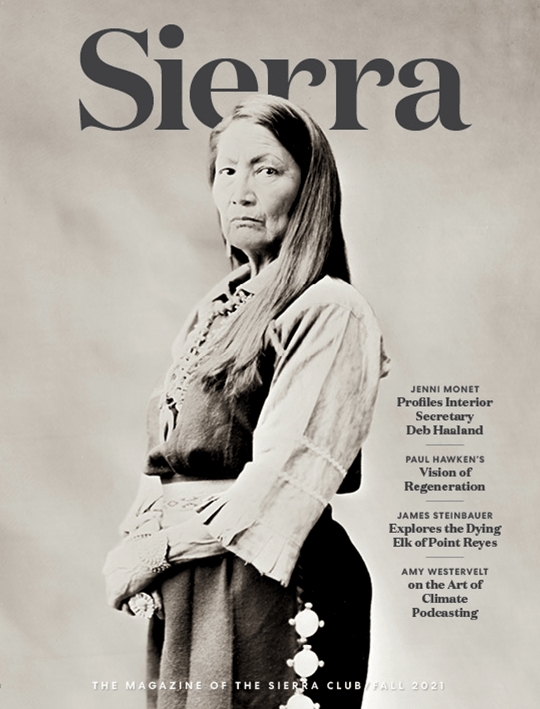
March is recognized as Women’s History Month, a time to celebrate the significant contributions of women throughout history. This observance, which aligns with International Women’s Day on March 8, is particularly prominent in countries such as the United States, Germany, and Australia. In 2026, discussions are intensifying around the future political prospects of Deb Haaland, the U.S. Secretary of the Interior, particularly regarding her potential candidacy for vice president.
Haaland, a member of the Laguna Pueblo, would not be the first Native American to serve in this role, but her nomination would mark a historic moment for Indigenous representation in American politics. The ongoing conversation about her candidacy is gaining traction, especially as the Democratic Party prepares for the upcoming elections.
A growing number of Native American leaders and advocates believe that Haaland could play a crucial role in securing key battleground states, including Arizona, Michigan, Nevada, North Carolina, and Wisconsin. These states are vital for the Democratic Party, and the Native vote could significantly influence the election’s outcome.
With Vice President Kamala Harris now the Democratic nominee following Joe Biden‘s withdrawal from the presidential race, the selection of a running mate has become a focal point. Some experts believe Haaland’s inclusion on this list could enhance the party’s appeal among Indigenous voters and amplify their concerns on environmental and social justice issues.
Since her confirmation as Secretary of the Interior in March 2021, Haaland has made significant strides in her role. Her department, which oversees approximately 70,000 employees, manages vital resources and public lands, emphasizing environmental protection and Indigenous rights. The department’s budget for the fiscal year 2024 stands at $89.08 billion, with $4.6 billion requested for Indian Affairs programs in the fiscal year 2025.
Haaland has prioritized addressing the climate crisis and fostering environmental justice. She has initiated several key policies aimed at ensuring equitable access to public lands and resources for all communities, particularly marginalized groups. Her commitment to integrating Indigenous knowledge into land management practices has been a hallmark of her tenure.
One of her notable achievements includes establishing the Missing and Murdered Unit within the Bureau of Indian Affairs, aimed at addressing the alarming epidemic of missing and murdered Indigenous people. Additionally, she initiated the Federal Indian Boarding School Initiative, which seeks to confront the historical injustices faced by Indigenous communities.
As Haaland continues to advocate for climate action and environmental stewardship, her influence extends beyond her current role. At the recent Native Power Building Summit in Scottsdale, Arizona, Minnesota Lieutenant Governor Peggy Flanagan expressed optimism about Haaland’s future, stating, “I feel like Deb Haaland’s future is very bright no matter what she is called to do. Being the vice president would be a dream come true.”
Political analyst Holly Macaro also weighed in on the conversation, highlighting Haaland’s leadership qualities and her vital role in advancing the Biden administration’s climate agenda. She noted that adding Haaland to the short list of vice presidential candidates would not only be historic but also a strategic move that could benefit the Democratic Party in upcoming elections.
As discussions surrounding potential vice presidential candidates heat up, the prospect of Deb Haaland stepping into this role remains a significant topic of interest among voters. With her extensive experience and commitment to advocating for Indigenous rights and environmental issues, many view her as a strong contender who could resonate with a broad spectrum of voters across the nation.
The coming months will be pivotal as the Democratic Party navigates its strategy for the 2024 election, and Haaland’s journey continues to inspire hope and excitement in Indian Country and beyond.