Trump Administration Imposes New Cuba Sanctions on May Day
The Trump administration has sharply escalated pressure on Cuba by expanding sanctions through an executive order issued on May 1, coinciding with International Workers’ Day. The move deepens the economic crisis sweeping the island and signals an intensified U.S. stance toward Havana amid growing tensions in the Western Hemisphere.
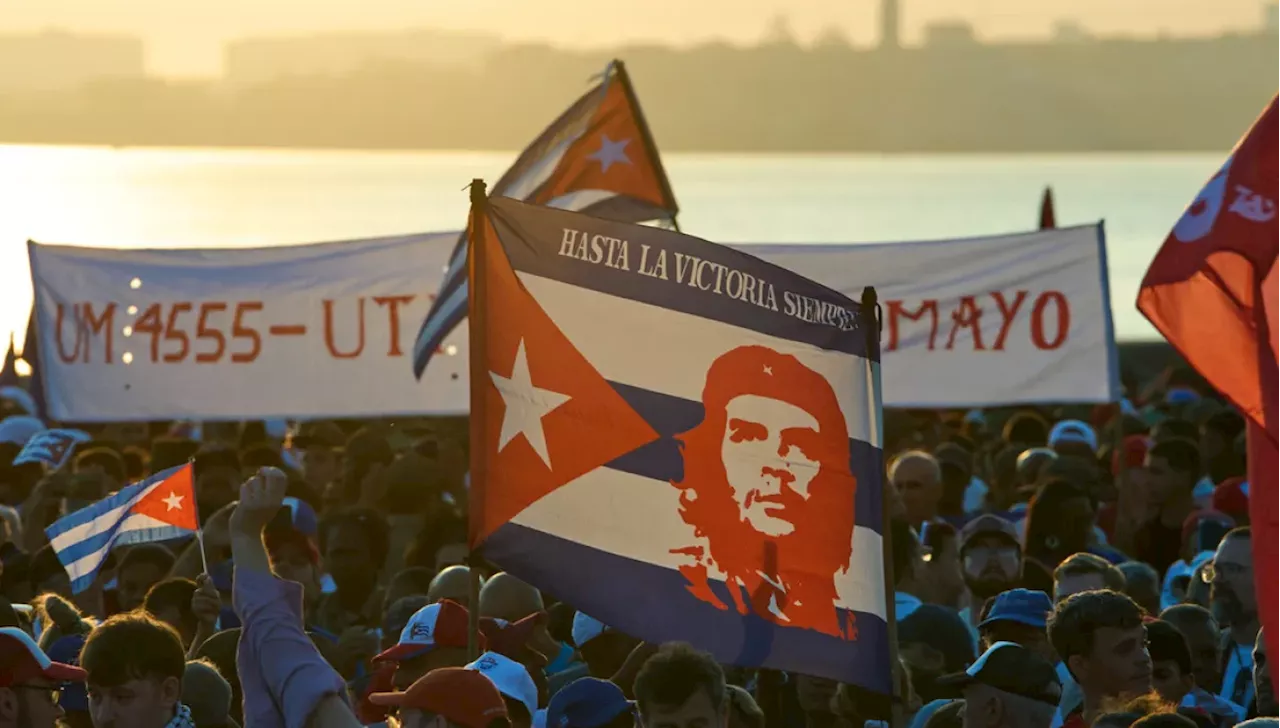
Cuban Foreign Minister Bruno Rodriguez swiftly condemned the sanctions as “unilateral coercive measures” amounting to “collective punishment on the Cuban people.” Rodriguez criticized the timing, highlighting that “millions of Cubans take to the streets to denounce the US blockade and the energy siege” on the very day the sanctions were announced.
“While the US government represses its own people in the streets, it seeks to punish ours, who are heroically resisting US imperialism’s attacks,” Rodriguez stated.
Sanctions Target Cuban Government Amid Security Concerns
The executive order underscores the White House’s view that the Cuban government’s policies “continue to constitute an unusual and extraordinary threat” to U.S. national security and foreign policy. The statement describes Cuba’s actions as “repugnant to the moral and political values of free and democratic societies.”
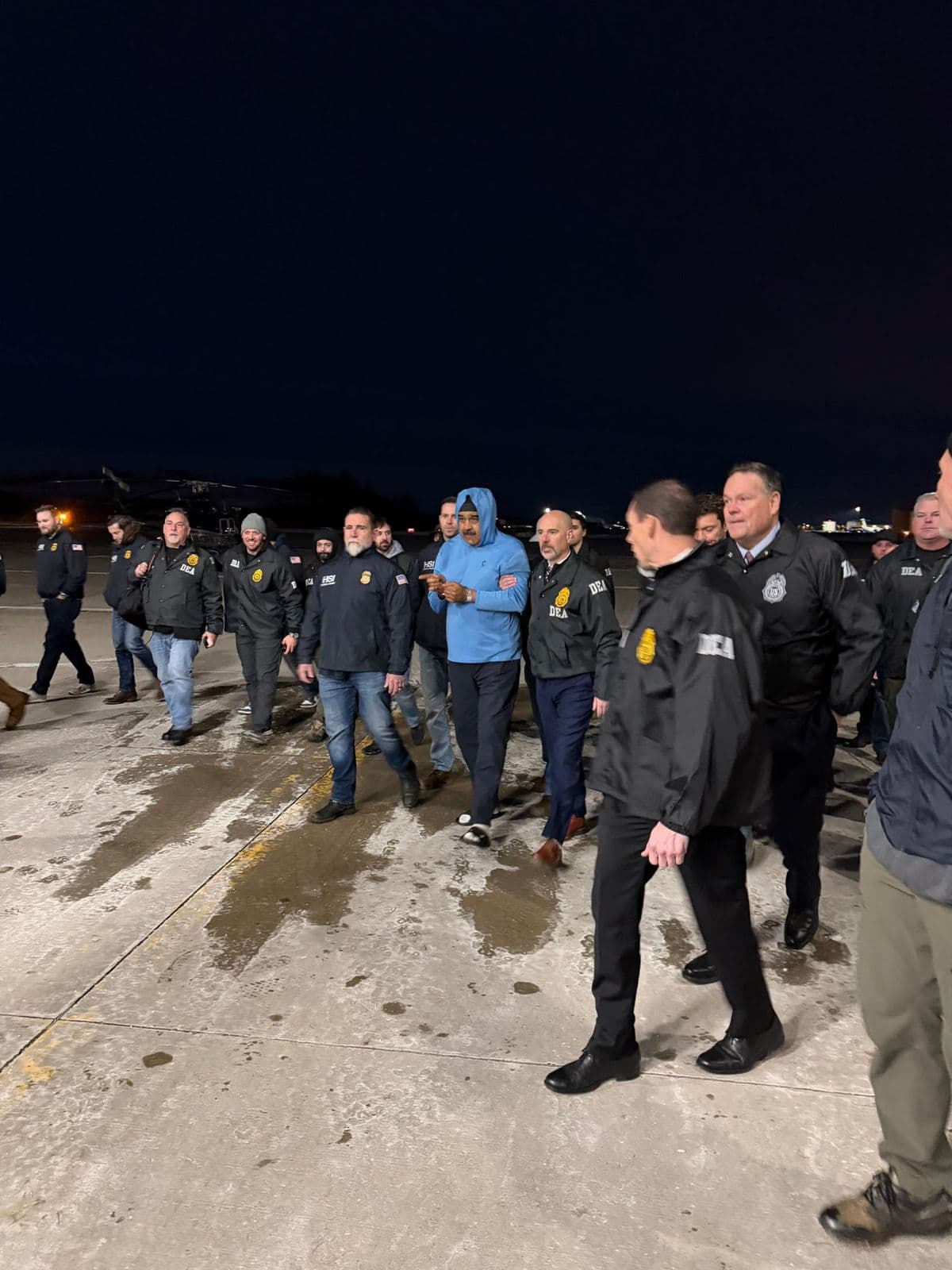
These new sanctions build on a series of previous punitive measures, including recent covert operations reportedly involving Delta Force commandos, which on January 3 severed Cuba’s critical oil supply line. The expanded sanctions arrive as Cuba faces its worst economic challenges in decades, exacerbated by tight energy blockades and shrinking international support.
President Trump has repeatedly signaled intentions to increase pressure on Cuba as part of a broader strategy focused on the Western Hemisphere, specifically after winding down conflicts elsewhere such as potential engagements in the Middle East.
Human Impact and U.S. Strategy
The sanctions ratchet up hardships for ordinary Cubans already struggling under the economic strain of years of embargoes and scarcity. Analysts warn the expanded measures could further restrict access to vital resources, crippling healthcare, energy supplies, and basic goods.
For U.S. audiences, including readers in South Carolina—home to a significant Cuban-American population and a strategic Southeastern coastal state—the developments reflect an urgent pivot in American foreign policy. The new sanctions carry immediate consequences, with ripple effects on trade policies and geopolitical alignments throughout the Caribbean and beyond.
Meanwhile, Cuba’s leadership remains defiant, framing the crisis as a fight against “US imperialism” and rallying public support through mass demonstrations that coincide with May Day celebrations.
What’s Next?
Observers will watch closely for Cuba’s response in the coming days and any U.S. moves to further tighten the embargo or engage militarily. With the economic crisis worsening, the stakes are high for both Havana’s survival and Washington’s strategic ambitions in the Americas.
As this story unfolds, The SC Journal will provide continual updates on the impact of these sanctions on U.S.-Cuba relations and what they mean for the broader region.