NASA’s Ambitious Lunar Base Plans Emerge Amid Lingering Chernobyl Fallout
NASA is moving forward with bold space exploration goals, announcing a $20 billion lunar base and a nuclear-powered interplanetary spacecraft just as the shadow of the 1986 Chernobyl disaster continues to influence nuclear safety worldwide.
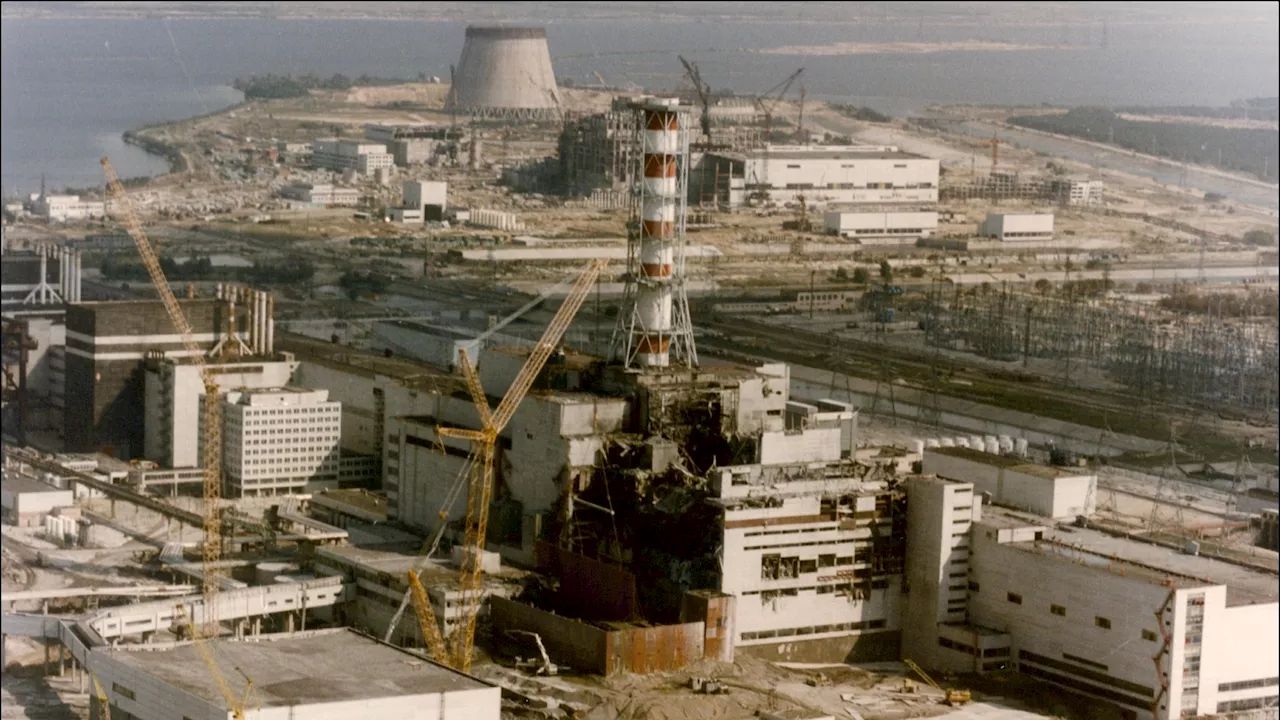
The details come as new reports revisit the shocking chain of events that led to the worst nuclear accident in history—the catastrophic power surge at the Chernobyl Nuclear Power Plant in Ukraine. Operators’ attempts to run a safety test during a power outage simulation spiraled out of control amid missteps, protocol breaches, and grid operator demands from Kyiv to avoid a full shutdown.
Compounding the disaster, an inexperienced night shift crew failed to stabilize reactor power, ultimately removing nearly all control rods in a desperate and fatal effort to arrest plummeting output. This triggered a runaway reaction that exploded the reactor core. The deadly aftermath forced mass evacuations, with immediate deaths and lasting health scars across Eastern Europe and beyond. The molten reactor core—nicknamed The Elephant’s Foot—still emits lethal radiation within the exclusion zone to this day.
Why Chernobyl Still Matters as NASA Sets Bold Spacefront Goals
Despite initial Soviet attempts to conceal the fallout, radiation spikes were detected across Europe, breaking the story globally and reshaping nuclear safety standards. While early assessments downplayed cancer spikes, experts caution on delayed health effects that may yet surface decades later.
This backdrop underscores the stakes of NASA’s current vision: a nuclear-powered spacecraft to venture beyond Earth and a vast lunar habitat expected to serve as a staging ground for Mars and deep space missions. These projects signify a leap forward in clean energy use and long-duration space survival, but also spotlight nuclear technology’s risks and the hard lessons from Chernobyl.
Scientists also spotlight other latest findings shaking the scientific community: the puzzling detection of faster-than-light darkness and the surprising increase in polar bear weights, despite the species being endangered. Meanwhile, human evolution quietly continues, and a meteorite the size of a cannonball recently crashed through a Texas home, stirring national fireball sightings and scientific curiosity.
Human Future and Cosmic Mysteries Capture Attention
A prominent theoretical physicist recently warned that humanity’s survival over the next 50 years is far from certain, citing monumental challenges in unifying fundamental forces of physics. NASA’s Artemis II mission preparation is aggressively underway, highlighting human ambition to push the boundaries of exploration amidst turbulent Earth’s environmental and geopolitical challenges.
Closer to home, the Chernobyl exclusion zone paradoxically serves as a grim but thriving natural sanctuary, harboring rare wildlife in one of the planet’s most radioactive places. This eerie coexistence of devastation and nature sparks new debates on environmental resilience and the cost of technological failures.
What’s Next: Watching NASA’s Space Leap and Chernobyl’s Lingering Echoes
As NASA advances toward launching its moon base and nuclear spacecraft, experts across scientific fields will closely monitor how lessons from Chernobyl influence nuclear protocols and space safety measures. Meanwhile, the US and South Carolina’s growing aerospace industries stand to play key roles in these ventures, offering new jobs and technological growth.
Residents nationwide should stay alert to meteor sightings and evolving environmental studies linked to global changes. The story of Chernobyl remains a crucial reminder of human error’s catastrophic potential—and the enduring pursuit of progress in the face of risk.
Chernobyl survivor account: “We never imagined a simple safety check could spiral into such a disaster, but every lesson we learned now guides safer futures.”
Follow The SC Journal for live updates on space exploration breakthroughs, nuclear safety reforms, and science discoveries shaping the world today.