HAVELTE, Netherlands — The Netherlands is scrambling to arm and train an unprecedented surge in military reservist volunteers following a high-profile enlistment by Queen Maxima and her eldest daughter, Princess Amalia. This surge fuels a national campaign aiming to more than double the country’s military personnel by 2035, signaling urgent action amid escalating global threats.
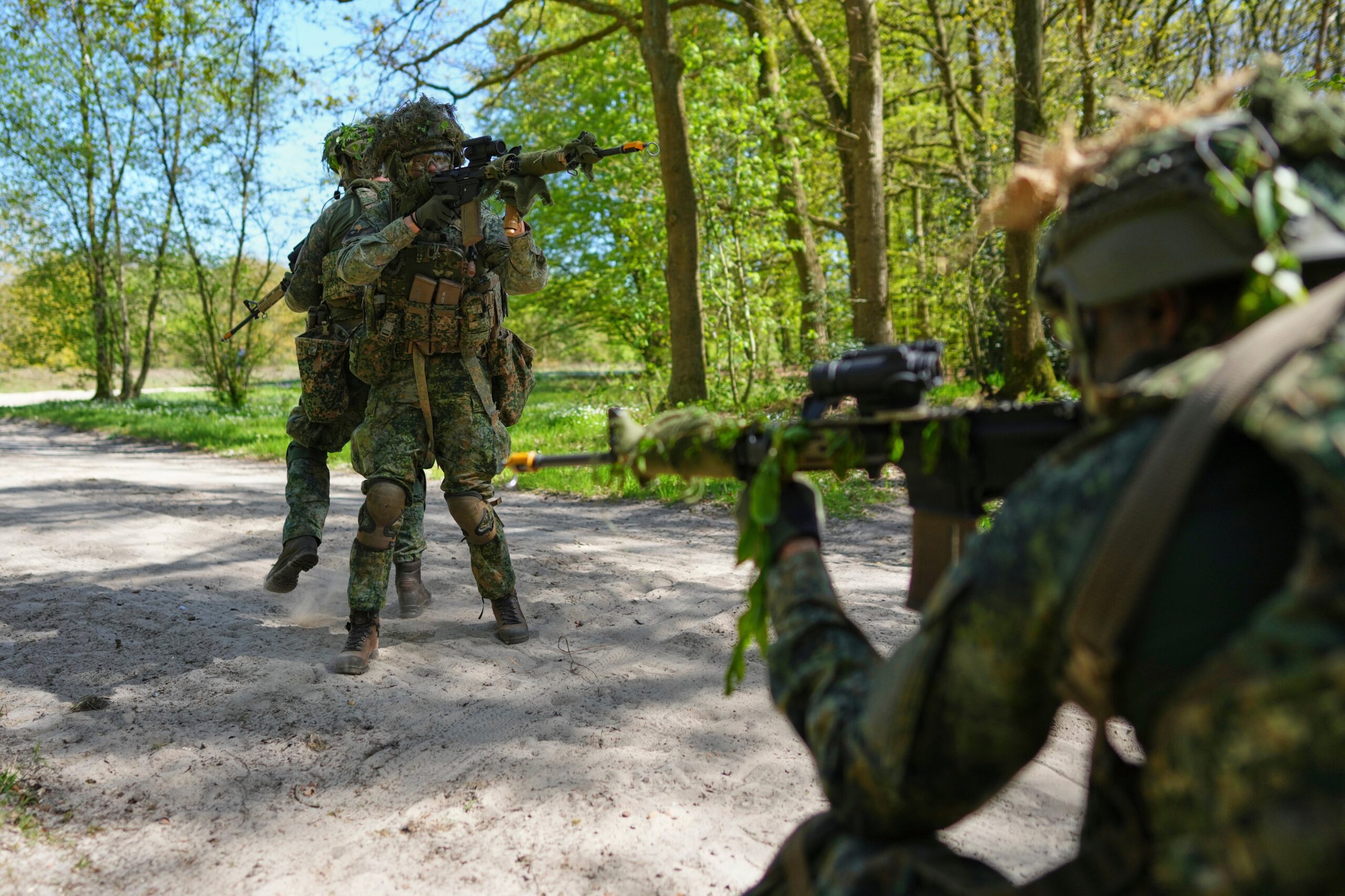
With faces camouflaged and rifles ready, members of the 10th Infantry Battalion Guard Security Corps National Reserve recently conducted exercises in the eastern Dutch forests as part of a weekend training push. These volunteers embody a rapid transformation of the Dutch military, which is accelerating its recruitment to meet growing concerns fueled by Russia’s war in Ukraine and shifting NATO dynamics.
The Dutch government has committed to raising its military size from 80,000 active personnel today to 120,000 by 2035. New reservist applications have skyrocketed, with Defense Ministry officials now managing “a luxury problem” of having more volunteers than resources, State Secretary for Defense Derk Boswijk told The Associated Press.
“We have more applications than we can handle. It’s really inspiring to see how members of our royal family inspired people to join,” Boswijk said. “We have to ramp up housing, uniforms, weapons, and training capacity.”
Currently, the Netherlands counts about 9,000 reservists with an ambitious goal to reach at least 20,000 by 2030. Official recruiting efforts, combined with the so-called “Amalia effect” — a spike in interest after the princess and queen’s visible military service — have created a surge that government leaders are racing to support.
This revival of the reserve force comes amid Europe-wide military expansions in response to Russian aggression and doubts about the NATO alliance’s future support from the United States. Recruiters emphasize a new focus on infantry skills and rapid mobility — core elements in NATO’s plans to counter potential future Russian moves in Europe.
A corporal in the reserve battalion explained the shift clearly: “When I first joined, there was almost no risk … but now the global security outlook is more volatile and unpredictable.” She added, “We are here to defend our country and to keep the threat down.”
New recruits include a wide cross-section of society, reflecting the Defense Ministry’s evolving approach to military readiness. “Threats have expanded from traditional battlegrounds into cyberspace,” a senior official said. “We need all kinds of skills—people wearing hoodies, having blue hair, who can game perfectly.”
The renewed sense of urgency resonates with many Dutch citizens driven by historical lessons. Lisette den Heijer, a volunteer recruit, cited her school lessons about the rapid German occupation of the Netherlands in World War II as personal motivation not to let history repeat itself.
Unlike countries such as Sweden, Finland, Latvia, and Denmark that maintain or reintroduced conscription in response to Russian hostility, the Netherlands continues to rely on voluntary service with its draft suspended since 1997. Officials see the surge in volunteers as a significant win for an all-volunteer force, reflecting growing public awareness of defense needs.
Across Europe, countries are also adjusting recruitment models. Germany plans to enhance pay and flexibility for short-term service, while France is launching a new program aiming to attract up to 50,000 volunteers per year by 2035 for domestic and overseas assignments.
Back in the forests of eastern Netherlands, reservists wrap up intense weekend drills by sharing smiles and high-fives after a successful mission simulation. Though part-time and typically limited to domestic duties, these volunteers represent a frontline bulwark for Dutch security in a rapidly changing geopolitical landscape.
The ripple effects of the Netherlands’ recruitment surge underscore a vital global trend: Western nations brace for heightened military readiness amid uncertain times. For U.S. readers, this illustrates the shifting defense dynamics in Europe and underscores NATO’s evolving role—an alliance deeply relevant to South Carolina’s military communities and American strategic interests worldwide.
The race is now on to fully equip and train the swelling ranks as threats loom larger and the need for a ready, capable defense force grows sharper every day.