Legendary documentary filmmaker Barbara Kopple, known for her Oscar-winning portraits of coal miners and meatpackers, is now capturing the fierce labor battles unfolding at Amazon and UPS. Kopple, a trailblazer in chronicling America’s working class, is diving deep into the modern gig economy, exposing exploitative labor conditions and fractured union struggles in real time.
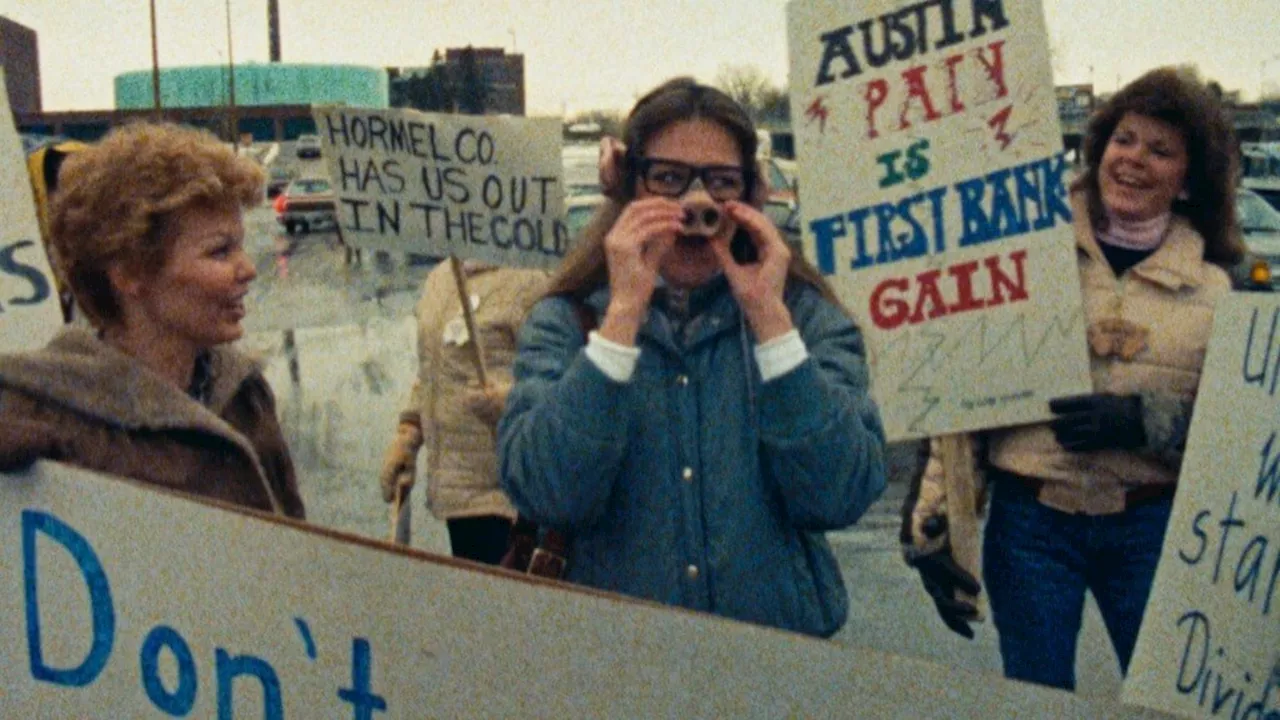
Following her breakthrough 1976 documentary Harlan County, USA, where she embedded herself with striking Kentucky coal miners, Kopple spent years immersing deeply in labor communities to tell their raw stories. Her 1990 Oscar-winning film American Dream, chronicling the bitter Hormel meatpacking strike in Austin, Minnesota, revealed the fractures within union ranks and corporate exploitation under Reagan-era policies — themes still painfully relevant today.
Kopple Targets Amazon’s Independent Contractors and Union Battles
Now, Kopple is filming a new documentary focusing on Amazon’s delivery workers’ harsh realities, the Teamsters union’s ongoing fight, and the complex world of “deliveristas” — independent contractors who face dangerous working conditions without benefits or protections. Unlike traditional employees, these workers buy and maintain their own vehicles with no health benefits and carry all the risks themselves. Kopple emphasizes how Amazon avoids hiring these workers directly but exerts control by firing them, creating a devastating power imbalance.
“Amazon uses independent workers who are totally on their own,” Kopple explains. “If something happens to them, they’re responsible — no health benefits, no nothing.” Meanwhile, even long-established unions like the Teamsters are locked in battles as companies work around contracts, deepening worker precarity despite decades of union presence.
Building Trust With Workers: Kopple’s Signature Approach
Kopple’s filmmaking relies on living within the communities she films, often spending years to earn trust and capture the full complexity of labor struggles. From Harlan County miners to Minnesota meatpackers, Kopple exposed how personal loyalties clash with union solidarity and economic survival. She recalls moments like Miners’ brother versus brother clashes and union members forced to choose between picket lines and family support.
“One of them just says, ‘My wife has a job. My son has a job… then he just puts his hands over his face and cries.’”
These deeply human stories reveal the emotional toll of fracturing labor movements, where “you’re either for the union or against the union” no longer captures the nuanced realities workers face.
The Urgency of Labor Stories in Today’s Anti-Union Climate
Kopple draws parallels between today’s political climate and the Reagan era, highlighting renewed assaults on unions and social issue funding, including cuts to arts grants that have historically supported documentary projects.
She recounts the financial hardships behind-the-scenes, including moments when her electricity was cut off during filming and funding for socially conscious documentaries vanished. Yet, Kopple insists that continuing to tell these stories matters now more than ever.
“If you’re able to finish the films, hopefully people will see them. You’ve done it and nobody can erase it.”
For South Carolina and across the US, where labor unrest and union debates continue to shape the economic landscape, Kopple’s upcoming film promises a frontline perspective on the gig economy’s newest battlegrounds. As companies push to maximize profits amid worker vulnerabilities fueled by outsourcing and independent contracting, the fight for fair wages and protections is as urgent as ever.
What’s next: Kopple’s Amazon documentary will shed light on these evolving labor dynamics, offering a powerful tool for understanding the modern workforce crisis and inspiring renewed activism nationwide.