UK Airlines Gain New Powers to Cancel Flights Weeks in Advance Over Fuel Concerns
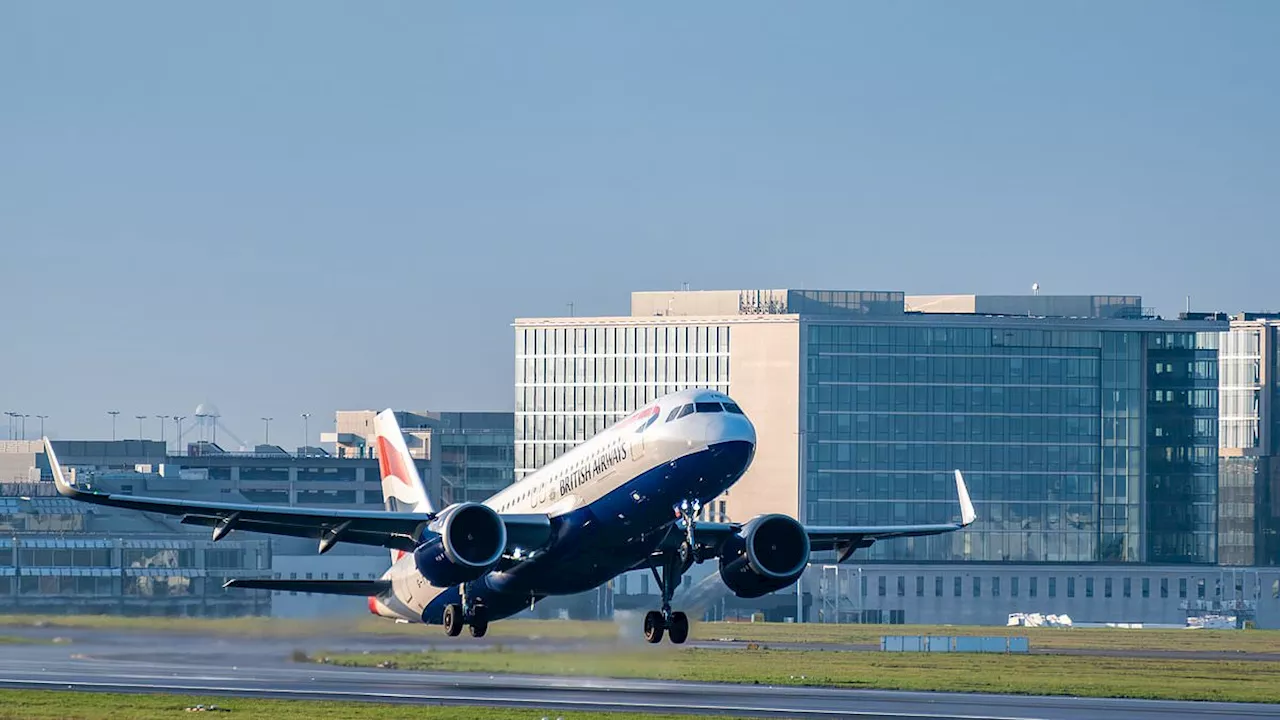
The UK government has granted airlines the unprecedented ability to cancel flights weeks ahead to tackle potential jet fuel shortages stemming from escalating tensions with Iran and disruptions around the Strait of Hormuz. This urgent move aims to consolidate flights and maximize fuel efficiency during the crucial summer travel season, but it raises serious concerns about passenger disruptions and the weakening of traveler rights.
Transport Secretary Heidi Alexander announced that although the UK is currently not facing immediate fuel supply problems, the new powers are a critical preemptive step. Airlines will now be able to finalize flight schedules earlier, reducing last-minute cancellations and chaos at airports during peak months like June and July. Under the plan, passengers booked on specific flights may be reassigned to alternate services on the same day and route to save fuel and cut down on nearly empty planes.
However, opposition voices and consumer groups swiftly criticized the plan. Richard Holden, the shadow transport secretary, warned this exposes Britain’s vulnerability to fuel supply shocks that a more energy-secure nation would avoid. Consumer watchdog Which? cautioned that the new rules unfairly tip the balance in favor of airlines, potentially undermining passenger protections, especially those related to compensation and cancellation notifications.
Fuel Costs and Geopolitical Instability Drive Airline Cuts
The fuel shortage fears are underscored by concrete airline actions overseas, notably by Air India. The carrier recently announced it will cut 100 flights for the summer due to soaring jet fuel prices and airspace restrictions caused by the persistent closure of the Strait of Hormuz. CEO Campbell Wilson cited these rising costs and geopolitical complications as major factors making many international routes financially unsustainable, with plans to continue scaling back in June and July.
This volatile fuel supply environment highlights a global aviation challenge directly affecting UK travelers and the broader transatlantic air industry. The contingency plan by the UK government is designed to shield airlines and passengers from abrupt disruptions but places the burden of flexibility largely on travelers.
Passenger Rights and Airline Flexibility in Tension
The new legislation officially empowers airlines to proactively cancel and restructure flights with advance notice—a practice airlines can already do but now on a larger scale and earlier timeline. The Department for Transport insists this will provide greater schedule certainty and less last-minute upheaval in airports. Airlines will be expected to offer refunds or suitable alternatives when cancellations occur.
Still, critics argue the changes could lead to more arbitrary reshuffling of passengers, resulting in itinerary changes that disrupt travel plans without adequate compensation. This comes at a sensitive time when consumers expect reliable summer travel options following pandemic-era disruptions.
The coming summer months will be a critical test of the plan’s effectiveness. Airlines must balance fuel efficiency with customer experience amid an unpredictable geopolitical landscape. For South Carolina and US travelers, disruptions in global fuel supplies and the resulting flight cancellations overseas could signal wider delays and increased airfare volatility at home.
What’s Next for Travelers and Airlines?
As tensions persist around the Strait of Hormuz and no immediate resolution exists, the risk of fuel supply problems looms large. UK authorities and airlines will closely monitor the situation, adjusting schedules to prevent sudden cancellations wherever possible.
Travelers are advised to stay alert for airline communications, consider travel insurance that covers cancellations, and remain flexible with plans this summer. Airlines in the US and beyond may adopt similar contingency strategies if fuel disruptions escalate.
While the UK government promises smoother summer travel, the unfolding fuel crisis signals a potentially turbulent season ahead for global air travel, with impacts reverberating from international hubs to airports across the United States.
Heidi Alexander, UK Transport Secretary: “No immediate fuel issues exist, but proactive preparation is crucial to avoid disruptions during peak travel.”
Richard Holden, Shadow Transport Secretary: “This plan exposes Britain’s vulnerabilities and risks shifting the burden unfairly onto travelers.”