US Fighter Jet Strikes Iranian Oil Tanker Amid Rising Tensions
The U.S. military fired on an Iranian-flagged oil tanker today after the vessel attempted to breach the U.S. naval blockade on Iranian ports, escalating tensions as President Donald Trump presses Tehran for a swift end to the ongoing two-month war.
U.S. Central Command confirmed that an American fighter jet disabled the tanker’s rudder, preventing its passage through waters controlled by the U.S. This aggressive move underscores Washington’s determination to maintain control over the Strait of Hormuz, a strategic chokepoint where roughly one-fifth of the world’s oil passes daily.
President Trump, amplifying pressure via social media, threatened a fresh wave of bombings if Iran does not agree to reopen the Strait. His hardline stance coincides with hopeful signals that diplomatic talks may finally yield a deal, potentially ending the conflict that has rattled global markets and shipping lanes.
Economic Ripples: Oil Prices Drop, Stocks Surge on Deal Hopes
Global markets responded instantly. Oil prices tumbled below $102 per barrel for Brent crude amid optimism about reopening the Strait of Hormuz. American stock indexes climbed sharply — with the S&P 500 rising 1.1% and the Dow Jones adding 520 points — as investors anticipate stabilization in oil transport and easing geopolitical risk.
Despite the gains, analysts caution that the situation remains volatile. The war and blockade have already kept hundreds of ships stranded in the Persian Gulf, with French and other international vessels suffering damage while trying to pass through the tense waters.
South Carolina and Southern States Move Fast on Redistricting
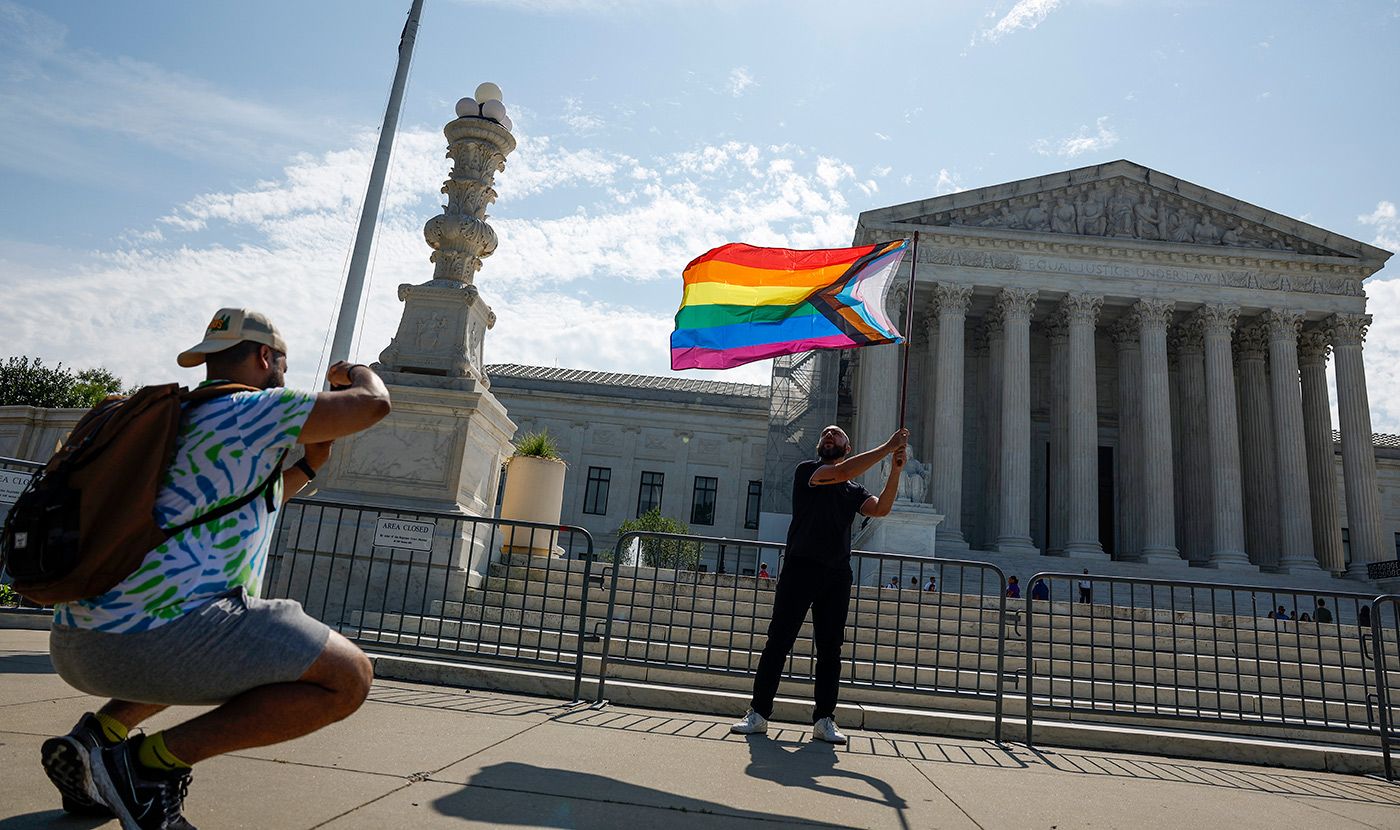
On the domestic front, South Carolina Republicans are accelerating redistricting efforts following a recent U.S. Supreme Court ruling affecting majority-Black congressional districts. Lawmakers aim to redraw districts, including one long held by a Black Democratic incumbent, a move that could shift political power in the state and the broader South.
Nearby states including Alabama, Tennessee, and Louisiana face similar battles as Democrats and civil rights groups mount legal challenges against these efforts.
FBI Raids Virginia Senate Leader’s Office Amid Corruption Probe
The FBI executed a court-authorized search warrant in Virginia at the office of Senate leader L. Louise Lucas, linked to a corruption investigation. The probe unfolds amid increased scrutiny of political figures during the heightened tense climate surrounding redistricting and governance.
Other Urgent Developments: Disease Outbreak and Cultural Loss
Meanwhile, a hantavirus outbreak aboard an Atlantic cruise ship departing Cape Verde has resulted in eight cases and three deaths, prompting evacuation of infected patients to the Netherlands. The World Health Organization is investigating, with early clues suggesting possible origins linked to bird-watching activities before boarding. Argentina, which is experiencing a hantavirus surge, remains under scrutiny as the outbreak’s source.
In media news, CNN founder Ted Turner passed away at age 87. Turner revolutionized television news with the creation of the first 24-hour cable news network and was known for his philanthropy and southern roots, a legacy acknowledged by President Trump as he hailed Turner as “one of the all-time greats.”
What to Watch Next
The most critical developments will focus on whether diplomatic negotiations secure a formal agreement with Iran to unfreeze the Strait of Hormuz and end the war. Shipping companies, still stuck with costly delays, are watching closely as Washington attempts to balance military pressure with diplomacy.
South Carolina’s political landscape may also see renewed changes depending on the Supreme Court ruling’s impact and ongoing redistricting battles this year.
For residents of South Carolina and across the United States, the reopening of global oil routes means potential relief at the pump, while the unfolding political and health developments require close attention in the coming days.
U.S. Central Command: “The American action was necessary to enforce the naval blockade and ensure freedom of navigation through international waters.”