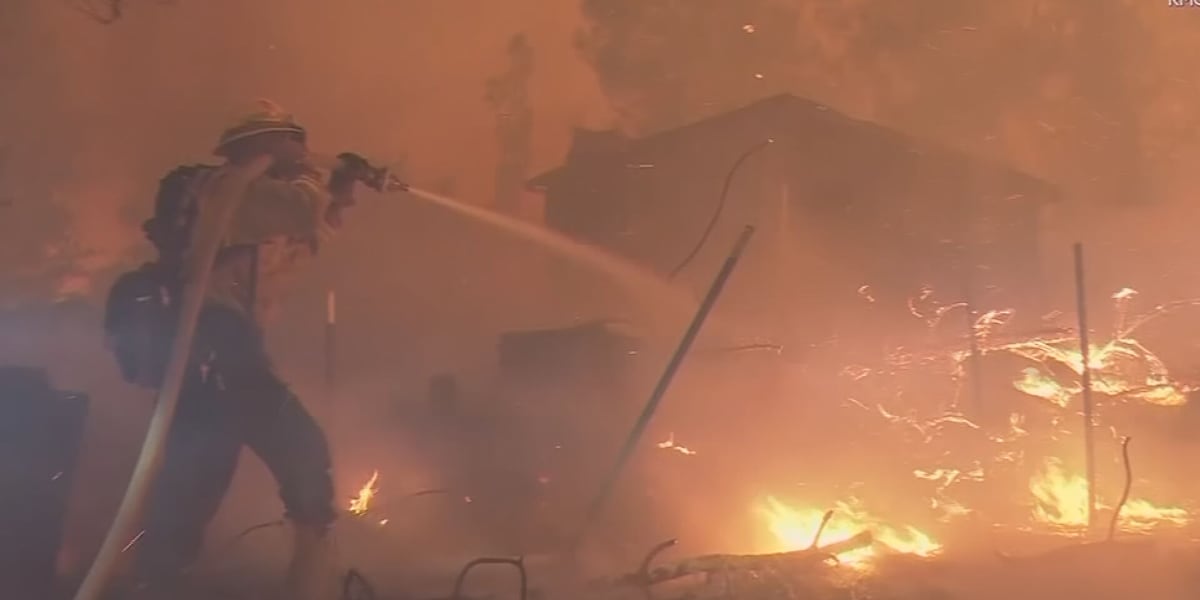
The U.S. Department of Agriculture is accelerating wildfire preparedness nationwide as the 2026 fire season approaches, following a directive from Agriculture Secretary Brooke Rollins. This urgent move aims to bolster communities’ defenses and improve firefighter safety through enhanced training, staffing, and operational coordination.
In a recent memo, Secretary Rollins ordered the Forest Service to maintain personnel readiness at peak levels and expand staffing during the busiest fire periods. The memo also calls for streamlining contracts with more than 2,500 vendors to improve support and rapid response capacity. This initiative builds on wildfire strategies introduced earlier and emphasizes protecting both the public and frontline firefighters as the department’s top priority.
Preparedness Surge Backed by Large-Scale Resources
The USDA is entering the 2026 season with a fully coordinated firefighting force, according to department officials. The Forest Service can deploy over 28,000 responders, backed by a vast federal aviation fleet that includes helicopters and airtankers. These assets will allow for faster containment and mitigation across vulnerable regions.
Forest Service Chief Tom Schultz stressed that wildfire response is a shared responsibility involving federal, state, and local agencies.
“Our crews are ready to protect communities and support firefighters on the front lines,”
Schultz said, highlighting the ongoing efforts to improve interagency collaboration.
Focus on Training, Hazard Tracking, and Prescribed Burns
The USDA memo highlights key priorities such as keeping personnel fully trained and enhancing tracking of hazardous fuels. A significant push is underway to broaden the use of prescribed burns, a proven tool to reduce wildfire risk by safely clearing excess vegetation under controlled conditions. This strategy requires tight coordination across agencies, which officials say is now stronger than ever.
The department’s latest reforms have already advanced forest management and wildfire response capabilities nationwide. USDA leaders emphasize that these steps will increase safety for firefighters while shielding more communities from devastating fires.
What South Carolina and Nationally Can Expect
While much of the immediate focus remains on wildfire hotspots in the western U.S., the USDA’s enhanced readiness measures are nationally significant. States like South Carolina, where fire risk can increase during dry spells, benefit indirectly through improved federal resources and national response coordination.
Experts warn that with climate change driving longer fire seasons and more extreme conditions, proactive measures taken now are critical to avoiding catastrophic impacts when warmer months arrive.
As the 2026 wildfire season looms, the USDA’s urgent push signals a clear message: the threat of wildfire remains pressing, and nationwide preparedness is essential to protect lives and livelihoods.
Stay tuned to The SC Journal for ongoing wildfire updates and safety tips as this story develops.