URGENT UPDATE: A significant shift is unfolding in New York City’s Democratic congressional delegation, with multiple prominent members announcing retirements or facing fierce primary challenges ahead of the 2026 midterm elections. This trend signals a potential generational change as younger, left-leaning candidates seek to reshape the political landscape.
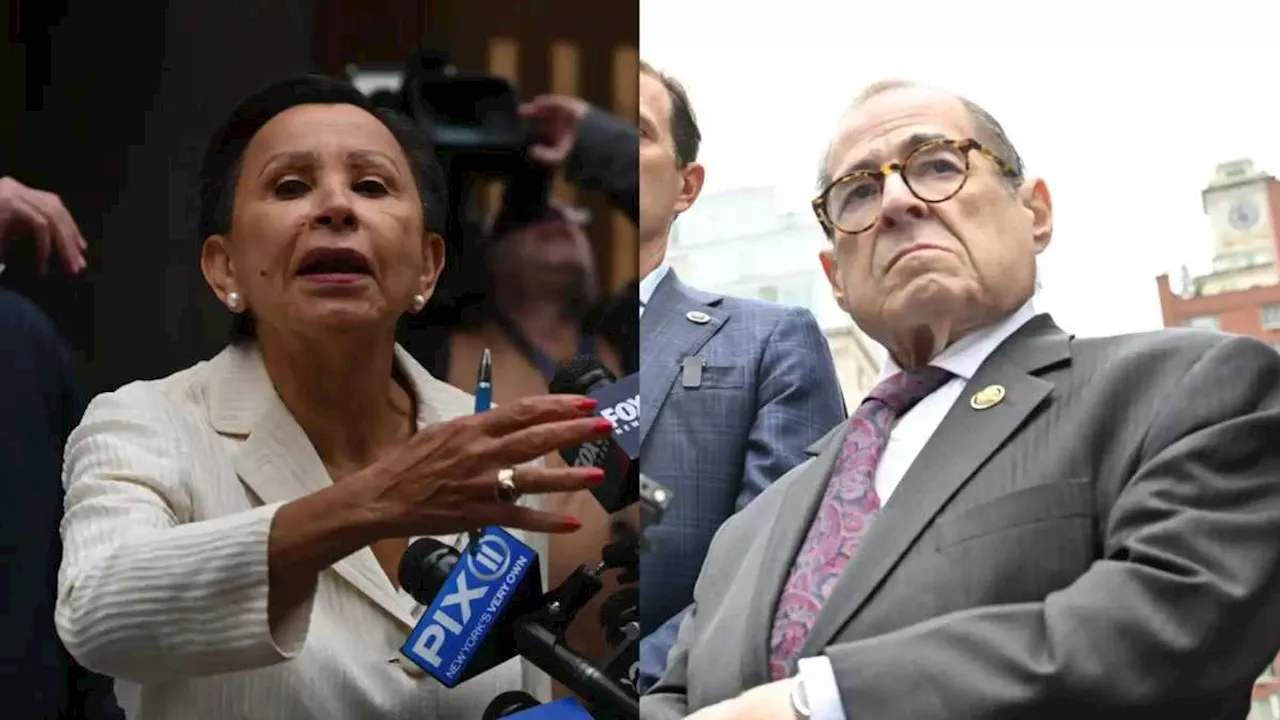
New reports confirm that U.S. Rep. Nydia Velázquez, representing parts of north Brooklyn and western Queens, is stepping aside, joining fellow veteran Democrat Jerry Nadler, who has also announced his retirement. Both leaders have served in Congress for over 30 years, with Nadler at the age of 74 and Velázquez at 72. Their departures open the door for a new wave of political voices, reflecting a broader pattern of change within the party.
Progressive political strategist Camille Rivera emphasized that age is a pivotal factor in this transition. She noted that many older incumbents are recognizing the need to pass the torch to a younger generation. “They have created a good bench in Democratic strongholds,” Rivera stated. “They believe it’s time for new leaders to step forward.”
Velázquez expressed her sentiments on stepping aside, stating, “I love this work and my district, but I believe now is the right moment to allow a new generation of leaders to emerge.” Her decision echoes a growing sentiment among older lawmakers as they mentor younger candidates like Micah Lasher, who is vying to replace Nadler.
The ripple effects of these retirements could reshape the 2026 elections. Candidates like Brooklyn Borough President Antonio Reynoso and City Council Members Jennifer Gutiérrez and Lincoln Restler are poised to take up the mantle, signaling a shift towards progressive policies and representation.
Political analysts note that these changes come at a time when the Democratic Party grapples with its identity and future direction, particularly in the wake of former President Donald Trump’s election in 2024. The urgency for the party to attract younger voters has never been more critical, as many see their interests underrepresented by established politicians.
John Mollenkopf, a political scientist, speculated on the challenging environment for long-serving Democrats. “Why would you want to persist in a job where all your past efforts have been stymied?” he questioned, highlighting the difficulties faced by Democrats in the current political climate.
As the landscape evolves, challenges to incumbents from younger candidates are increasingly seen as a positive force for democracy. Mollenkopf remarked that these contests could stimulate vital debates about the party’s direction and responsiveness to its constituents’ needs.
The Democratic Party’s internal upheaval reflects a broader national trend, with younger progressives driven to enact change at both local and national levels. This shift presents an opportunity to realign the party with the aspirations of younger voters, who have shown an appetite for more progressive representation.
What’s next? The political arena in NYC is set for a dramatic transformation as these retirements and challenges unfold. With the primaries fast approaching, all eyes will be on how these emerging leaders will shape the future of New York politics and the Democratic Party as a whole.
Stay tuned for more updates as this story develops.