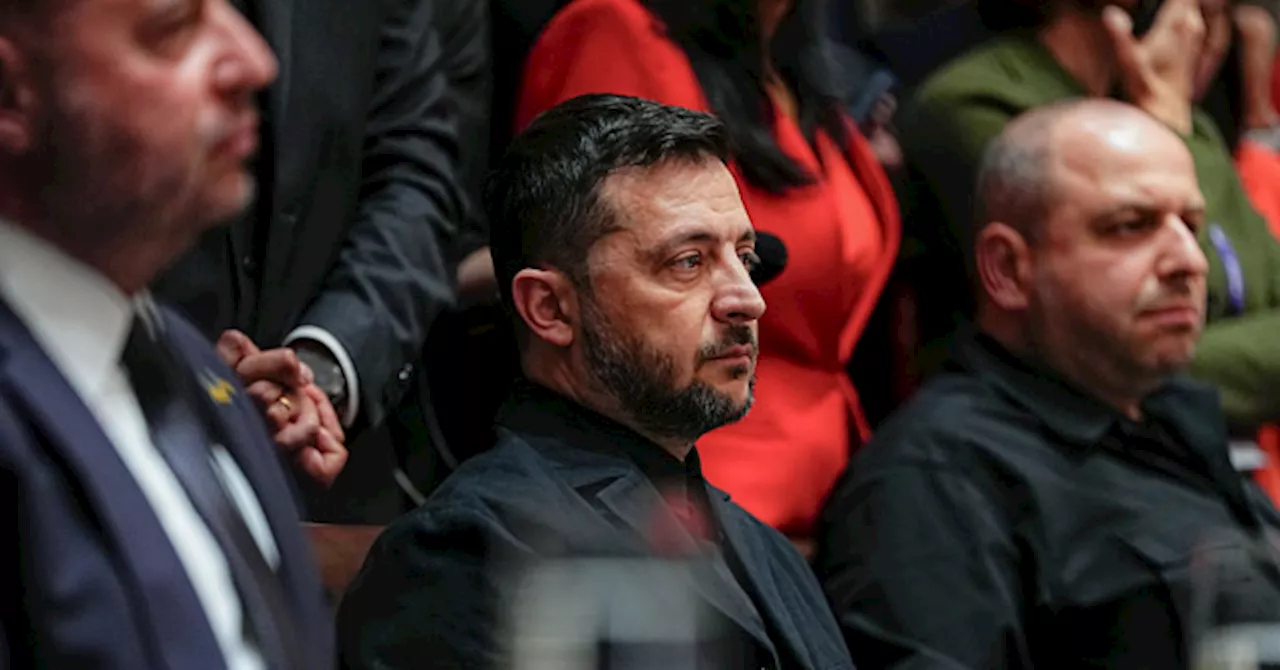
Ukrainian President Volodymyr Zelensky has rejected a proposed peace plan from the United States due to concerns regarding the legal recognition of territory captured by Russia during the ongoing conflict. Zelensky emphasized that accepting terms which validate Russia’s territorial gains would compromise Ukraine’s sovereignty and territorial integrity.
On March 4, 2024, Zelensky articulated his main objection to the 28-point peace initiative, stating, “Putin wants legal recognition of what he has stolen, to break the principle of territorial integrity and sovereignty.” He warned that allowing such recognition would set a dangerous precedent, potentially reviving the practice of conquest globally.
Zelensky is currently working closely with U.S. officials and European partners to refine the peace plan. He expressed satisfaction that sensitive issues, such as utilizing frozen Russian assets to aid Ukraine’s reconstruction, remain under consideration. “Over the last 96 hours, there’s been extensive engagement with the Ukrainian side,” he noted, reflecting on discussions involving key stakeholders across both legislative and executive branches in Ukraine.
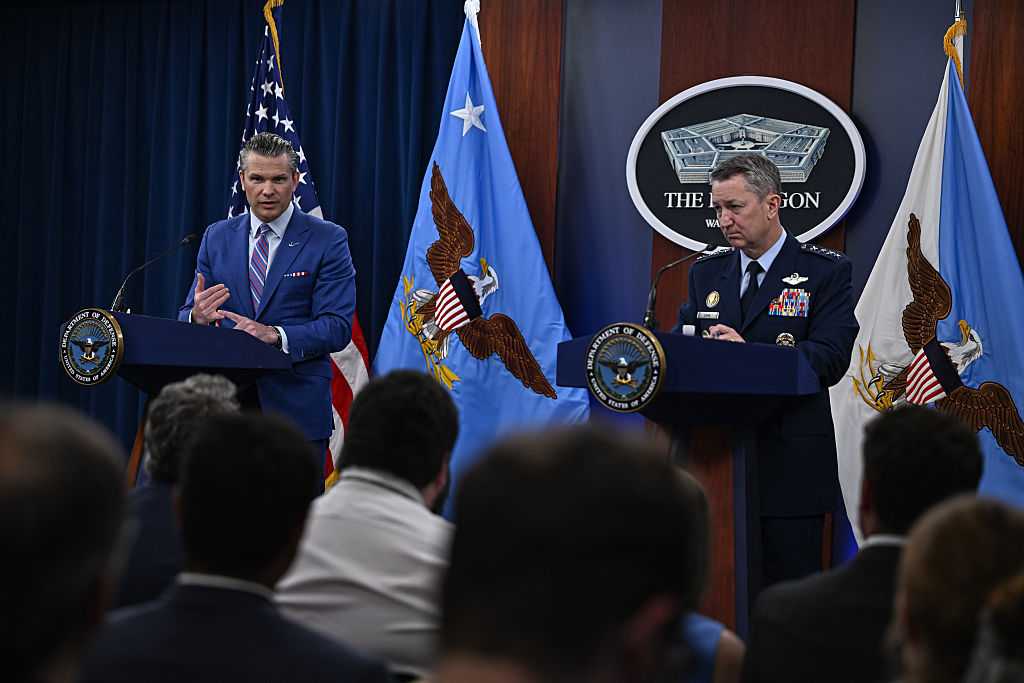
Amid these discussions, U.S. officials, including Secretary of the Army, have been actively engaging with Ukrainian counterparts in Kyiv. Senator Marco Rubio highlighted the complexities of the negotiations, stating that final agreements would require consensus among the presidents involved. He noted that outstanding issues primarily concern the roles of the European Union and NATO in providing security guarantees to Ukraine.
The peace discussions are unfolding as Ukraine continues to face military pressure from Russia. Rubio emphasized that achieving a lasting resolution to the conflict hinges on ensuring Ukraine feels secure and unthreatened by future invasions. He also pointed out that some issues are merely semantic, while others necessitate higher-level consultations and further deliberation.
In a related development, the peace plan has undergone revisions, with its points reduced from 26 to 19 as of March 4. Notably, discussions are currently taking place in Geneva, aiming to secure Ukraine’s agreement on a revised plan before presenting it to Russian officials.
While the peace talks have not yet included direct Russian participation, Dmitry Peskov, a spokesperson for President Vladimir Putin, indicated that no meetings between U.S. and Russian officials are scheduled for the upcoming week. However, he affirmed that Putin remains open to discussions.
Zelensky’s rejection of the U.S. peace plan underscores the delicate balance of international relations in this protracted conflict. The ongoing negotiations reflect a broader concern for territorial integrity and the international legal framework surrounding territorial disputes. As discussions continue, the international community watches closely, aware that the implications of these negotiations extend beyond Ukraine’s borders.