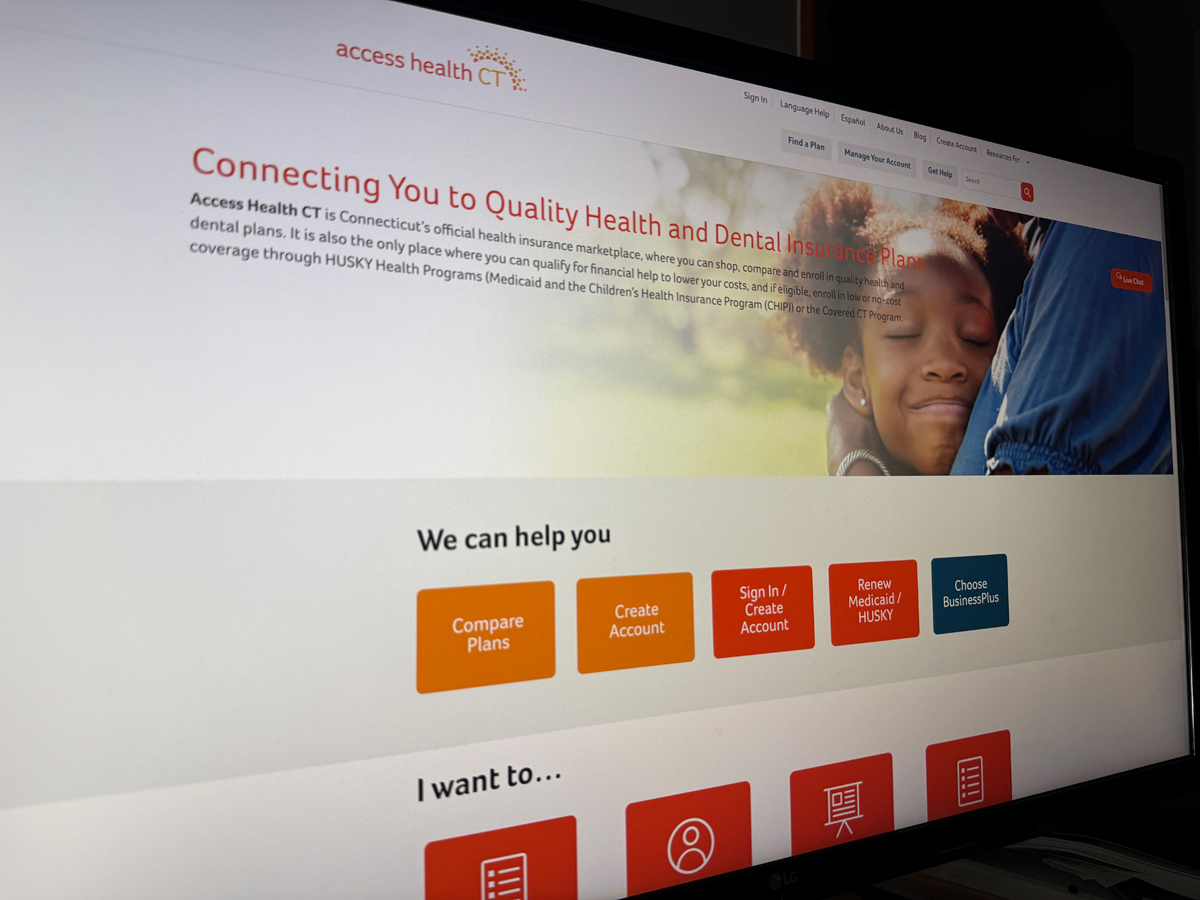
As the enrollment deadline approaches for Affordable Care Act (ACA) health care plans, many Americans are facing higher costs. Health insurance prices under the ACA increased in 2026 due to lawmakers failing to renew enhanced cost savings. This change has significant implications for tens of thousands of individuals, including residents like Jonathan Silberstein from Long Island, who depend on these plans for coverage.
Insurance broker James Donnelley, owner of Safe Haven Insurance Agency, reports that for some clients, monthly premiums have surged by over $100. He emphasizes the impact of these rising costs on families, saying, “Can they pay for soccer for their children, can they pay for that extra curricular activity, because that’s a monthly payment that’s now going up.”
The deadline for enrolling in or renewing ACA coverage for the rest of the year is Thursday. Individuals who qualify can still enroll throughout the year if they experience a qualifying life event, such as a sudden loss of income, the birth of a child, or relocation. Donnelley explains these special election periods provide critical flexibility for those who need it.
As the situation unfolds, the future of ACA subsidies now lies with the Senate. The ongoing discussions are crucial for determining whether additional support will be provided to mitigate the financial burden on enrollees.
Enrollment trends reveal that while some areas are seeing a decline, others are experiencing growth. For instance, Texas reported a surge in ACA enrollment, with over 4.11 million Texans selecting a plan as of January 3, 2026. This figure exceeds the previous year’s total, indicating a robust marketplace despite the expiration of federal subsidies that previously helped lower premium costs.
Conversely, recent data shows a decline in national enrollment. Approximately 800,000 fewer Americans signed up for ACA plans compared to the previous year, marking a 3.5% drop in participation. This decrease is attributed to the rising costs associated with the expiration of enhanced tax credits, raising concerns about the affordability of health insurance for many individuals.
The current political landscape is further complicating the issue, with ongoing debates in Congress regarding the future of ACA subsidies. As enrollees begin to receive their first bills, the impact of these changes on affordability remains a pressing concern.
In conclusion, the approaching enrollment deadline for ACA health care plans coincides with rising costs, prompting many individuals to reassess their health insurance options. With significant changes on the horizon, both consumers and lawmakers are closely monitoring developments that could affect the future of health care coverage in the United States.