In San Pedro Manrique, Spain, the annual firewalking ritual attracts thousands of spectators, creating an electrifying atmosphere as participants walk across glowing coals. This event, held every June, isn’t just a display of bravery; it embodies a profound sense of community. Observers and participants alike report a shared feeling of unity, described by cognitive anthropologist Dimitris Xygalatas from the University of Connecticut as a moment of “collective effervescence.” This sensation occurs when individuals engage in meaningful activities that evoke strong positive emotions.
Collective effervescence manifests in various forms, from chanting at a sports event to experiencing goosebumps at a concert. According to Xygalatas, who authored the book “Rituals: How Seemingly Senseless Acts Make Life Worth Living,” these shared experiences create a unique emotional bond among participants. “When people engage together, they create a feeling of togetherness that is hard to describe,” he noted.
Understanding ‘We Mode’ and Its Benefits
Recently, the concept of collective joy has been coined as “we mode,” a term popularized by health psychologist Kelly McGonigal of Stanford University. She emphasizes that this state can enhance one’s life significantly. “When you are connected through shared positive emotion, expressions often act as this aerosolized joy,” McGonigal explained. “You catch other people’s smiles and laughter, making it contagious.”
The idea of physiological synchrony, which McGonigal refers to as collective joy, traces back over a century to French sociologist Emile Durkheim. His studies of aboriginal Australian societies highlighted the concept of cultural effervescence. Xygalatas has built on this foundation by examining how physiological responses align during shared experiences. He has employed heart monitors and facial recognition technology to analyze these interactions, discovering that fans at live sporting events exhibit synchronized heart rates and increased endorphin levels compared to those watching from home.
“Basic human connections are essential for psychological well-being,” Xygalatas observed. “When we share emotions, it triggers mechanisms in our brains that fulfill our need for synchrony.”
Activities That Foster Connection
To tap into the “we mode,” McGonigal suggests engaging in activities that are in-person and interactive. The pandemic highlighted the challenges of replicating these experiences online. “During COVID-19, people found that virtual interactions lacked the physical presence needed for shared emotional states,” she stated.
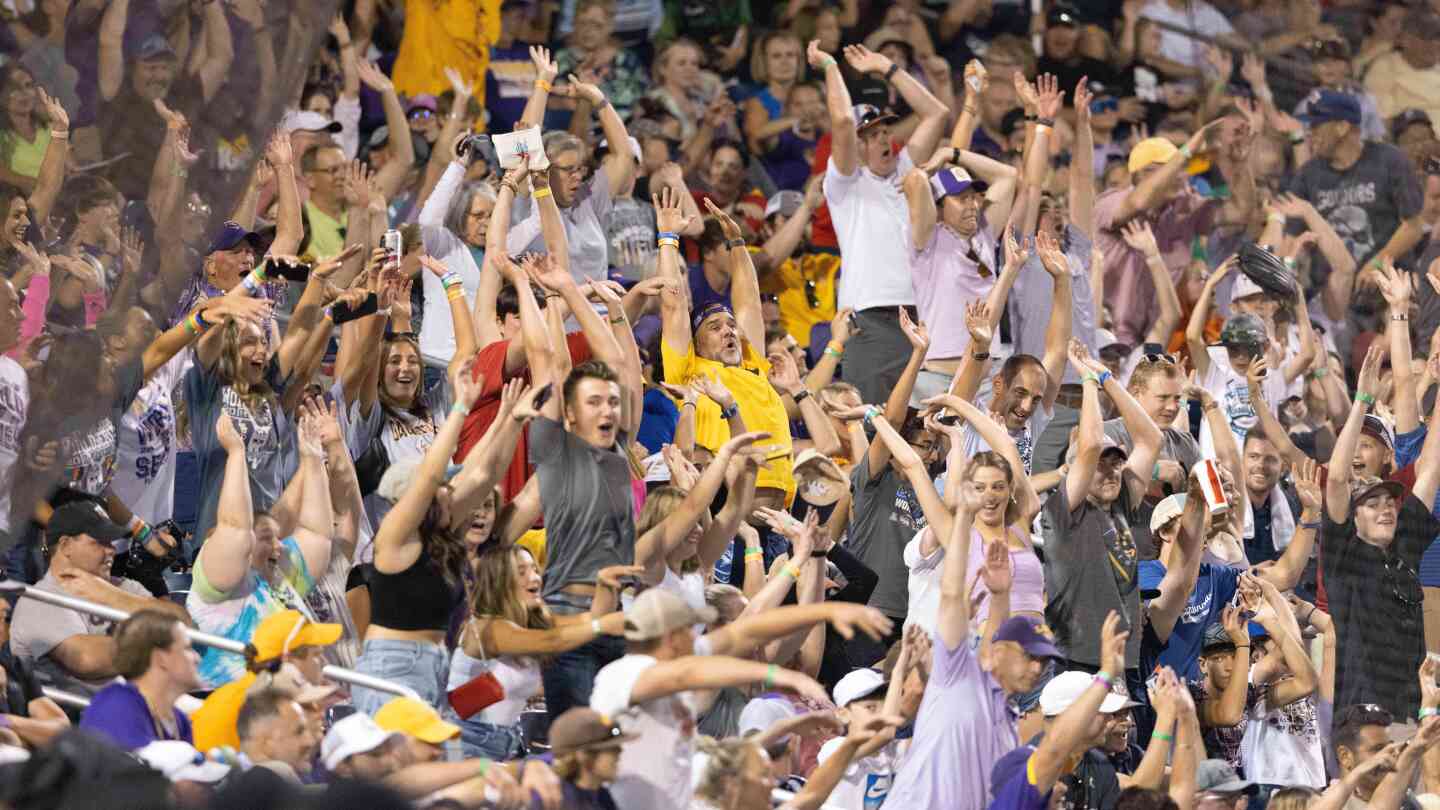
Engaging in activities that involve movement and noise enhances the experience. Whether it’s cheering at a sporting event or dancing at a festival, participation is key. “You’ve got to do the wave at the sporting event,” McGonigal advised, emphasizing the importance of active involvement. Passive observation does not yield the same emotional benefits.
By embracing collective rituals and shared activities, individuals can cultivate a sense of belonging and joy that enhances overall well-being. The firewalking event in San Pedro Manrique serves as a powerful reminder of how communal experiences can ignite profound feelings of joy and connection among people.