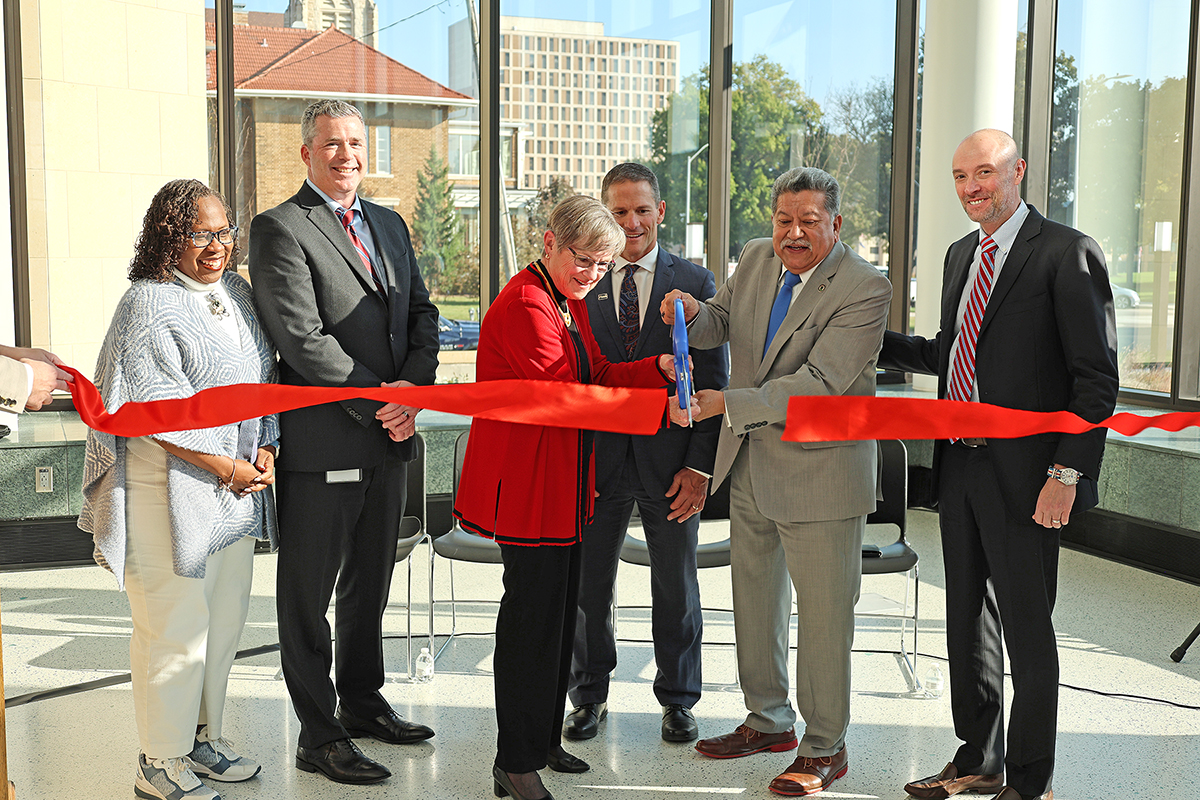
Governor Laura Kelly hosted a town hall meeting in Leawood, Kansas, on March 15, 2024, to discuss budget priorities for the upcoming 2026 People’s Budget. Joined by Budget Director Adam Proffitt, the session aimed to foster direct dialogue with residents about the state’s fiscal direction. Unlike typical budget discussions filled with technical jargon, this gathering focused on transparency and accessibility, reflecting Kelly’s commitment to engaging with Kansans.
The event, part of a statewide listening tour, welcomed a respectful audience eager to share their thoughts. The atmosphere was stripped of gimmicks, emphasizing straightforward communication. Attendees were encouraged to voice their concerns about pressing financial issues, paving the way for a meaningful exchange of ideas.
Key Budget Priorities and Achievements
One significant highlight of the meeting was Kelly’s acknowledgment of her extensive experience with state budgets, particularly during her time as a legislator amidst the controversial Brownback tax experiment. She described her passion for fiscal matters, stating that managing the budget is among her most vital responsibilities. Under her leadership, Kansas has seen the rainy-day fund grow from zero to an impressive $2 billion, a notable improvement attributed to Proffitt’s elimination of previous budgetary maneuvers.
Kelly and Proffitt contrasted their approach with that of the part-time Legislature, which they criticized for its opaque budget process. They expressed concern that last session’s decisions lacked public input, particularly from agencies directly impacted by budget allocations. This renewed focus on transparency aligns with their goal of fostering a more inclusive budgeting process.
Addressing Challenges and Future Goals
During the discussion, various issues were raised, including the welfare of children and the challenges facing younger adults in Kansas. The governor particularly emphasized the importance of economic development initiatives, such as the establishment of Panasonic in DeSoto and Hilmar Cheese in Dodge City. These projects are critical for creating job opportunities and affordable housing, aimed at retaining young Kansans who might otherwise leave the state.
Another focal point was the longstanding issue of public school funding. Kelly reiterated her commitment to fully funding public education, a priority she has upheld for the past seven years. Nonetheless, she acknowledged the ongoing challenge with the federal government and the Kansas Legislature’s underfunding of special education costs. This situation has led to financial strain on school districts, requiring them to divert resources from general education to meet special education needs.
In response to a question about property tax solutions, Kelly advised local municipalities to engage in dialogue about fiscal strategies. She expressed skepticism towards caps and gimmicks, suggesting that collaborative discussions would yield more effective solutions. Given that property taxes primarily support local government services, she emphasized the need for legislators to work closely with local authorities.
The town hall underscored the significance of effective budgeting in delivering essential services to the community. As Kelly noted, good budgets reflect the needs and aspirations of the people. By prioritizing engagement and transparency, she aims to restore trust in the budgeting process during a time when many feel disconnected from government decisions.
Ultimately, the meeting in Leawood served as a reminder of the importance of community input in shaping state priorities. As Governor Kelly and her team prepare for the 2026 People’s Budget, their commitment to listening to the voices of Kansans will play a crucial role in guiding their fiscal strategy.