The U.S. Senate is poised to vote on a pivotal war powers resolution concerning President Donald Trump’s recent military actions against Iran. This vote, scheduled for Wednesday, represents a significant moment for Congress as lawmakers grapple with a conflict that has escalated rapidly across the Middle East without a clear exit strategy for the United States. The resolution aims to compel congressional approval for any further military actions, reflecting the urgency and gravity of the situation.
The war powers resolution, which will also be considered in the House later this week, faces a challenging path in the Republican-controlled Congress. Even if it passes, a veto from Trump is highly anticipated. Nevertheless, these votes symbolize a critical juncture for lawmakers. Their choices regarding the ongoing conflict, which began just five days ago without congressional consent, could influence the lives of U.S. military personnel and the broader stability of the region.
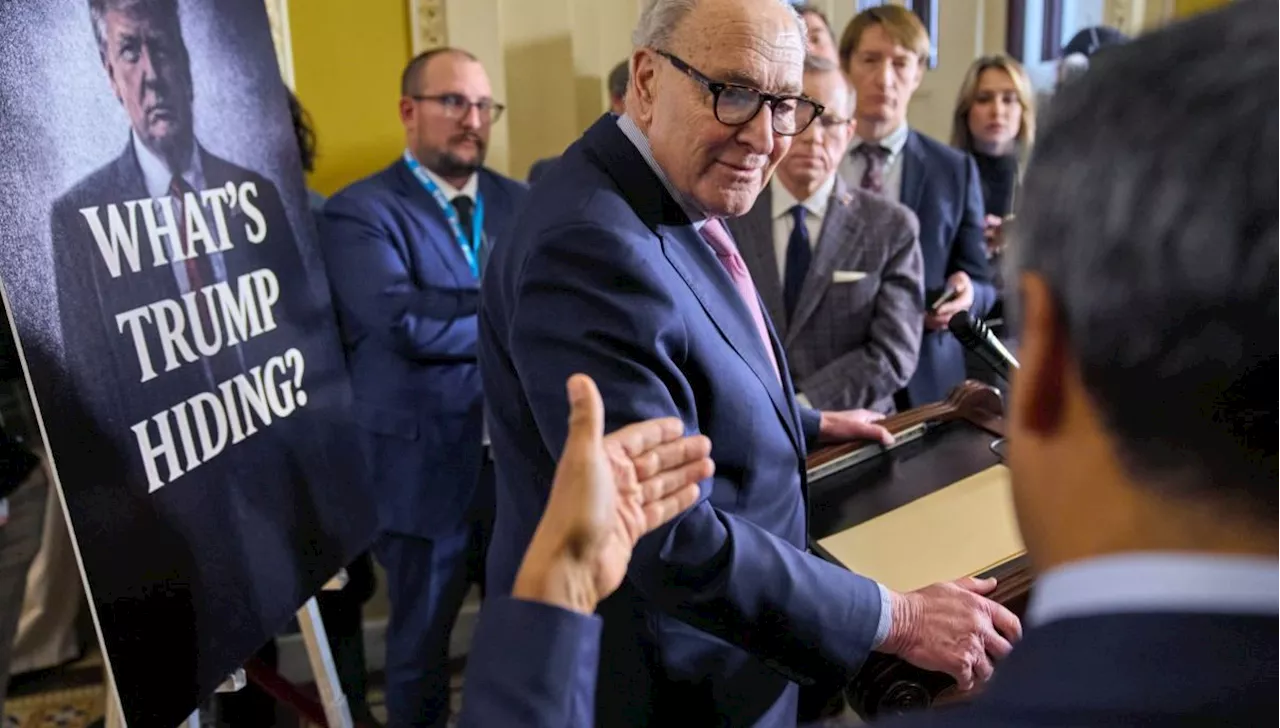
Senate Democratic leader Chuck Schumer emphasized the need for clear objectives in military engagements. “Wars without clear objectives do not remain small. They get bigger, bloodier, longer and more expensive,” he stated during a news conference on Tuesday. He labeled the ongoing conflict as “a war of choice,” questioning the necessity of U.S. involvement.
In the wake of the surprise attack launched by Trump on Saturday, the administration has been actively seeking support from Congress. Officials, including Secretary of State Marco Rubio, have made repeated appearances on Capitol Hill to assure lawmakers of their control over the situation. “We are not going to put American troops in harm’s way,” Rubio told reporters. This statement comes as reports indicate the deaths of six U.S. service members in a drone strike in Kuwait, raising concerns about the potential for escalation.
Trump’s objectives in Iran have shifted from regime change to curtailing Iran’s nuclear capabilities and debilitating its navy and missile programs. Senate Majority Leader John Thune remarked on the administration’s progress, stating, “I think they are achieving great success with what they’ve done so far.” He added that the future in Iran largely rests with the Iranian people.
While many Republican senators are preparing to oppose the war powers resolution, some express reservations about the prospect of deploying ground troops in Iran. Senator Bill Cassidy from Louisiana expressed concern, stating, “I don’t think the American people want to see troops on the ground.” He noted that the administration has not fully dismissed the possibility but is not emphasizing it.
The upcoming votes in Congress are critical as lawmakers navigate their positions on the conflict, particularly with midterm elections on the horizon. Senator Tim Kaine, a key figure behind the war powers resolution, remarked, “Nobody gets to hide and give the president an easy pass or an end-run around the Constitution.” He underscored the importance of transparency and accountability in military decisions.
Republican leaders have previously managed to defeat several war powers resolutions related to other military actions initiated by Trump. However, this current situation differs significantly. The attack on Iran signals an open-ended conflict likely to have far-reaching implications across the region.
Comments from Senator Markwayne Mullin highlight the complexity of the current political landscape. He acknowledged the inherent ugliness of war while framing the conflict as necessary to address longstanding threats. In contrast, Senator Lindsey Graham posited that the expanding conflict offers a chance for Arab and European nations to collaborate against Iran and its affiliates.
On the House side, leaders are preparing for a vigorous debate and vote on the conflict scheduled for Thursday. House Speaker Mike Johnson expressed confidence in defeating the resolution, while Democratic leader Hakeem Jeffries anticipated strong support for it among Democrats. Representative Gregory Meeks, the top Democrat on the House Foreign Affairs Committee, called on the Trump administration to engage with Congress and provide clarity on the rationale for military action, emphasizing the stakes involved for U.S. service members.
As the situation develops, the decisions made by Congress will likely resonate well beyond Capitol Hill, shaping both U.S. foreign policy and the lives of many across the region.