President Donald Trump asserted on March 13, 2024, that the North Atlantic Treaty Organization (NATO) should assist the United States in acquiring Greenland, emphasizing that anything less than American control over the territory would be “unacceptable.” His comments came just hours before Vice President JD Vance was set to meet with officials from Denmark and Greenland to discuss bilateral relations.
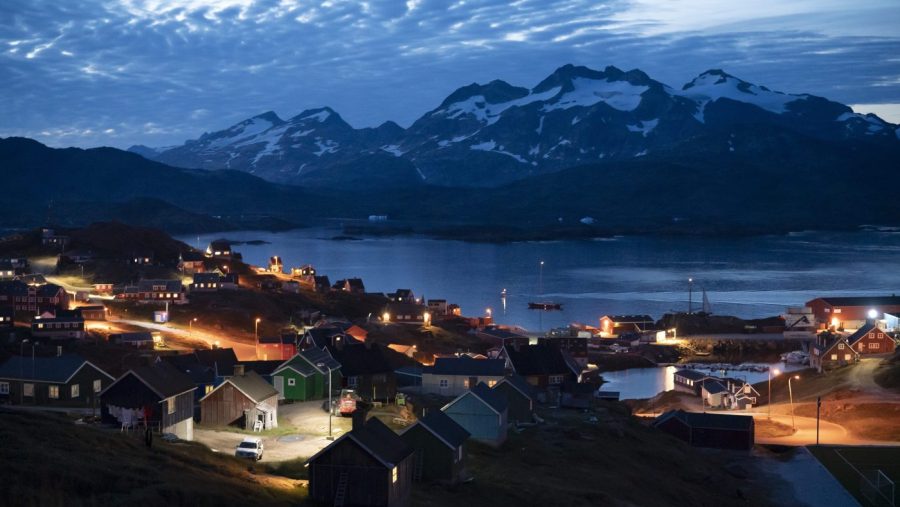
Trump’s statement reflects a long-standing interest in Greenland, which is a self-governing territory of Denmark. The former president’s remarks have reignited discussions about the strategic importance of the island, located between North America and Europe.
During a press conference, Trump highlighted the economic and military benefits that American control of Greenland would bring. He noted the island’s vast natural resources, including rare minerals and potential military advantages due to its geographic position. “We need to ensure that Greenland is in the hands of a nation that prioritizes its security and resources,” Trump stated.
The upcoming talks hosted by Vice President Vance aim to strengthen ties between the U.S., Denmark, and Greenland. The discussions are expected to cover a range of topics, including trade, defense, and climate change, as well as the future of U.S.-Greenland relations. Vance has emphasized the importance of cooperation in addressing shared challenges, particularly in the Arctic region.
The suggestion that NATO should play a role in acquiring Greenland has drawn mixed reactions. Some analysts argue that such a move could escalate tensions with Denmark, while others believe it might open new avenues for collaboration within the alliance. The Danish government has historically been resistant to any notion of selling Greenland, viewing the territory as an integral part of its national identity.
Trump’s focus on Greenland is not new. During his presidency, he famously expressed interest in purchasing the territory, leading to a diplomatic spat with Denmark when the proposal was dismissed. The current administration’s stance on the matter remains to be seen, especially in light of Vance’s upcoming discussions.
As the situation develops, the implications of U.S. ambitions in Greenland may extend beyond mere territorial control. They could significantly affect U.S.-Nordic relations and the balance of power in the Arctic, an area of increasing geopolitical interest.
The conversations at this pivotal meeting will likely set the tone for future engagements between the United States and its Nordic allies, as they navigate complex issues ranging from security to environmental challenges.