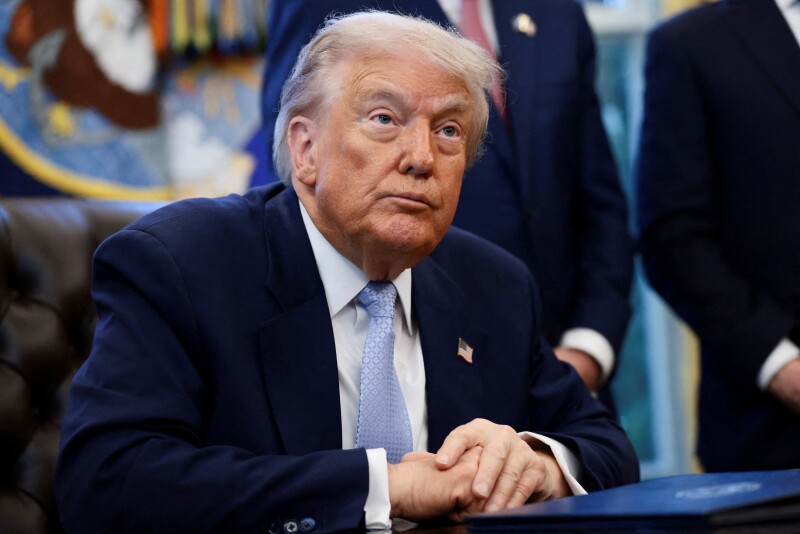
President Donald Trump indicated that the United States may engage in discussions with Venezuelan President Nicolás Maduro. This announcement comes as the U.S. enhances its military posture in the Caribbean with the deployment of its most advanced aircraft carrier.
During a statement made on Sunday evening, Trump did not provide specific details regarding the potential discussions with Maduro but noted that “Venezuela would like to talk.” This shift suggests a possible diplomatic path amid increasing tensions in the region.
Military Presence Heightened Near Venezuela
The U.S. military’s intensified presence near Venezuela is part of a broader strategy that includes a series of recent strikes against vessels suspected of drug trafficking. These operations are designed to combat the flow of illegal drugs and to assert U.S. influence in the area.
The arrival of the aircraft carrier underscores a commitment to stability and security in the Caribbean region. The U.S. has historically taken a strong stance on issues related to Venezuela, particularly given the country’s ongoing political and economic crises.
While the possibility of talks between the U.S. and Venezuela remains uncertain, it highlights an evolving approach to foreign relations in a region that has seen increasing instability. The Trump administration has faced criticism for its handling of Venezuelan affairs, and this potential engagement may reflect a willingness to explore diplomatic solutions.
Implications for U.S.-Venezuelan Relations
Engaging with Maduro could alter the trajectory of U.S.-Venezuelan relations, which have been particularly strained in recent years. The U.S. has imposed numerous sanctions on Venezuelan officials and entities, aiming to pressure the Maduro government to restore democratic processes and address humanitarian issues.
The outcome of any discussions remains to be seen, and it is unclear what concessions, if any, might be on the table. The international community watches closely, as developments could have significant implications for regional stability and U.S. foreign policy moving forward.
As the situation continues to unfold, the U.S. government will likely weigh the potential benefits of dialogue against the backdrop of its military strategy in the Caribbean, striving to balance security concerns with diplomatic efforts.