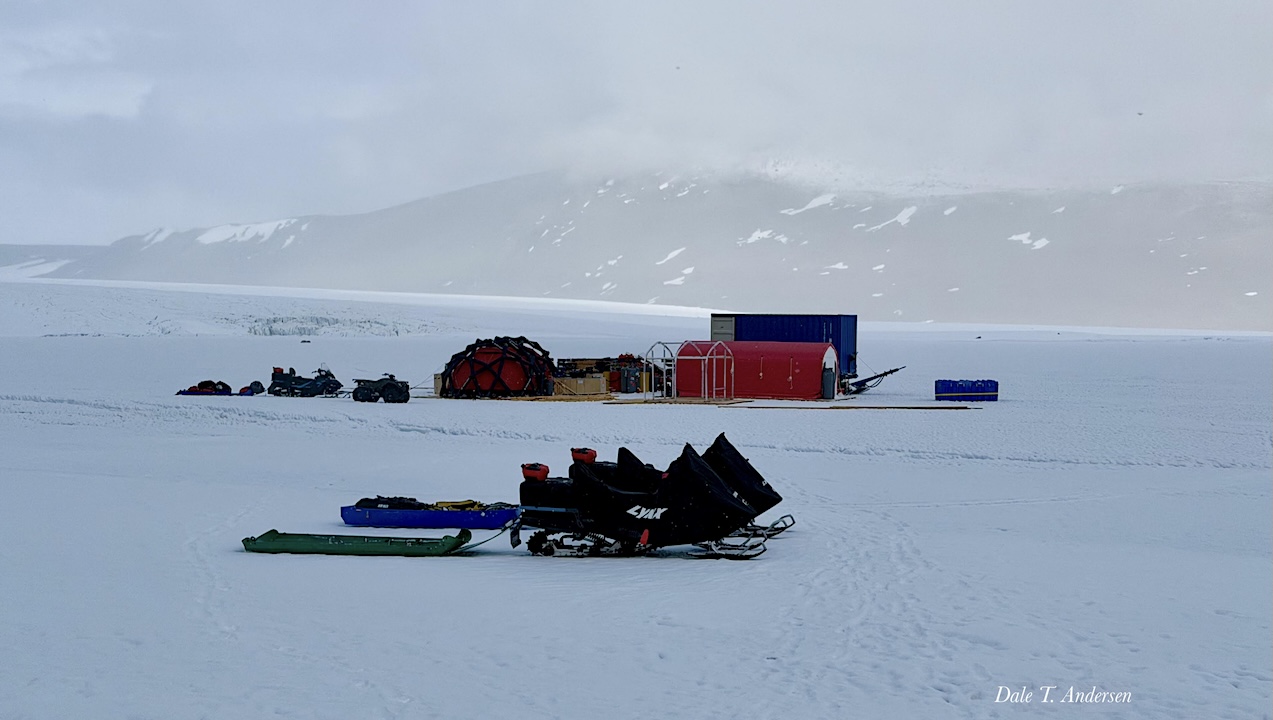
Astrobiologist Dale Andersen has initiated the establishment of a research base at Lake Untersee, Antarctica, as of January 14, 2026. The primary focus of the team has been to set up a secure and weather-resistant shelter to facilitate their scientific endeavors in the challenging environment.
Since their arrival, the team has prioritized creating a safe structure to protect against the harsh Antarctic elements. Currently, approximately half of the camp is completed, including several personal tents and a communal kitchen tent. This kitchen, measuring 20 feet long and 10 feet wide, is a robust WeatherPort designed to withstand winds up to 110 mph. Andersen expressed hope that they would not need to test these limits, noting that past experiences have revealed the potential for severe winds that can disrupt camp life.
As the team continues to make progress, Andersen highlighted the importance of preparation and experience when conducting research in extreme conditions. He remarked, “Work in extreme environments can be demanding, but preparation and experience matter, and the scientific rewards can be substantial.”
The camp is being assembled with a sense of urgency, as weather forecasts indicate the possibility of blizzard conditions starting next Sunday. Andersen acknowledged the unpredictable nature of weather predictions in the area, making the timely completion of their camp essential.
The team is also keeping in mind the safe return of ISS Crew-11, wishing them calm seas and gentle winds for their splashdown. Andersen’s thoughts extend beyond their immediate work at Lake Untersee, reflecting a collaborative spirit within the scientific community.
The Antarctic field season is a continuation of Andersen’s extensive research efforts in the region, which date back to 1996. Over the years, he has provided updates on his work from Antarctica, including notable achievements such as establishing one of the first web servers from the continent.
As they settle in beneath the ice and wind, the team is eager to conduct their scientific research, which aims to explore astrobiological questions in one of the most extreme environments on Earth. The results of their work could offer significant insights into both terrestrial and extraterrestrial life forms, reinforcing the value of their efforts in this remote location.