Federal Government Reclassifies Medical Marijuana but Thousands Face Harsh Sentences
The Trump administration signed a groundbreaking executive order reclassifying state-licensed medical marijuana as a less dangerous drug, a move celebrated by some advocates but sharply criticized for leaving thousands of federal inmates behind.
Acting Attorney General Todd Blanche signed the order, which shifts medical cannabis from Schedule I — the strictest category reserved for drugs deemed to have no medical use and high abuse potential like heroin — to Schedule III, a less regulated status. This historic federal adjustment signals a major policy shift in how marijuana is viewed under U.S. drug laws.
But Justice Falls Short for Prisoners Still Locked Up
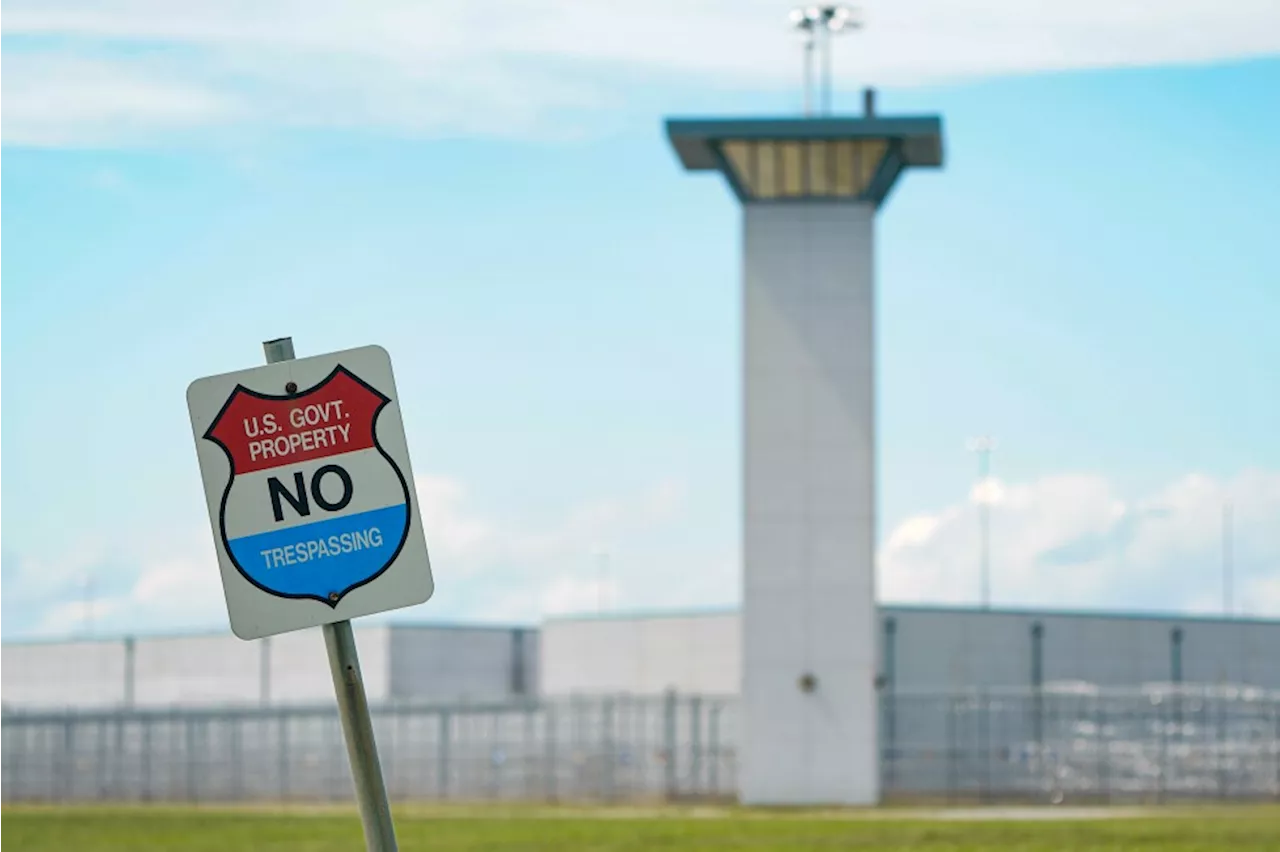
Despite the rescheduling, the order does not affect the thousands locked in federal prisons for cannabis-related convictions, many serving life sentences or decades for trafficking and possession offenses. It also leaves intact current penalties for selling or possessing marijuana federally.
“While this is a victory, the fight is far from over,”
said Jason Ortiz, director of strategic initiatives at the Last Prisoner Project, a nonprofit dedicated to cannabis criminal justice reform.
The order primarily benefits licensed medical marijuana businesses and researchers, offering tax breaks and fewer restrictions — but virtually no relief for those still incarcerated or burdened by past convictions.
Families Plead for Justice as Sentences Continue
Take Hector Ruben McGurk, 66, imprisoned since 2007 in Beaumont, Texas, serving life without parole for transporting thousands of pounds of marijuana coupled with money laundering charges. McGurk’s family describes the punishment as disproportionate and struggles with infrequent prison visits over 800 miles away.
“He deserves a second chance. We see others with worse cases coming home, but his release date is death,”
said McGurk’s daughter-in-law, Ferna Anguiano. She underscored concerns about his health and expressed urgency for clemency.
Rescheduling Won’t Automatically Change Sentencing
Experts warn that altering a drug’s federal schedule does not automatically erase harsh penalties. Cat Packer, director of drug markets and legal regulation at the Drug Policy Alliance, explained that many sentences are tied to drug-specific laws and mandatory minimums independent of scheduling.
“Even if marijuana moved to Schedule V, criminal penalties, including mandatory minimums, would remain in place,” Packer said. This highlights a deep divide between decriminalization advocates and the current federal legal framework.
Longstanding Racial Disparities Exposed
Racial inequities remain stark: Black Americans face arrest rates nearly four times higher than white Americans for marijuana possession, despite similar usage rates. Most federal marijuana prisoners are Black or Hispanic, pointing to systemic issues tied to enforcement and sentencing.
The benefits of the new schedule shift are expected to disproportionately favor predominantly white cannabis business owners licensed at the state level — potentially widening financial and social disparities in the industry.
Calls Grow for Congressional Action and Clemency
Advocates urge Congress and state lawmakers to enact comprehensive laws addressing marijuana convictions, expungements, and equitable industry regulations. The Last Prisoner Project and others are renewing dialogue with the Congressional Cannabis Caucus to push for sweeping reforms.
Meanwhile, experts remain skeptical about broad pardons from the current administration, calling for clear, structured legislation as the next vital step.
Looking Ahead
This federal rescheduling marks a milestone but leaves a large justice gap unaddressed. Advocates are calling on states nationwide to revisit their marijuana laws and align them with federal changes to ensure fair treatment for those impacted by decades of punitive drug policies.
Jason Ortiz urges public engagement stating,
“It’s imperative every state reviews their policies and helps push forward what is right.”
The evolving conversation continues with millions watching as the battle to end cannabis criminalization presses forward with urgency and high stakes for justice equity.