FOP Leader’s Racist Remarks Ignite Fury After Police Reckless Homicide Verdict
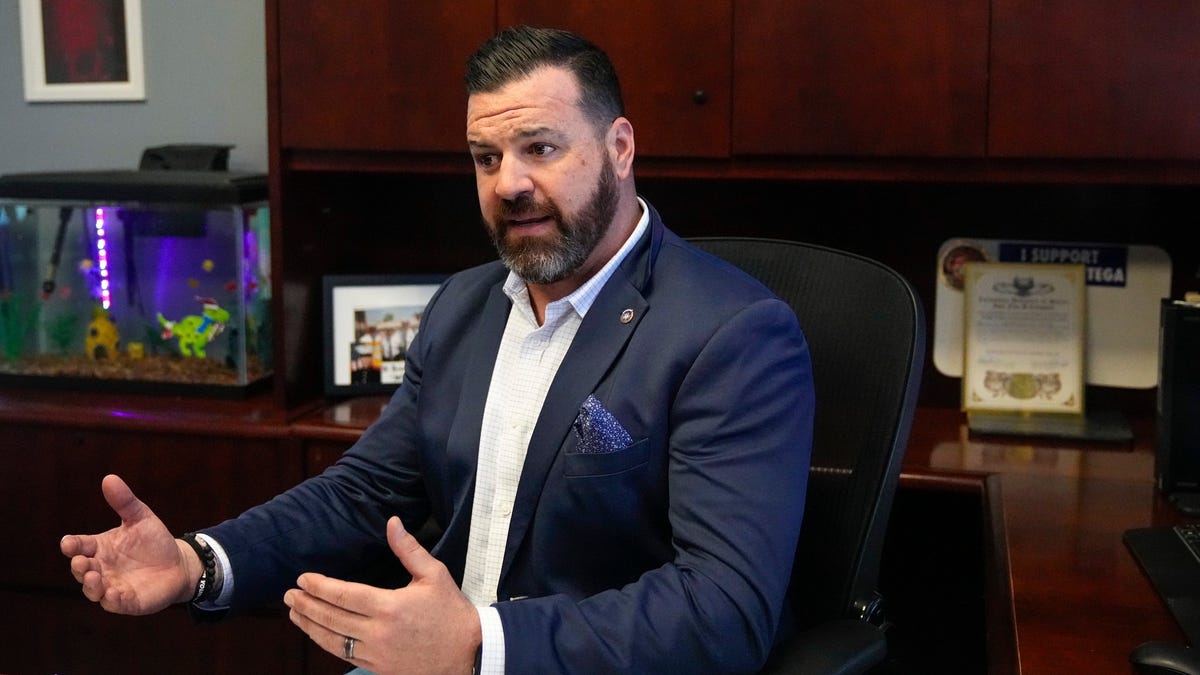
The president of the Fraternal Order of Police (FOP) Capital City Lodge 9, Brian Steel, has ignited a firestorm of backlash after he publicly labeled attorney Sean Walton a “poverty pimp” in a “$3,000 suit” following the recent conviction of former deputy Jason Meade for reckless homicide in the fatal shooting of Casey Goodson Jr.
The incendiary comment comes amid a rare verdict that convicted a law enforcement officer in the shooting death of a young Black man—a case stirring deep national debate over police accountability and racial justice. Meade was found guilty after shooting Goodson multiple times in December 2020, including five times in the back, per autopsy reports.
While the conviction represents an unusual level of accountability in an era where officer convictions remain rare, the response from the FOP leader threatens to deepen divisions between communities and law enforcement rather than foster healing or unity.
Racist Language Undermines Progress in Police Accountability
Sean Walton is the president of the local NAACP chapter and also represents the Goodson family. Steel’s harsh characterization of Walton plays into racially charged narratives that many observers say echo a regressive period of racial hostility and social fracture America continues to struggle to move beyond.
“The FOP leader’s incendiary words were reminiscent of an era that slowly but surely seems to be making a comeback, but one I have no interest in revisiting or tolerating,”
said Judson L. Jeffries, professor of African American and African studies at Ohio State University and a regular columnist for the Columbus Dispatch.
Jeffries emphasized that while Meade’s conviction is a step forward, genuine systemic progress remains “an anomaly” in a criminal justice system notoriously protective of law enforcement.
Communities Demand Unity as Polarization Grows
The shooting of Casey Goodson Jr. continues to ripple across communities, especially in cities nationwide grappling with police violence and calls for reform. Steel’s remarks follow a pattern of public tensions inflamed by racially divisive rhetoric from law enforcement spokespeople, just as many Americans seek justice and reconciliation.
Legal and civil rights advocates warn that such statements by prominent union leaders only fuel mistrust and undermine efforts to rebuild fractured relationships between police and the public. With many retired officers never firing a weapon in their careers, the reckless decision by Meade remains emblematic of deeper issues in training, accountability, and culture within law enforcement.
What’s Next?
The fallout from Steel’s comments is ongoing, with calls for his apology intensifying amid broader scrutiny of police union leaders’ influence on public discourse and policy. As cities nationwide consider police reform measures, such inflammatory language risks setting back progress by widening divides instead of closing them.
Meanwhile, the Goodson family and their attorney focus on pursuing justice and healing in the aftermath of a case that has become a symbol of both tragedy and the challenging road toward meaningful police accountability across the United States.
The recent verdict and ensuing reactions underscore the fragile balance between law enforcement accountability and community trust—a balance South Carolina and other states watching these developments must navigate carefully in 2026 and beyond.