Freemasons Break Silence to Reveal Powerful Support Network and Charity Work
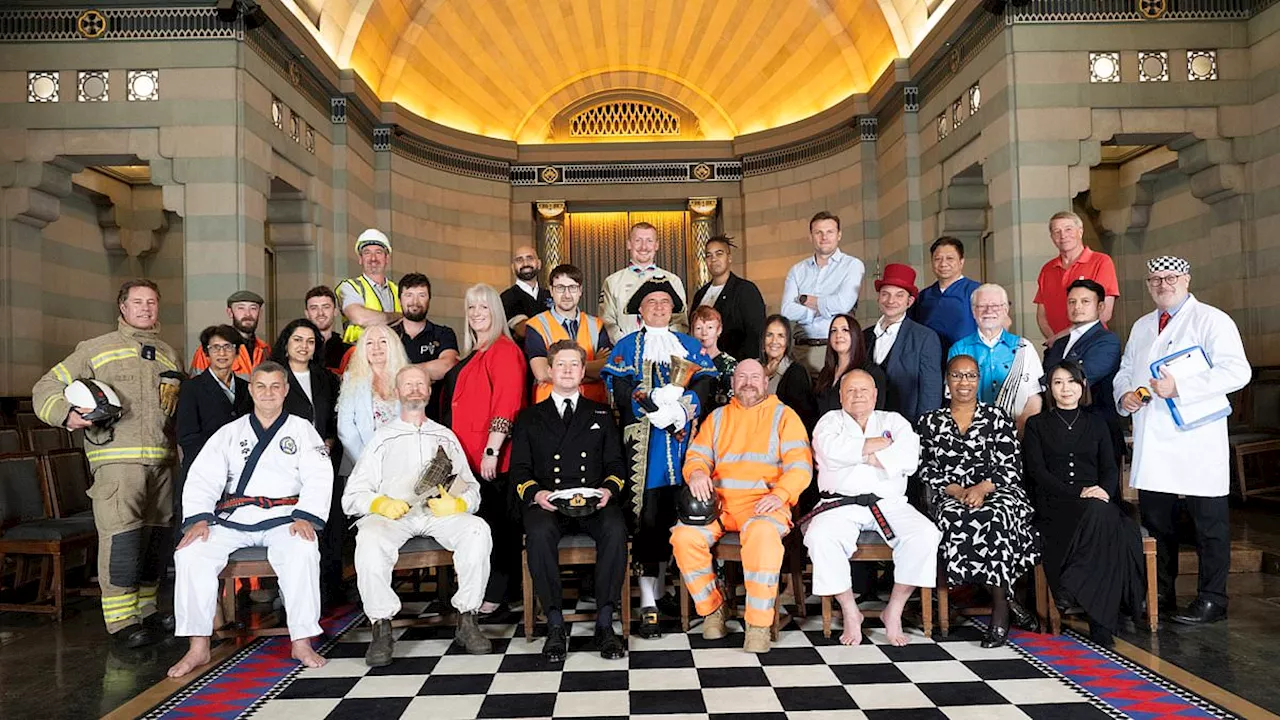
The mysterious world of Freemasonry is shedding its cloak of secrecy as members open up about how their centuries-old fraternity is transforming lives through unwavering support and massive charitable efforts. For the first time, 30 diverse members spanning professions and backgrounds shared personal stories from across the United Kingdom, revealing the core values of brotherhood, fellowship, and moral improvement at the heart of their order.
Far from the shadowy conspiracies that have long surrounded them, these Freemasons paint a picture of an inclusive community — men and women, young and old, straight and LGBTQ+ — bound not by secrecy but by a shared commitment to helping others and building better lives.
Life-Saving Support and Mental Health Focus
Matthew Wintle, a 52-year-old fire service first responder from Chichester, calls Freemasonry “a sanctuary” providing peace amid life’s chaos. Many members, like Matthew, are mental health first aiders supporting each other through personal struggles. For Ben Evans, a 33-year-old Penzance train driver, the lodge was a haven from childhood homophobia. Ben even used Masonic financial aid to serve on the front lines in Ukraine as a field ambulance driver last year.
Others credit the fraternity with bringing relief from isolation and mental health challenges. Matt Marshall, a 29-year-old building developer struggling with confidence and depression, credits his growth and renewed purpose to his lodge. Meanwhile, Vincent Geluz-Bustos, a Filipino chef, reports remarkable recovery of memory and a reversal of dementia symptoms thanks to his Masonic involvement.
Charity and Community Work Drive Positive Change
Freemasons today emphasize relentless charity. Josh Lee-Taylor, a scout leader, highlights how multiple lodges actively support youth groups with donations and volunteer work like refurbishing scout huts. Cherise Shade, a protection officer in Birmingham, represents growing female participation that fuels outreach and volunteer action.
Many members describe Freemasonry as a “massive fundraising machine” pumping resources into causes overlooked elsewhere, and a fraternity where hierarchy dissolves at meetings — millionaire and laborer alike treated as equals. That egalitarian spirit extends to deep social bonds, with members rallying to support those enduring personal loss or life crises. When Freddie Reeves lost his grandmother, messages flooded in from every corner of his lodge.
Diverse Backgrounds United in a Global Brotherhood
Freemasonry’s inclusiveness crosses national and cultural lines. Michael Duque, an emergency nurse in London, connects his lodge to the Filipino Masonic community numbering nearly 30,000 strong. Mary Spillane, a charity worker, compares the fraternity to “what church should be,” a vibrant community blending spirituality, ritual, and friendship.
Members from all walks of life echo a similar sentiment — Freemasonry has positively altered their outlook and conduct. Mark Northway, a 61-year-old town crier, calls its moral discipline a grounding “structure” that is increasingly rare in today’s fragmented society. Meanwhile, Orli Zucker, 69, praises how the lodge transforms shy individuals into confident contributors, nurturing generosity and empathy.
Debunking Myths, Embracing Transparency
Despite centuries of conspiracy theories ranging from world domination plots to JFK’s assassination, members assert that secrecy is symbolic, tied to trust rather than concealment of wrongdoing. Oliver-Rupert Pelendrides, a Royal Navy warfare officer, stresses that their rituals “symbolically promote reliability and honor,” not hidden agendas.
This newfound openness is redefining public perceptions. With membership growing particularly among women and young professionals, lodges are embracing transparency, community engagement, and charitable visibility. As Sharon Whatley, a 62-year-old ghostwriter, notes, student lodges now emerging across cities show Freemasonry’s revival as a dynamic social force.
Why South Carolinians Should Take Notice
While this wave of Masonic openness originated abroad, the implications resonate worldwide. Most notably, the emphasis on mental health support, community resilience, and charity align with urgent social needs in South Carolina and the United States at large. Whether you hail from rural towns or urban centers, Freemasonry’s message of brotherhood and social impact invites fresh consideration beyond old clichés.
This revelation of human stories and service behind the Masonic veil invites American readers to reconsider a fraternity often misunderstood — showing it can be a vital network for personal growth, community support, and charitable action in today’s challenging world.