Guatemalan President Replaces Controversial Attorney General After Years of Political Turmoil
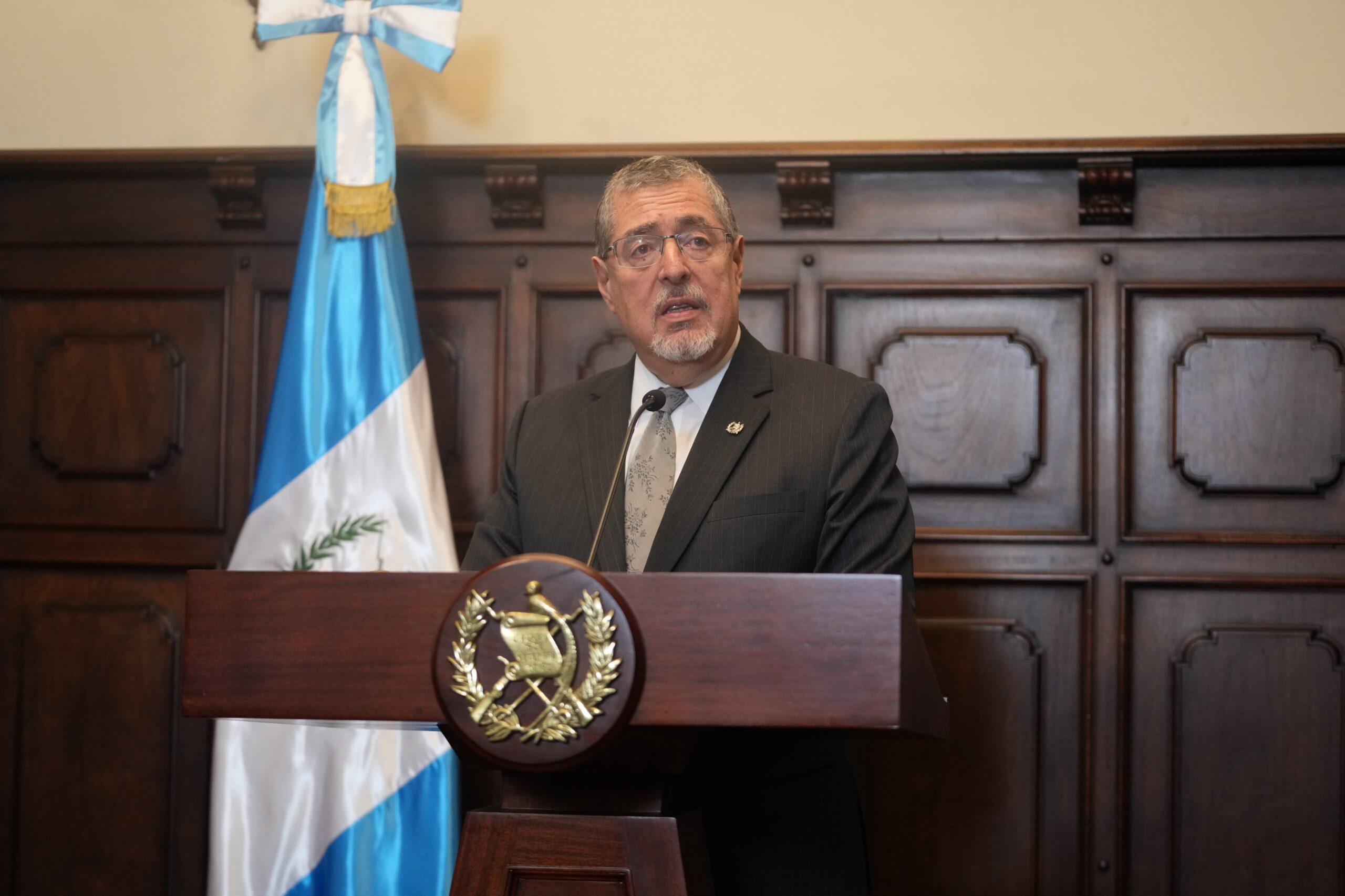
Guatemala City – Guatemalan President Bernardo Arévalo has ended a years-long political and legal conflict by appointing a new attorney general, a move signaling a major shake-up in the country’s deeply troubled justice system. On Tuesday, Arévalo announced that lawyer Gabriel Estuardo García Luna will take over leadership of the national prosecutor’s office when the current attorney general’s term ends on May 17.
The replacement comes after a fierce standoff with outgoing Attorney General Consuelo Porras, who drew widespread international condemnation and sanctions from more than 40 countries for obstructing investigations into government corruption and using her office to target political opponents. Porras’ aggressive attempts to undermine Arévalo’s rise to power included efforts to block him from assuming office and ongoing legal actions against his political party, the Seed Movement.
New Leadership Promises Independence and Anti-Corruption Reform
Arévalo, a progressive known for his strong anti-corruption stance, emphasized that his choice for attorney general would restore independence to the prosecutor’s office. “The Public Ministry is getting a new authority who does not come to serve a president, the government of the day, or particular or spurious political interests,” Arévalo declared in a national address, highlighting Garcia Luna’s credentials and mandate.
Garcia Luna, 49, brings 22 years of legal experience and advanced doctoral studies to the position. Selected from a competitive pool of at least 48 applicants reviewed by a nomination committee, his appointment aims to steer the Public Ministry away from partisan influence and corruption.
Attorney General’s Office Has Long Been a Battleground
In Guatemala, the attorney general’s office is constitutionally independent but has become a flashpoint in the country’s struggle against corruption and political weaponization of justice. Under Porras’ tenure, the office faced accusations of systematically persecuting journalists, former officials, and members of opposition parties. The office also repeatedly targeted Arévalo’s Seed Movement party since his election, raiding offices, seizing ballot boxes, and challenging the party’s legal status.
International criticism has painted Porras as an obstacle to reform and protector of corrupt networks within Guatemala’s political elite. Despite this, Guatemalan presidents traditionally have little power to replace the attorney general, making Arévalo’s maneuver a significant victory in his push to reform the justice system.
What Comes Next in Guatemala’s Fight Against Corruption
With García Luna’s appointment effective May 17, observers both in Guatemala and abroad will watch closely to see if the controversial Public Ministry finally shifts course. The new attorney general faces immense pressure to halt political persecution, restore transparency, and rebuild public trust.
For U.S. and South Carolina audiences following global corruption and democratic reforms, Guatemala’s developments underscore ongoing challenges across the Western Hemisphere in rooting out entrenched political abuse and ensuring judicial independence.
As Arévalo’s government prepares for this critical transition, the international community remains engaged, monitoring how effectively Guatemala’s new chief prosecutor can fulfill promises to dismantle corrupt structures and uphold the rule of law.
The replacement of Guatemala’s attorney general marks a pivotal moment that could reshape the country’s political landscape and strengthen democracy—for the people of Guatemala and the region.