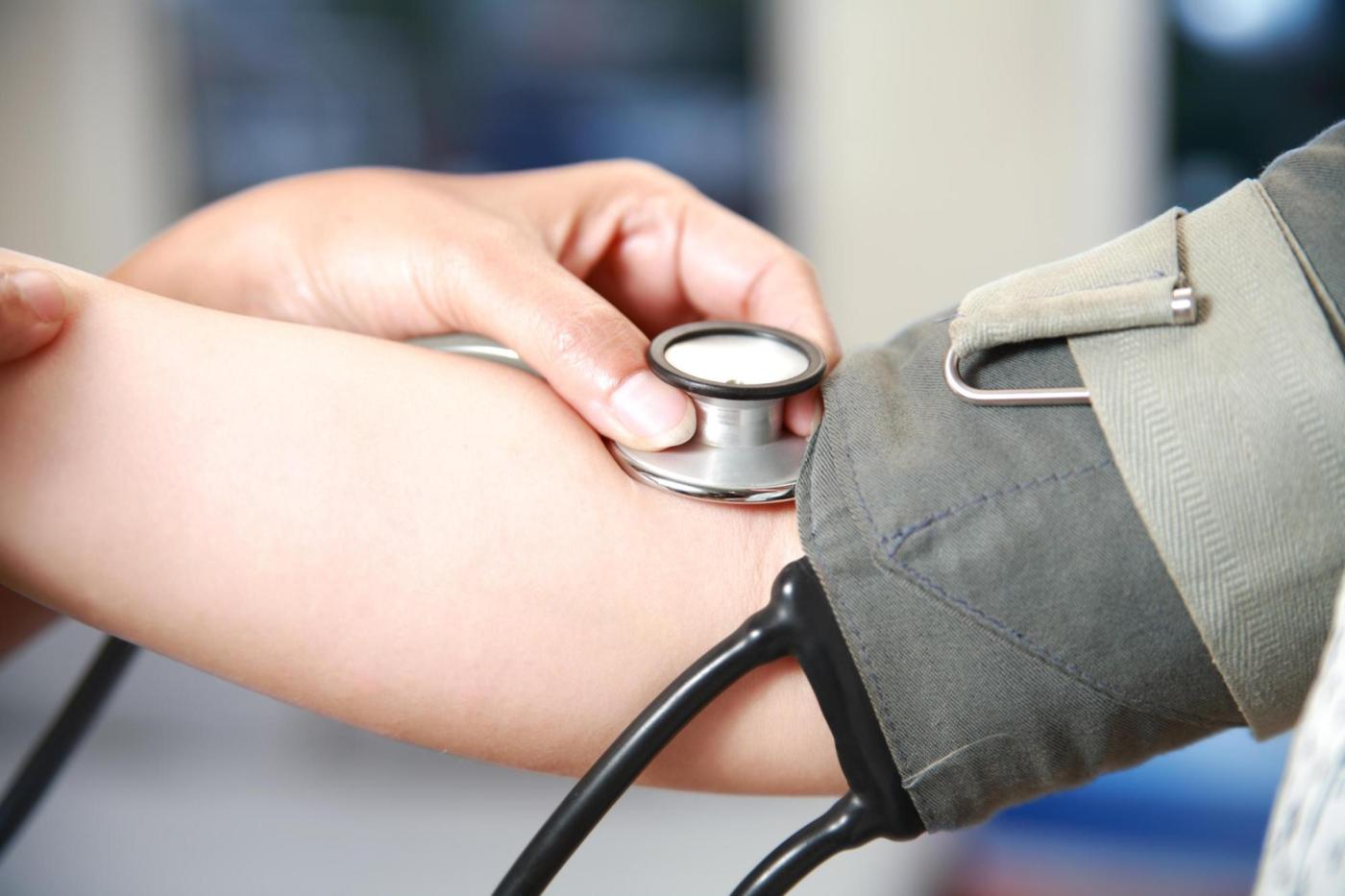
URGENT UPDATE: New research from UNT Health Fort Worth reveals that wearing heated pants could significantly lower blood pressure among older adults. This innovative study, recently published in the Journal of Applied Physiology, shows promising results in combating hypertension, a condition affecting nearly 120 million American adults.
In a groundbreaking experiment, a group of 19 adults aged 55 to 80 donned specially designed heated pants for one hour a day, four days a week. After just eight weeks, participants experienced an average drop of 5 points in systolic blood pressure, a crucial measurement reflecting the pressure in blood vessels when the heart beats. This drop is particularly significant given that only one in four adults with high blood pressure effectively manage their condition.
Authorities report that high blood pressure was a primary or contributing cause in over 664,000 deaths in the United States in 2023. In Texas alone, approximately 32% of adults have been diagnosed with this dangerous health issue.
Dr. Amit Khera, a cardiologist at UT Southwestern Medical Center, emphasized the importance of these findings, calling it “an important proof-of-concept study.” While he cautions that heat therapy should not replace traditional blood pressure medications, he recognizes its potential as an adjunctive treatment for cardiovascular diseases.
The research team, led by Scott Romero, adapted the heated pants from suits originally developed by NASA. The pants circulated water heated to nearly 124 degrees Fahrenheit, raising skin temperature to about 104 degrees, which mimics the cardiovascular responses seen during exercise. Participants maintained their normal routines while wearing the pants, and their blood pressure was monitored before and after the trial.
Results showed that those in the heat therapy group had markedly improved endothelial function, a key indicator of cardiovascular health. “The cardiovascular responses to heat exposure are almost identical to exercise,” Romero stated, highlighting the profound implications of this study.
While researchers are still investigating the underlying mechanisms of these results, preliminary findings suggest that repeated heat exposure could lead to long-term improvements in vascular health. Dr. Khera expressed interest in understanding how these benefits could apply to individuals with diagnosed hypertension, noting that even a modest reduction in blood pressure could significantly impact population health.
The potential of at-home heat therapy could not be more critical. As Texas faces increasingly hot summers, older adults are particularly vulnerable to heat-related illnesses. Romero stated, “Our idea is to be proactive about these heat waves and have individuals heat acclimate themselves at home.” This approach aims to build resilience against heat stress, especially as research predicts that as many as 246 million older adults will experience dangerous heat levels by 2050.
As this study gains traction, further research is needed to explore the long-term effects and broader applications of heat therapy. The health community is watching closely as these findings could pave the way for new strategies in managing high blood pressure and improving cardiovascular health.
Stay tuned for more updates on this developing story that could change how we approach hypertension treatment.