PT Pertamina has announced a significant adjustment to its fuel prices, effective March 15, 2026. This decision follows the issuance of the Minister of Energy and Mineral Resources’ decree No. 245.K/MG.01/MEM.M/2022, which modifies previous pricing regulations established in decree No. 62 K/12/MEM/2020. The changes primarily affect non-subsidized fuels, including various grades of gasoline and diesel, while subsidized prices remain unchanged.
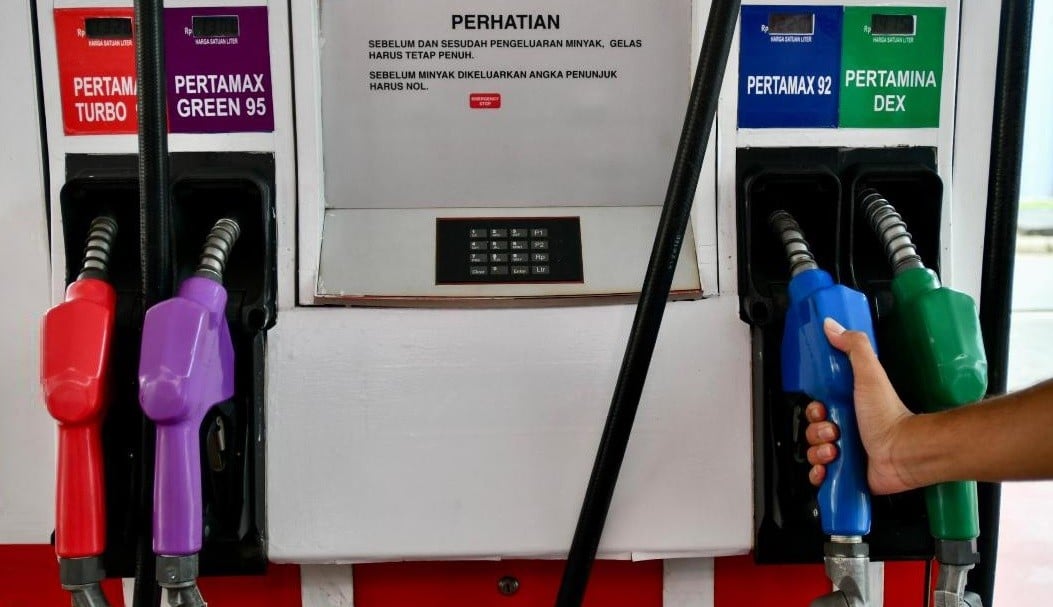
As per the official announcement, the prices for all non-subsidized fuels have increased. In the Jakarta, Bogor, Depok, Tangerang, and Bekasi (Jabodetabek) area, the price of Pertamax has risen to Rp12,300 per liter, up from Rp11,800. Pertamax Turbo saw a price increase to Rp13,100, up from Rp12,700. Pertamax Green 95 now costs Rp12,900, an increase from Rp12,450 per liter.
Details of the Price Adjustments
In addition to the adjustments for Pertamax, diesel fuel prices have also seen notable changes. Dexlite has increased to Rp14,200 per liter, compared to the previous Rp13,250. Pertamina Dex also reflects a price rise, now sitting at Rp14,500 per liter, up from Rp13,500.
Importantly, the prices for subsidized fuels such as Biosolar and Pertalite remain unchanged at Rp6,800 and Rp10,000 per liter, respectively. This decision aims to maintain affordability for lower-income consumers while adjusting prices for premium fuel options.
These adjustments come amid ongoing fluctuations in global oil prices and are part of Pertamina’s efforts to align local fuel prices with market trends. The company continues to monitor the situation closely, ensuring that its pricing strategies reflect both global economic conditions and domestic needs.
The latest changes in fuel pricing are expected to impact consumers and businesses alike in Indonesia. As fuel prices are a critical factor in the overall cost of living, these adjustments may lead to increased transportation and logistical costs. Moreover, they will likely influence consumer behavior, prompting many to reassess their fuel consumption and driving habits.
As the government and Pertamina navigate these changes, the focus remains on balancing economic viability and consumer affordability in a complex global energy landscape.