Polish Prime Minister Sounds Alarm Over NATO’s Future as US Reduces Troops in Europe
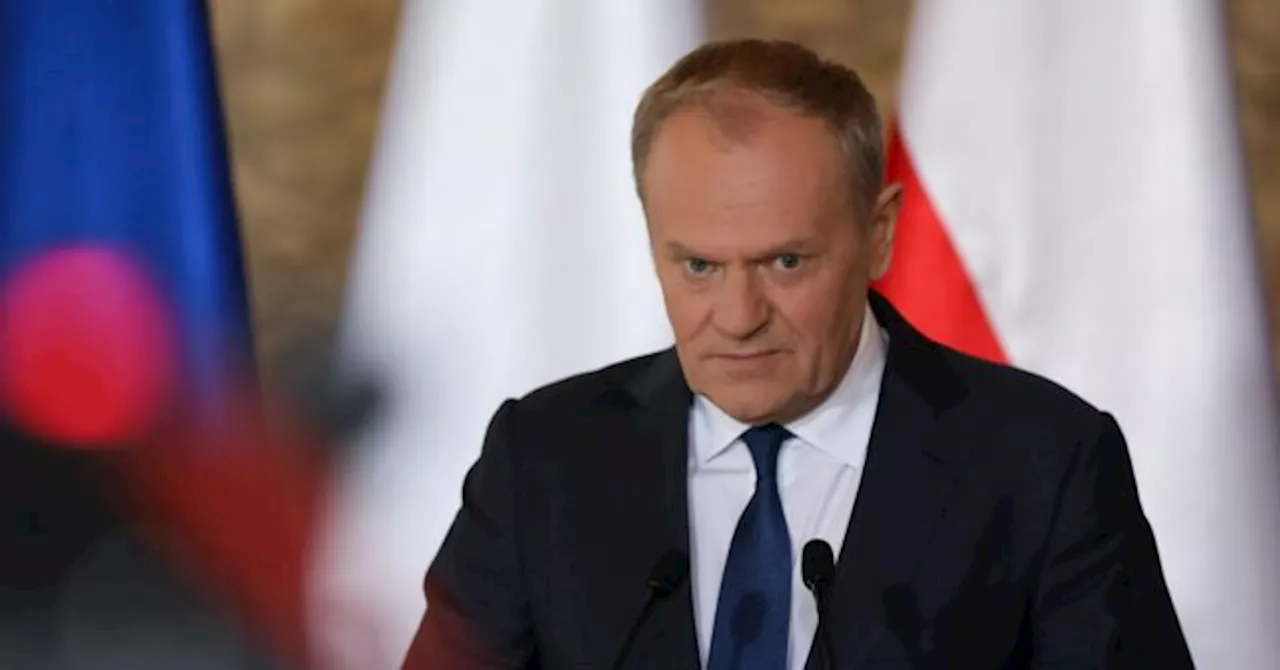
Polish Prime Minister Donald Tusk has issued a stark warning that the NATO alliance is on the brink of “disintegration” following the Pentagon’s announcement that the United States will reduce troop levels in Germany by around 5,000 soldiers over the coming year.
The U.S. military currently maintains about 36,000 troops in Germany, and President Donald Trump indicated that the drawdown “would likely be much larger” but did not specify the total number. These moves represent a significant shift in America’s forward deployment strategy in Europe and raise urgent questions about the U.S. commitment to European security.
US-Troop Reductions Spark Fear of NATO Fragmenting
Tusk, who leads Poland where roughly 8,500 American troops are stationed, said the greatest threat to transatlantic security stems not from external foes but from the internal unraveling of NATO’s unity.
“The greatest threat to the transatlantic community are not its external enemies, but the ongoing disintegration of our alliance. We must all do what it takes to reverse this disastrous trend,” Tusk declared.
Last week, the former European Council president openly questioned America’s loyalty to Europe, expressing doubt that the U.S. would fully honor Article 5 of the NATO treaty, which obligates member nations to come to one another’s defense in the event of an attack. Despite President Trump’s repeated assurances of U.S. support to NATO allies, Tusk remains cautious.
“I want to believe that is still valid, but sometimes, of course, I have some problems… what we need today is also practical context,” he said.
Broader US Moves Threaten European Military Stability
President Trump has also suggested withdrawing American troops from other key NATO countries, such as Italy and Spain, accusing them of disloyalty related to their responses against Iran. The U.S. administration has not signaled any troop reductions in Poland so far, but Tusk’s warning makes clear the alliance’s stability is precarious.
At the same time, talks between European leaders highlight a growing push for a more independent defense posture. Tusk recently met with French President Emmanuel Macron to discuss the possibility of France extending its nuclear weapons umbrella across Europe, including proposals to station French nuclear warheads in Poland. Macron, seeking a legacy before his final term ends, is also in discussions with Germany on similar plans.
Germany aims to build the strongest army in Europe by 2039 with plans to field 460,000 combat-ready troops, although Berlin faces challenges meeting recruitment targets amid these ambitions.
Why This Matters Now for U.S. and South Carolina
The potential fragmentation of NATO could have immediate impacts on U.S. military strategy and global security. For South Carolina, home to key military installations and a large number of service members, shifts in NATO commitments directly affect national defense priorities and budgeting.
As U.S.-Europe relations strain, close monitoring of troop deployments and allied commitments is essential. The stability of NATO underpins American security cooperation worldwide, and any erosion threatens broader geopolitical balance at a time of rising global uncertainties.
What to Watch Next
Expect urgent diplomatic engagements in the coming weeks as NATO members seek to reaffirm commitments or adjust their defense strategies amid changing U.S. policies. Developments in troop movements, defense funding, and European military collaborations will be critical signals of the alliance’s direction.
For U.S. policymakers and American citizens alike, Polish Prime Minister Tusk’s warning stands as a call to heed the evolving security landscape before fractures become irreversible.