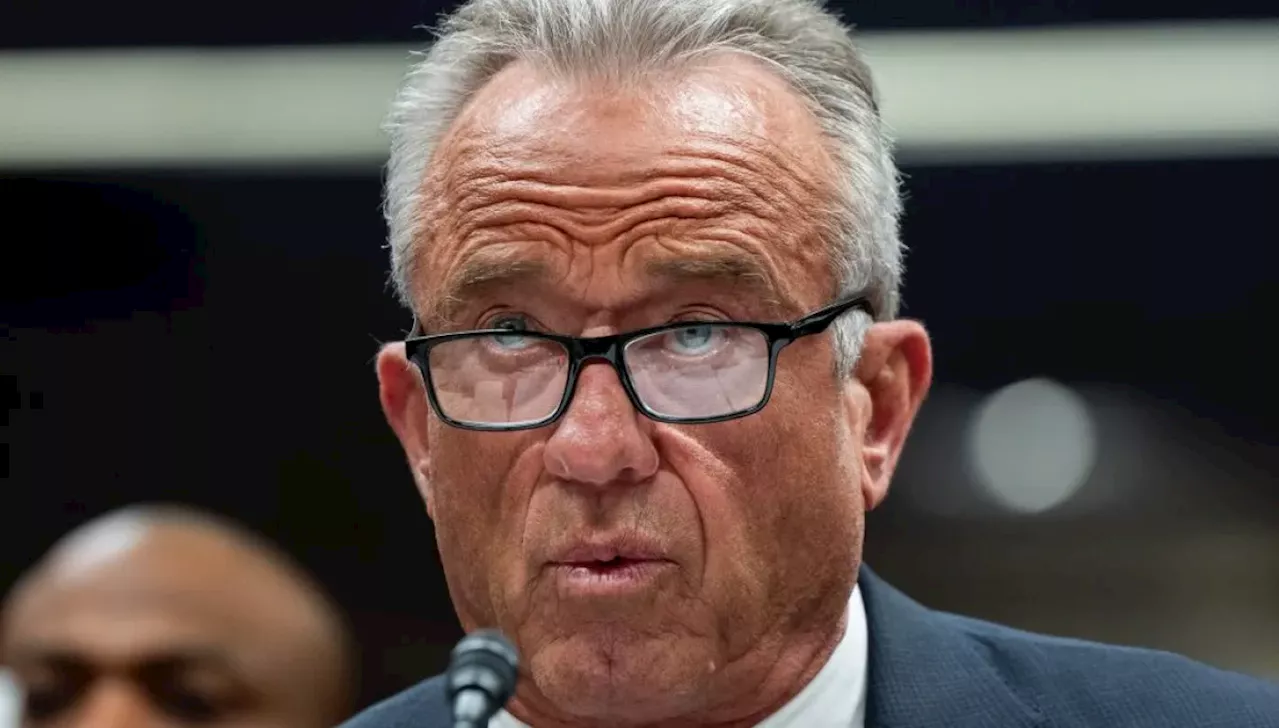
RFK Jr.’s Vaccine Policy Battle Sparks GOP Crisis Ahead of Midterms
Robert F. Kennedy Jr. is stirring chaos at the Department of Health and Human Services (HHS) with his controversial assault on the Vaccine Injury Compensation Program (VICP), threatening Republican hopes to maintain control of Congress in the upcoming midterm elections.
Operating under his “Make America Healthy Again” (MAHA) agenda, Kennedy is aggressively pushing policy changes that could dismantle VICP—a federal program that has paid out over $5 billion to vaccine injury victims since its inception. His efforts include overloading the program with claims and seeking legal and structural changes that could collapse this key safety net.
VICP is essential to maintaining a stable vaccine supply, providing regulatory certainty for manufacturers while compensating those injured. Kennedy’s moves risk stripping recommendations by the Advisory Committee on Immunization Practices (ACIP), potentially eliminating mandatory insurance coverage for childhood vaccines under the Affordable Care Act. This could lead to higher costs and reduced access for millions of American families.
Legal Battles and Judicial Pushback Fail to Halt Kennedy’s Moves
Despite a federal judge ruling in March that blocked Kennedy’s questionable appointments and called many of his staff “distinctly unqualified,” HHS has sidestepped these orders by issuing a new ACIP charter and other workarounds. Kennedy’s push continues unabated, raising alarm bells among public health experts and political strategists alike.
The disruption threatens to destabilize the vaccine supply chain, potentially bringing back vaccine shortages and higher prices—pressures that fueled working-class voter support for former President Donald Trump in the 2024 election. Now, this turmoil could backfire, driving these voters toward Democratic candidates in critical swing districts.
Electoral Fallout Could Endanger Trump’s Legislative Agenda
Polling indicates voters strongly oppose eliminating childhood vaccine protections, with a recent survey revealing a 12-point net unfavorable rating for candidates who back such moves. This holds true across the political spectrum, including moderates and libertarians who were instrumental in Republican victories last cycle.
As Congress control hangs in the balance just months before key midterms, the Trump administration faces a severe test in managing Kennedy’s divisive health policies. If unchecked, these actions risk energizing Democrats and swing voters alike, potentially reclaiming a GOP-held Congress and derailing the administration’s promising legislative agenda centered on tax cuts, deregulation, and trade reforms designed to prioritize American workers.
What’s Next?: Political and Public Health Risks Amplify
With the midterms less than eight months away, health policy experts warn that further chaos under Kennedy’s leadership at HHS could have immediate and long-lasting effects on public trust in vaccines and access to affordable healthcare. Working-class families, particularly in battleground states including South Carolina, may face new financial burdens and uncertainty around immunizations.
Republican lawmakers are now under tremendous pressure to respond decisively. The Trump administration must weigh the political cost of continuing Kennedy’s controversial policies versus securing voter support critical for maintaining its congressional majority.
Political analyst Sarah Monroe noted: “This isn’t just a healthcare issue—it’s an electoral crisis that could flip key districts and reshape legislative power in Washington.”
As the country watches closely, Kennedy’s vaccine policy fight stands as a pivotal factor in the 2026 midterms, carrying potentially explosive consequences for Republican prospects and the future of American health freedom.