Giant Octopus Fossils Unearthed in Northern Japan Reveal Astonishing Size and Power
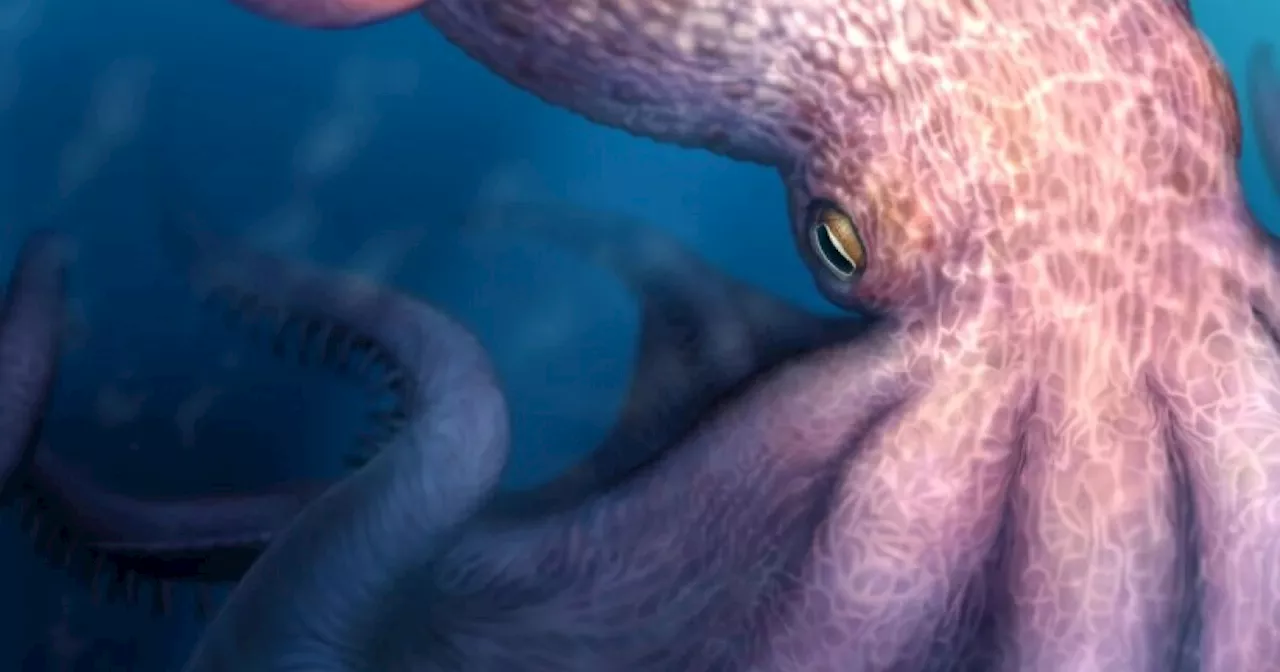
Scientists from Hokkaido University and Ruhr University Bochum have uncovered fossilized remains of giant octopuses that lived during the Late Cretaceous period, around 100 million years ago, revealing creatures possibly more than 60 feet long—a size surpassing the length of a school bus.
Using a cutting-edge technique called digital fossil-mining, researchers sliced through ancient concretions found on the seafloor in what is now northern Japan. They scanned and reconstructed thousands of fossil layers with the aid of an AI model, unveiling rare fossilized octopus jaws—one of the few hard parts these soft-bodied animals leave behind.
New Era in Understanding Ancient Ocean Predators
The jaws themselves, bearing a resemblance to bird beaks, included a lower jaw described as shovel-like and a smaller upper jaw. Researchers say the size of these jaws allows them to estimate the octopuses’ body sizes, indicating these ancient predators were enormous—far exceeding the modern giant Pacific octopus, currently the largest known species with an arm span of up to 16 feet.
“These jaws are the biggest ever found for an octopus,” explained lead paleontologist Urs Mutterlose. The creatures likely used their strong, elongated arms to capture prey, while the jaws chipped and scratched from crushing hard-shelled animals like shrimp, lobsters, and nautilus-like creatures.
Interestingly, the wear on the right side of the jaws was notably greater, suggesting an early form of single-sided jaw use. “This may indicate advanced brain development and intelligence in these ancient octopuses, traits we see in their modern descendants,” said lead author Katsuyuki Iba of Hokkaido University.
Deep Evolutionary Roots of Octopus Intelligence and Predation
Octopuses are known today for their intelligence and adaptability, but the fossil findings suggest these traits have deep evolutionary roots stretching back at least 100 million years. The Late Cretaceous oceans teemed with massive predators, including mosasaurs and the newly revealed giant octopus species, highlighting a complex and competitive ecosystem.
Dr. Mutterlose added, “Only a few fossil specimens can shed new light on the evolutionary history of these incredible creatures and the ancient marine biosphere.” The integration of new technology and collaboration between Japanese and German researchers sets a promising course for further discoveries in soft-bodied ancient animals.
Implications for Modern Marine Science and Paleontology
This breakthrough opens the door to reassessing how marine ecosystems operated millions of years ago, with octopuses possibly acting as apex predators alongside mosasaurs and giant fishes. It also challenges prior assumptions about fossilization limits for soft-bodied animals, signifying that more unprecedented fossils may yet be discovered beneath the seabed.
Why it Matters Now: As ocean ecosystems remain vulnerable today, understanding long-term evolutionary adaptations and predator-prey dynamics helps scientists predict future marine biodiversity trends and resilience.
Scientists are racing to apply similar digital and AI-driven fossil reconstruction techniques worldwide, promising a wave of new insights on extinct species that shaped our planet’s history.
“Our results suggest that remarkable traits like advanced intelligence and specialized predation strategies emerged early in octopus evolution,” said Katsuyuki Iba, lead researcher.
Stay tuned for further updates as researchers continue analyzing these fossils and potentially discover more startling evidence from the deep past of our oceans.