Three Rivers Avian Center Opens to Public Highlighting Shocking 52% Migratory Bird Decline
HINTON, W.Va. — The Three Rivers Avian Center in West Virginia has opened its gates to the public, drawing urgent attention to a startling 52% decline in migratory bird populations over the past two decades. The nonprofit organization, nestled in a sprawling 100-acre forest preserve, is racing to raise awareness and gather support as bird numbers dangerously dwindle nationwide.
Executive Director Wendy Perrone emphasized the critical situation during the center’s recent public tours. “If we can get people to understand what they can do in their day-to-day lives to help wild birds, we may be able to turn this disaster around,” Perrone said, highlighting the center’s dual mission of education and rehabilitation.
Public Tours Showcase Native Birds and Urgent Conservation Needs
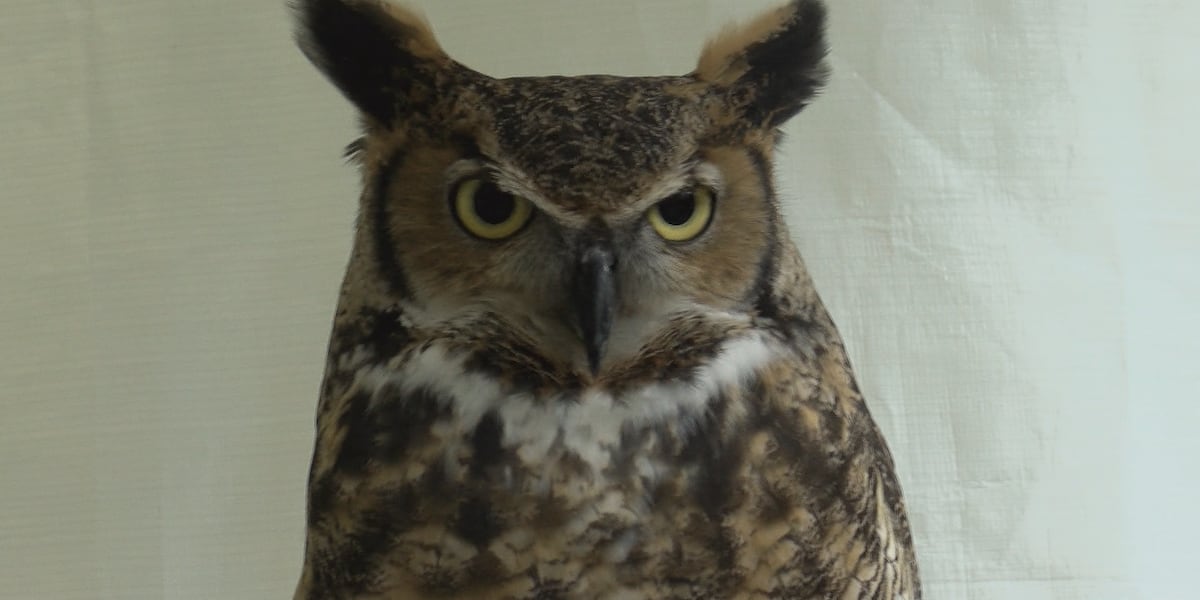
The center, founded in 1990, has become a sanctuary for injured and endangered birds native to the Appalachian region, including owls, crows, and majestic bald eagles. Visitors now have the rare opportunity to meet the facility’s 13 ambassador birds, such as Gimli and Hoolie, who serve as living reminders of the wildlife at risk.
“We’re very excited to welcome people to the preserve,” Perrone said. “Our hope is to keep busy all day educating families, bird watchers, and conservationists about the urgent challenges facing migratory birds.
Tours form a critical part of the center’s funding efforts, helping cover veterinary care and daily feeding costs through private donations and grants. Staff provide visitors with comprehensive reading materials and actionable advice to foster bird-friendly communities.
Bird Population Crashes Demand Immediate Action
The alarming 52% drop in migratory birds is a stark indicator of ecosystem distress with far-reaching effects across the United States. Declining bird populations affect pollination, insect control, and overall environmental health — concerns that resonate well beyond West Virginia’s borders to states like South Carolina and nationwide.
“We’ve lost more than half the birds that filled our skies 20 years ago — it’s an environmental crisis we must fix now,” added Perrone.
What’s Next for the Center and Conservation Efforts
The Three Rivers Avian Center plans to expand its open house events throughout the summer, aiming to engage more communities in wildlife preservation efforts. As migratory patterns shift due to climate change and habitat destruction, centers like Three Rivers play an essential role in rehabilitation and public education.
For residents in South Carolina and across the US, the message is urgent: simple changes in daily life, from reducing window collisions to conserving native plants, can help reverse the alarming bird decline and preserve vital ecosystems.
To support the center or attend future tours, visit the Three Rivers Avian Center website or follow their social media for updates and event schedules.
The SC Journal will continue to monitor this developing environmental story impacting bird populations nationwide.