Israel has significantly escalated its military operations against Iranian missile launch sites and factories, prompting a series of retaliatory strikes by Iran across the Gulf region. This ongoing conflict has disrupted energy supplies and travel in a growing crisis that has already claimed hundreds of lives.
On March 3, 2026, Israel conducted airstrikes targeting Iranian missile launchers in Tehran and Isfahan, which were reportedly aimed at crippling Iran’s military capabilities. In response, Iran launched a barrage of ballistic missiles at Israel, activating air raid sirens throughout the country. Although the intensity of these attacks has begun to wane, some missiles have breached Israeli defenses, resulting in the deaths of at least 11 people.
The conflict has raised concerns about its potential duration and the extent of U.S. military involvement. Former President Donald Trump suggested that the war could last weeks or longer, leaving open the possibility of deploying U.S. ground forces. He outlined four objectives for the military campaign: to dismantle Iran’s missile capabilities, neutralize its navy, prevent the development of nuclear weapons, and curtail Iran’s support for allied armed groups.
In his remarks, Trump indicated that the U.S. had specific individuals in mind to lead Iran post-conflict, though he acknowledged that many of those figures are now deceased. He noted that the ideal candidate might come from within the Iranian regime itself. Meanwhile, the Iranian leadership is under pressure to replace Ayatollah Ali Khamenei, who has ruled the nation for 37 years, with candidates ranging from hard-liners to reformists.
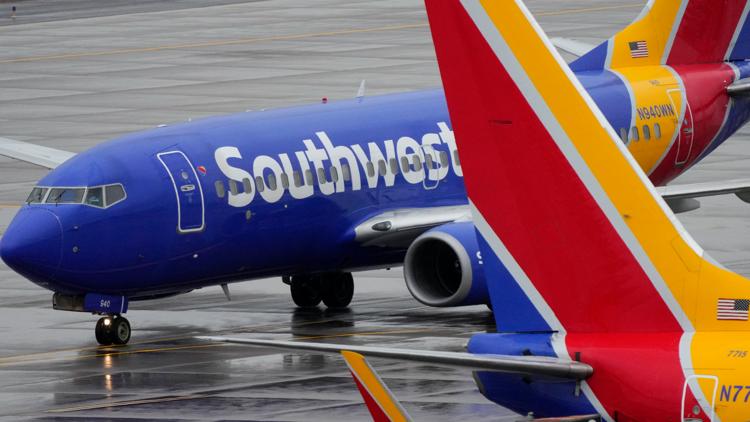
Reports from Iran indicate that communications have been severely hampered due to continuous airstrikes and strict media restrictions. Residents in Tehran have described the sound of explosions reverberating throughout the city. Local reports highlighted a damaged commercial aircraft at Bushehr airport following an Israeli airstrike.
In a significant escalation of hostilities, Iran’s military targeted the U.S. Embassy in Riyadh with drone strikes, causing a limited fire. The U.S. State Department subsequently ordered the evacuation of non-essential personnel from its embassies across the region, including Kuwait, Bahrain, Iraq, and Qatar.
Casualty figures have been staggering. According to the Red Crescent Society, the conflict has resulted in at least 787 deaths in Iran, while 40 people, including seven children, have died in Lebanon amid retaliatory strikes against Hezbollah. The U.S. military has confirmed the deaths of six American service members, along with additional casualties in the United Arab Emirates, Kuwait, and Bahrain.
The war, now entering its fifth day, has raised alarm bells across the region. The Israeli military’s operations have expanded into Lebanon, targeting Hezbollah positions, which further complicates the already volatile situation.
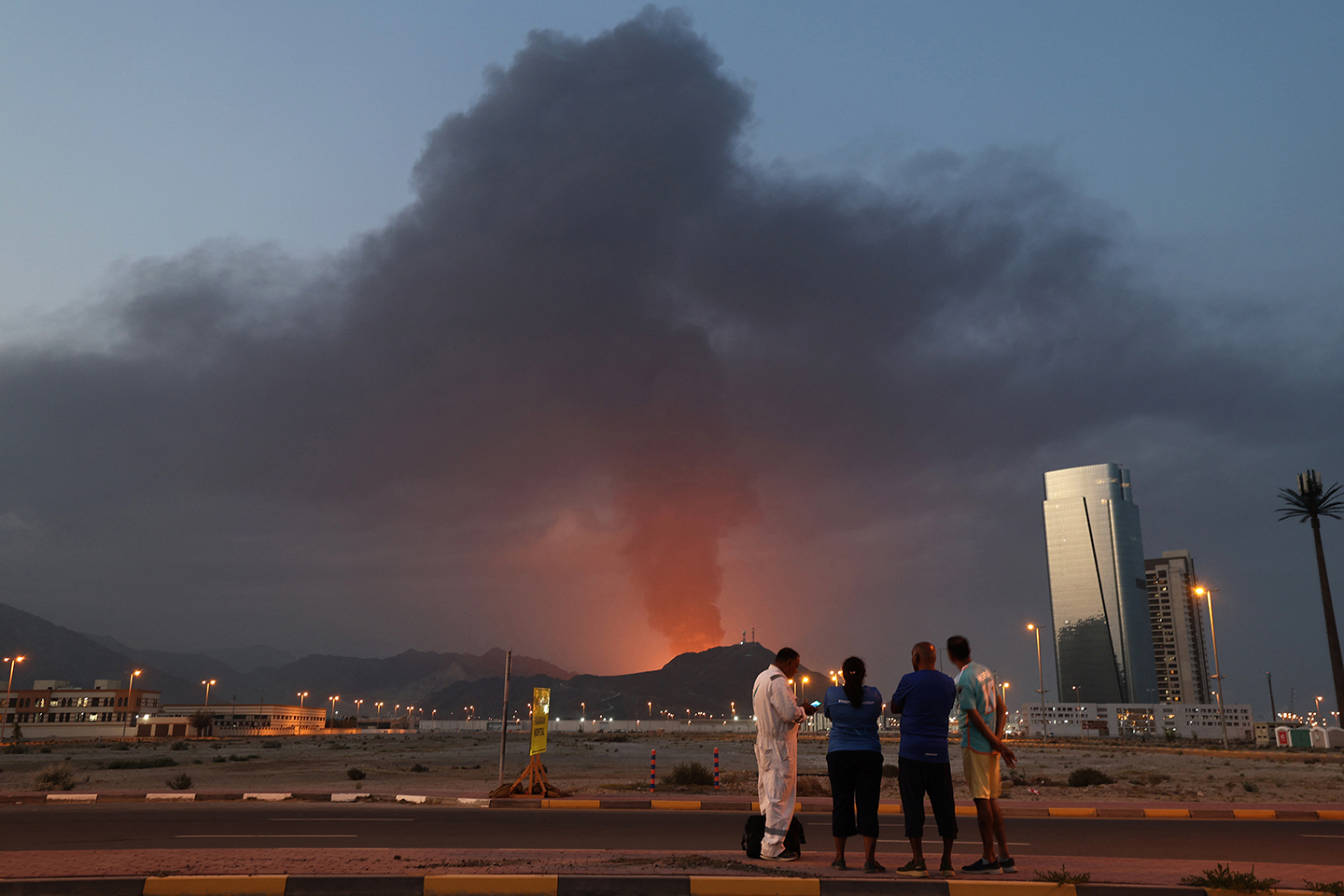
Iran’s retaliatory measures have extended beyond military targets, affecting various nations in the Middle East. Recent attacks included strikes on two Amazon data centers in the United Arab Emirates and energy facilities in Qatar and Saudi Arabia. Notably, Iran has threatened to close the Strait of Hormuz, a vital maritime corridor for global oil trade, warning that vessels passing through would be attacked.
As the conflict continues to unfold, the international community watches closely, apprehensive about the broader implications for regional stability and global economic impacts. The situation remains dynamic, with both sides demonstrating a willingness to escalate their military actions, raising concerns about the potential for a wider regional war.