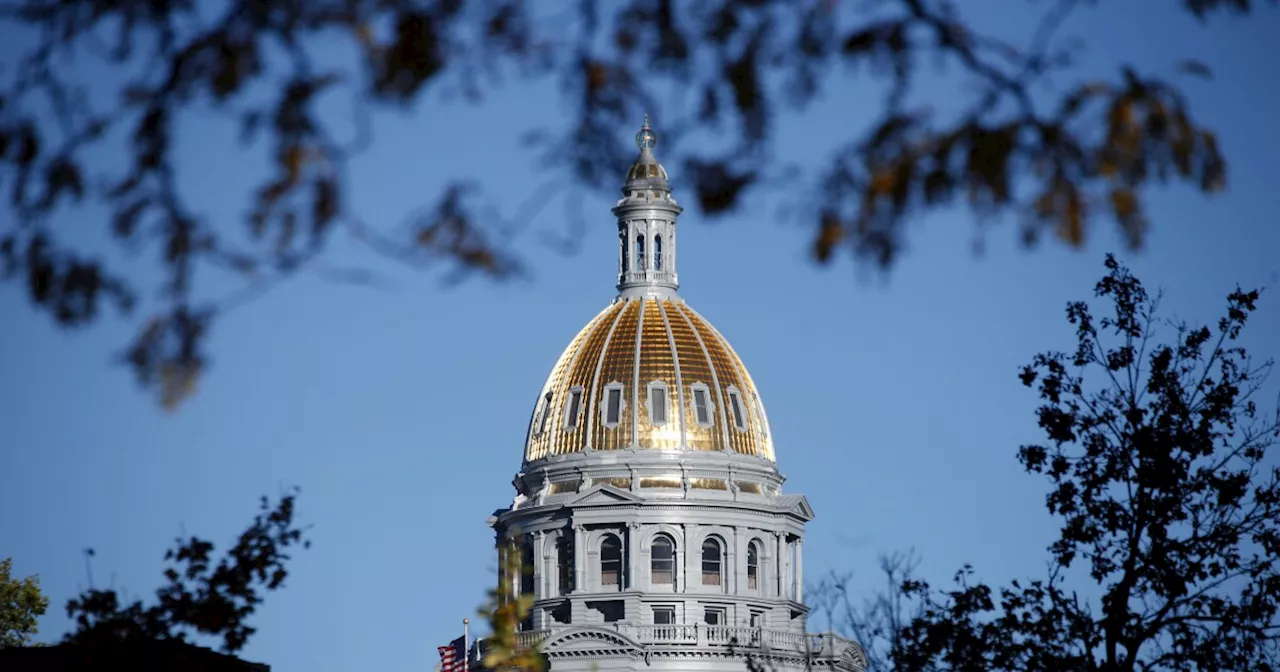
Colorado lawmakers ramp up state Capitol security amid growing political violence
Colorado state lawmakers are advancing a bill to overhaul Capitol security following a nationwide surge in violent attacks targeting political figures. The legislation, House Bill 26-1422, would establish a dedicated administrator of legislative safety to closely monitor threats and coordinate with security forces within the Colorado State Patrol.
The bill response is urgent, coming days after the third assassination attempt on former President Donald Trump was reported during a recent rally — the latest in a disturbing series of politically motivated attacks sweeping across the country.
New safety role to be a trusted liaison amid growing threats
According to bill sponsor State Rep. Chad Clifford, Democrat from Arapahoe County, the administrator will serve as an accessible and trusted presence on the Capitol floor. This person will review security threats daily, serve as a certified peace officer, and act as a key bridge between lawmakers and the State Patrol. Clifford emphasized the position is designed to better understand and anticipate conflicts or aggressive groups engaging with legislators.
“This person’s day-in and day-out job would be to know those things, not so cop-like with people, but understanding the legislation going through the building,” Clifford said.
The legislation also renames the current chief security officer role to sergeant at arms and explicitly broadens the Colorado State Patrol’s jurisdiction to include the governor’s mansion, enhancing protection measures statewide.
Expanded protections for officials and online privacy safeguards
House Bill 26-1422 extends the definition of “protected persons” to include elected officials, their staff, and judicial employees, allowing requests to remove their personal information from online sources. The bill creates civil remedies for noncompliance, aiming to reduce doxxing and harassment in a digital age.
Additional reforms aim to secure courthouses and streamline political transparency
The bill also establishes a courthouse security task force to recommend enhanced safety standards for court facilities. It requires sheriffs to log all individuals entering courthouses with firearms and expands retaliation protections to cover judicial employees.
Furthermore, the bill eases reporting burdens by allowing political committees to register using mailing addresses instead of physical street addresses. It removes mandatory online posting of candidate disclosure statements and relaxes requirements for officials’ financial disclosures related to real property.
National wave of violence pushes states to upgrade protection
The Associated Press reports state capitols nationwide are upgrading security after a string of chilling events, including the assassination of Minnesota House Leader Melissa Hortman last June and the killing of conservative activist Charlie Kirk this September in Utah.
Other recent incidents include the arson attack on Pennsylvania Governor Josh Shapiro’s home, the 2026 assassination attempt on Donald Trump at a Pennsylvania rally, and a brutal hammer assault on the husband of then-House Speaker Nancy Pelosi at their California residence in 2022.
Colorado’s proactive legislation comes as officials nationwide seek urgent solutions to protect elected leaders and public servants amid escalating threats and attacks.
The bill is expected to pass comfortably during this session, signaling bipartisan support for strengthened safety protocols in a tense political climate.
What’s next?
With lawmakers poised to finalize these changes soon, South Carolina and other states face growing pressures to evaluate their own security frameworks for elected officials and judicial staff. Heightened vigilance and reforms like Colorado’s could become national standards as political violence continues to threaten American democracy.
Stay with The SC Journal as this critical story develops and more states respond to the urgent call for safety in government.