Doctor Warns AI Falls Short in Real-Life Patient Assessments
Dr. Danielle Ofri, a seasoned primary care physician in New York, reveals the glaring gap between artificial intelligence and human clinical judgment that is impacting patient care RIGHT NOW. In a vivid account, she describes how AI tools—though helpful for data crunching—fail to capture the unique, complex realities of individual patients sitting in front of doctors every day.
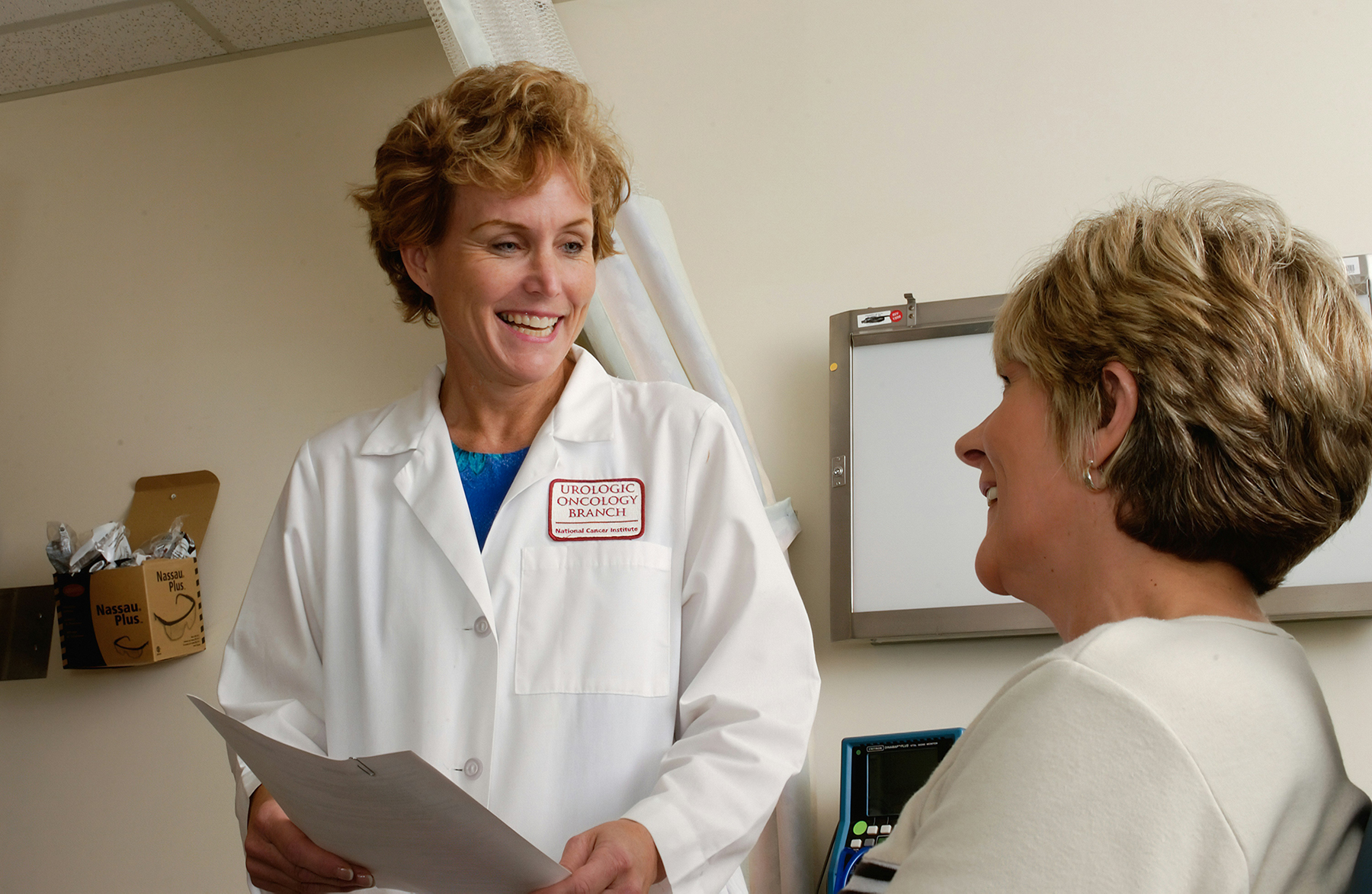
Using a recent example of an 86-year-old man suffering from heart failure, diabetes, and gout, Dr. Ofri explains that AI systems analyze patients based on generalized databases and typical case profiles. But when she first saw her patient in the waiting room, subtle cues in his breathing and facial expression prompted her to admit him immediately—an insight no AI could replicate.
AI Misses Human Complexity, Doctor’s Instinct Saves Lives
“There’s an ocean of distance between the ‘patient’ AI analyzes and the one we see in the room,” she states. AI lacks the ability to assess emotional, social, and personal factors that profoundly influence health. For instance, this patient’s declining kidney function was tied closely to a devastating family crisis that altered his eating habits, a nuance AI systems cannot detect.
While AI swiftly generated treatment templates and clinical suggestions—including the possibility of dialysis—only Dr. Ofri and her team could weigh what therapy would genuinely improve—or degrade—this patient’s quality of life.
Her experience highlights a critical urgency in healthcare: AI’s impressive speed and pattern recognition can never replace the “wisdom” gained through human interaction, trust, and years of experience with patients in primary care settings. These insights often guide clinicians to navigate ambiguity and conflicting health data, something AI is not equipped to do.
Why Medical Humanities Matter as AI Advances
The doctor stresses the importance of teaching upcoming clinicians not just to rely on AI’s vast information processing but to develop empathy, cultural competence, and an understanding of how social challenges affect health. “Clinical medicine is anything but certain,” Dr. Ofri writes, underscoring that grappling with uncertainty is where human judgment and the medical humanities excel.
Training programs nationwide face the urgent task of balancing AI skills with humanistic approaches that empower doctors and nurses to read beyond charts and numbers — to the lives and struggles behind them.
Implications for South Carolina and Nationwide Healthcare
As AI tools become widespread in US healthcare systems, including here in South Carolina, Dr. Ofri’s insights serve as a crucial reminder: technology is a tool—not a replacement—for patient-centered medicine. For thousands of South Carolina residents who depend on primary care, the human touch remains indispensable for truly holistic and effective healthcare.
The challenges faced by clinicians like Dr. Ofri also echo across the country, where physicians manage growing patient loads combined with complex social and emotional realities. AI may accelerate diagnosis and paperwork, but high-stakes treatment decisions remain profoundly human choices.
What’s Next in AI and Medicine?
Healthcare providers must continue integrating AI cautiously, emphasizing its role as an aid rather than an authority. Meanwhile, developing educational programs that blend AI literacy with medical humanities will be essential to preparing clinicians who can thrive in this new hybrid model of care.
For now, Dr. Ofri’s story proves one truth: the faintest changes in a patient’s expression or breathing pattern can be a lifeline better read by a human doctor’s eyes than any algorithm—right here, right now in clinics across the United States.
“A.I. can be a useful prop in the patient’s story, but the character study remains an indispensable part of accurate diagnosis and effective treatment.” — Dr. Danielle Ofri