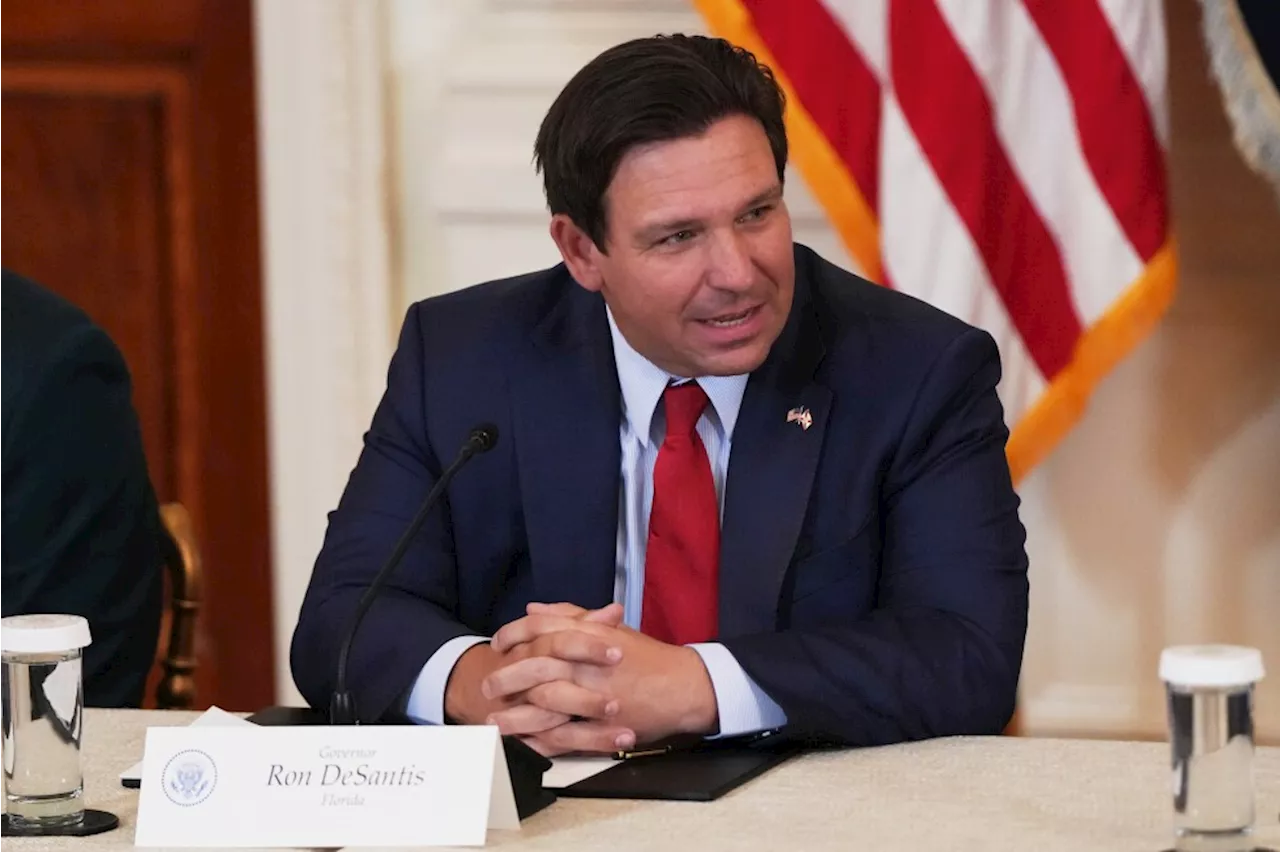
Florida Governor Ron DeSantis is back in the national spotlight as he aggressively pushes for a new congressional map aimed at delivering Republicans four additional seats in the U.S. House before the crucial November midterm elections.
The special legislative session starts Tuesday in Tallahassee, giving DeSantis one of his final chances in his second term to reshape Florida’s political landscape and signal his ongoing role as a possible future leader of the Republican Party.
DeSantis’ controversial redistricting plan seeks GOP edge
DeSantis unveiled a proposed congressional map on Monday that targets Democratic strongholds around Orlando and Tampa Bay, while concentrating Democratic voters in fewer districts in South Florida. If passed, the new map would shift the current Republican-to-Democrat House advantage from 20-8 to 24-4.
The plan could unseat prominent Democrats including Jared Moskowitz and Debbie Wasserman Schultz, stirring intense opposition. Critics warn that aggressively redrawing districts might backfire by creating more competitive seats vulnerable to Democratic pickups—especially amid potential voter backlash after Donald Trump‘s 2024 performance.
Still, DeSantis argues the 2020 census undercounted Florida’s population, justifying the need for redistricting that better represents the state’s growth and Republican base.
Internal Republican tensions and high stakes ahead
While House Speaker Daniel Perez and Senate President Ben Albritton have publicly deferred to DeSantis, the political dynamics in Tallahassee are complicated. Albritton has reminded senators that redistricting must conform to the state constitution’s limits against overtly partisan maps, raising the possibility of pushback or delays.
On other political fronts, DeSantis is also fighting to tighten regulations on artificial intelligence—requiring parental controls for minors interacting with chatbots—and pursue vaccine exemptions based on conscience, an initiative stalled previously in the House.
Such measures could deepen divides within the Republican Party, especially between DeSantis and Trump supporters. Though Trump is barred from running in 2028 due to term limits, his continued influence looms large, and DeSantis faces potential rivals like Vice President JD Vance and Secretary of State Marco Rubio in any future GOP presidential primary.
Flashpoint in GOP rivalry with national implications
DeSantis answered Democratic House Minority Leader Hakeem Jeffries’ challenge to hold a special session with pointed defiance, famously inviting Jeffries to Florida for a fishing trip at the governor’s mansion—an early sign of DeSantis’ renewed political boldness.
Still, political analysts caution the window for DeSantis to claim national leadership is narrow, with some Republican insiders wary about the risks of an aggressive redistricting play.
“The window for Ron looks reasonably narrow at this point,” said Whit Ayres, DeSantis’ former pollster, underscoring the high-stakes nature of this week’s session.
As the session unfolds, all eyes are on the balance of power in Florida, which remains a pivotal state that can shift control of the U.S. House. For DeSantis, the fight is as much about shaping the map as it is about reasserting his political relevance on the national stage.
Florida’s redistricting battle will be a critical barometer of Republican strength heading into midterms, with consequences stretching across the Southeast and the country.