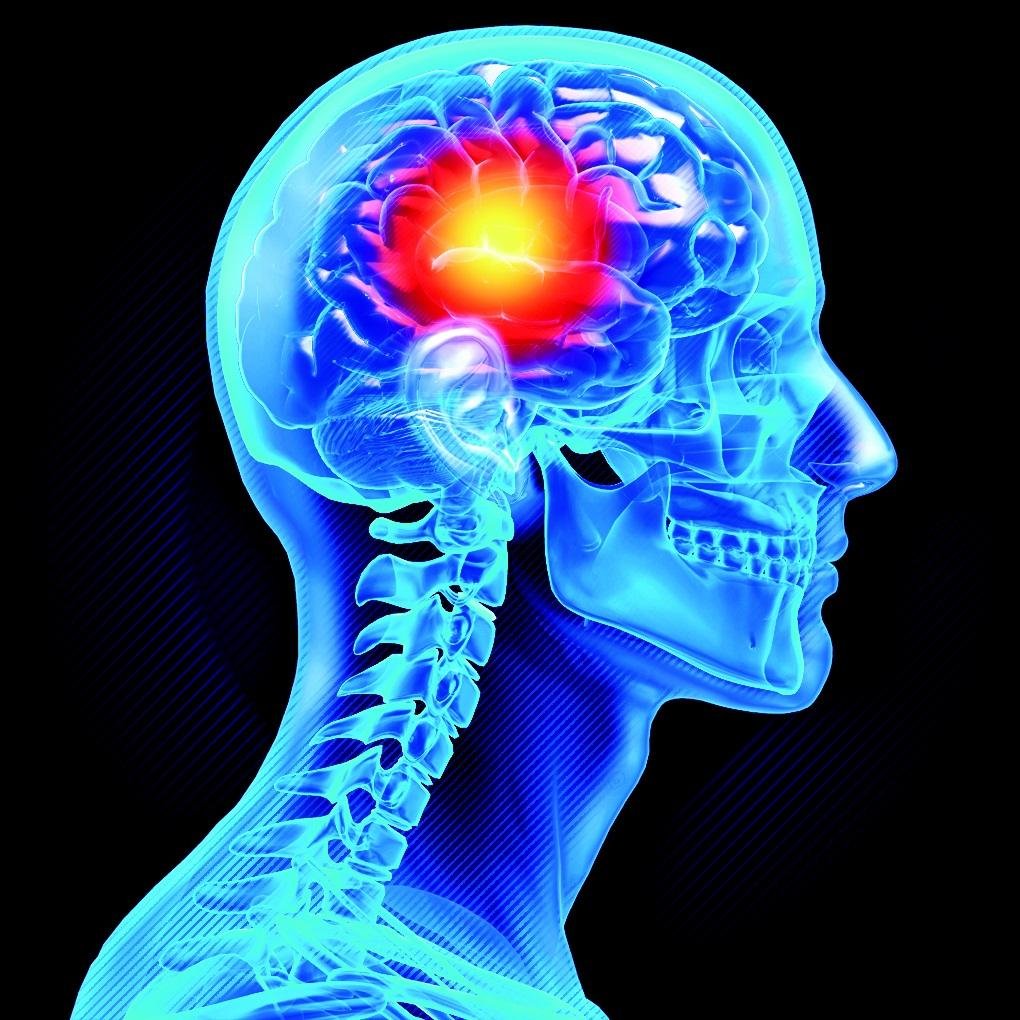
Mental and invisible health conditions are exacting an urgent, often overlooked toll on millions across South Carolina and the United States today. Unlike visible injuries like broken bones or cancer treatments, many struggle silently with health problems that show no outward signs—creating a dangerous isolation that worsens their burden.
Shirley, a mental health advocate and author, shares her firsthand journey navigating both visible and invisible health challenges, revealing crucial insight into why mental health conditions are sometimes called the “no casserole” illnesses. Unlike physical ailments that prompt immediate sympathy and support with visible signs or tangible needs, invisible illnesses frequently face misunderstanding or outright skepticism.
Invisible Illnesses Lack Visible Signs but Demand Urgent Attention
Shirley recalls breaking the fifth metatarsal (Jones Fracture) and enduring a long, visible recovery: 14 weeks non-weight bearing, requiring a wheelchair and knee scooter. “You could see me a block away,” she says. In contrast, her daughter struggles daily with Ehlers Danlos Syndrome, a connective tissue disorder that causes debilitating joint pain but leaves no external clues. This invisibility creates an exhausting public expectation to “act fine” despite severe pain or dysfunction.
Similarly, mental health conditions like depression, anxiety, and obsessive suicidal ideation sap energy to the point where just “looking okay” requires extraordinary perseverance. These struggles are invisible yet equally devastating, with sufferers often unable to explain how drained they feel or why they must withdraw from social events, leading to isolation at the worst times.
Public Misunderstanding Intensifies the Burden of Invisible Conditions
Invisible conditions often trigger harsh responses from others who cannot see the illness. A friend with a handicap parking permit shared incidents of being yelled at for “faking” disability. Shirley emphasizes the lack of typical community support like rides, meals, or empathetic casseroles common with visible illness. Mental health challenges are especially subject to stigma and silence.
“We are the only ones who have the lived experience of our situation. Others cannot guess,” Shirley says, urging those who suffer to seek support actively.
She advocates for radical honesty and self-advocacy—clearly communicating specific symptoms and setting boundaries. For example, declining outings to rest or requesting “just listen” conversations without unsolicited advice can be life-changing. Maintaining flexibility with plans and embracing coping tools like mindfulness or therapy can also reduce overwhelm.
Actionable Strategies Offer Hope for Those Fighting Invisible Conditions
Shirley outlines essential steps for those facing invisible health battles: first, seek who will truly listen and validate your pain. Many suffer alone because they haven’t shared their story. Connecting with friends, family, support groups, or spiritual communities can rebuild vital networks of understanding.
Second, become a clear self-advocate by describing symptoms in detail and defining health limits without apology. Third, cultivate a toolkit of personal coping strategies tailored to your condition. Finally, educate yourself and those around you so that awareness replaces ignorance and empathy replaces suspicion.
This guidance applies strongly to South Carolinians and Americans nationwide, where mental health conditions affect one in five adults yet remain shrouded in stigma. According to the National Alliance for Mental Health, “They cannot know until they know.” Increased public awareness and personal courage are critical to closing that gap.
Why This Matters Now
Millions are currently navigating this invisible epidemic at home and work—affecting productivity, relationships, and quality of life. As Shirley highlights, these conditions demand immediate visibility and compassionate action. South Carolina’s healthcare providers, employers, and communities must recognize that silent suffering is still suffering.
The message is clear and urgent: invisible health conditions, including mental illness, deserve our immediate attention, understanding, and support. Silence only deepens isolation; sharing and advocacy can illuminate paths to healing and belonging.
For more information or to connect with Shirley, readers can contact her at [email protected].