Iran Seizes Two Foreign-Flagged Tankers in Heightened Naval Conflict
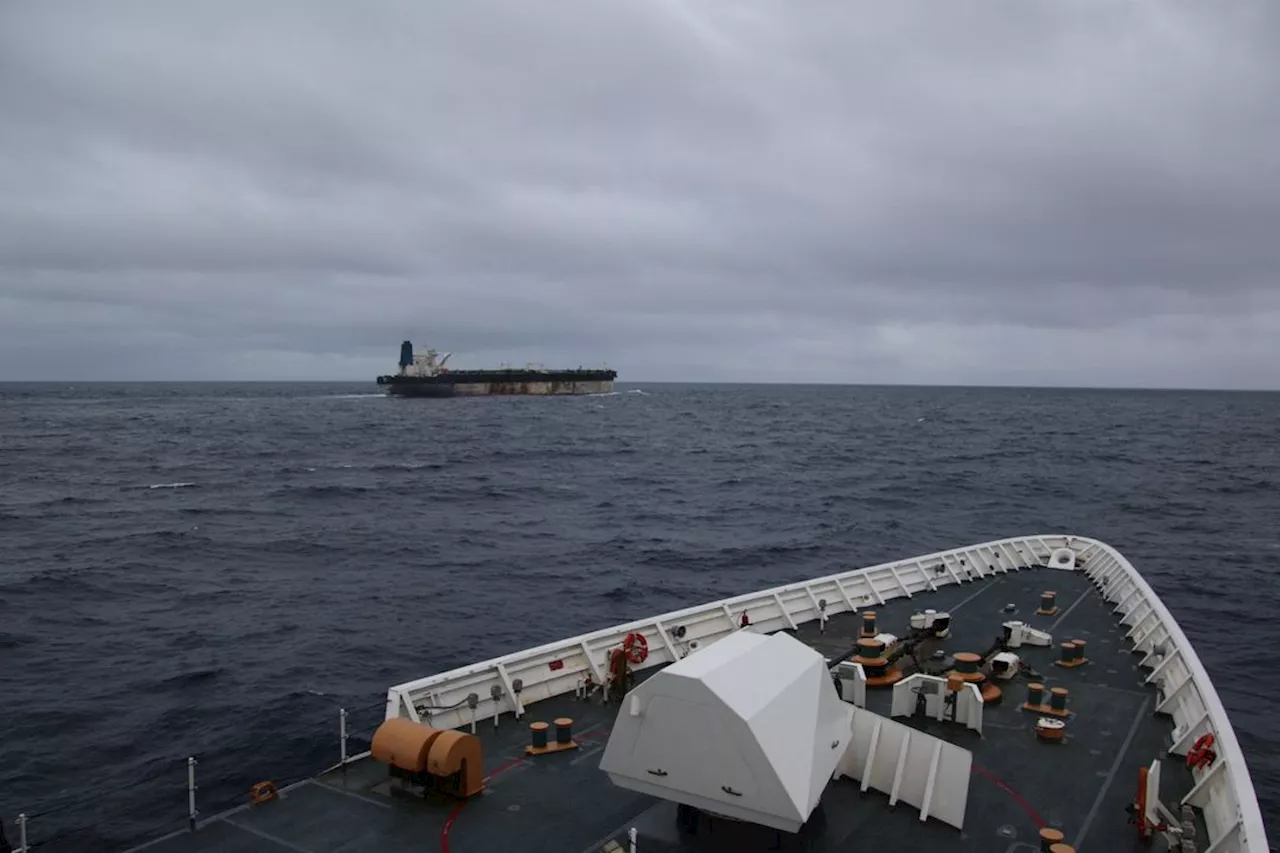
Iran’s Revolutionary Guard has seized two oil tankers sailing under foreign flags in a move escalating tensions with the United States and Israel. The vessels, Panama-flagged MSC Francesca and Liberia-flagged Epaminondas, were detained for alleged maritime violations, marking a significant escalation in the ongoing US-Israel conflict against Iran.
The seized ships were transferred to Iranian shores after Tehran accused them of breaching maritime regulations and interfering with navigation systems in the Strait of Hormuz, a critical global oil transit chokepoint that Tehran has controlled since the war began on February 28. This control has allowed Iran to stop oil tankers and container ships passing through the waterway.
In response, the US imposed a naval blockade on Iranian ports starting April 13, intensifying the maritime standoff. Both countries have seized vessels during this conflict, but the ships’ identification by their flags often obscures the true owners behind them.
Flags of Convenience Hide True Ownership Amid Conflict
Most oil tankers operate under so-called flags of convenience (FOCs)—registrations by countries like Panama, Liberia, and the Marshall Islands that offer lax regulations and lower costs. Estimates indicate 75–80 percent of the global merchant fleet sails under these flags.
Shipowners opt for these registrations to evade stricter oversight on taxes, labor laws, environmental standards, and safety inspections common in traditional maritime nations like the UK and EU. This includes avoiding harsh climate regulations and hefty carbon emission fines.
The system also creates significant opacity around vessel ownership. The actual beneficial owners who control and profit from these ships are often hidden behind layers of shell companies spread across various jurisdictions, delaying accountability during incidents like seizures or oil spills.
Sanctions Evasion and Flag-Hopping Complicate Enforcement
Entities linked to sanctioned countries such as Iran, Venezuela, and Russia use this opacity to run “shadow fleets” — tankers that frequently change flags and identities to evade detection and enforcement. The practice known as “flag-hopping” makes it difficult for authorities to interdict illicit oil shipments.
A recent example involved the Panama-flagged Bella 1, later renamed Marinera, which changed its flag mid-pursuit from Panama to Russian registration while fleeing US naval forces in the Atlantic. The US ultimately seized it on January 7 for sanctions violations tied to Iranian and Venezuelan oil.
Why This Matters for Global and US Security
The maritime battles around the Strait of Hormuz have immediate global consequences. The strait is one of the world’s busiest oil gateways, and disruptions risk skyrocketing oil prices and widespread supply chain ripple effects.
For US policy, the situation reveals the complexity of enforcing sanctions and maintaining maritime security when ownership and control are obscured behind convenient flags. This ambiguity complicates efforts by the US Navy and Coast Guard to uphold sanctions and protect shipping lanes critical to the global economy.
The ongoing conflict between the US and Iran threatens to escalate further as both sides seize vessels and intensify blockades. Observers in South Carolina and across the US—the nation’s deepwater ports rely on stable energy supplies—should watch for continued developments in maritime security and geopolitics.
Next Steps: Escalation Risk and Enforcement Challenges
Iran’s control over strategic shipping routes and use of flag-hopping tactics to evade sanctions will keep the US Navy on high alert. The US government and allied navies are likely to increase patrols and inspections to deter illicit oil trades and safeguard freedom of navigation.
Meanwhile, international calls for improved transparency in ship registries grow louder to curb the use of flags of convenience as shields for sanction violations or environmental negligence. How these policies evolve will directly impact the safety and regulation of global maritime trade moving forward.