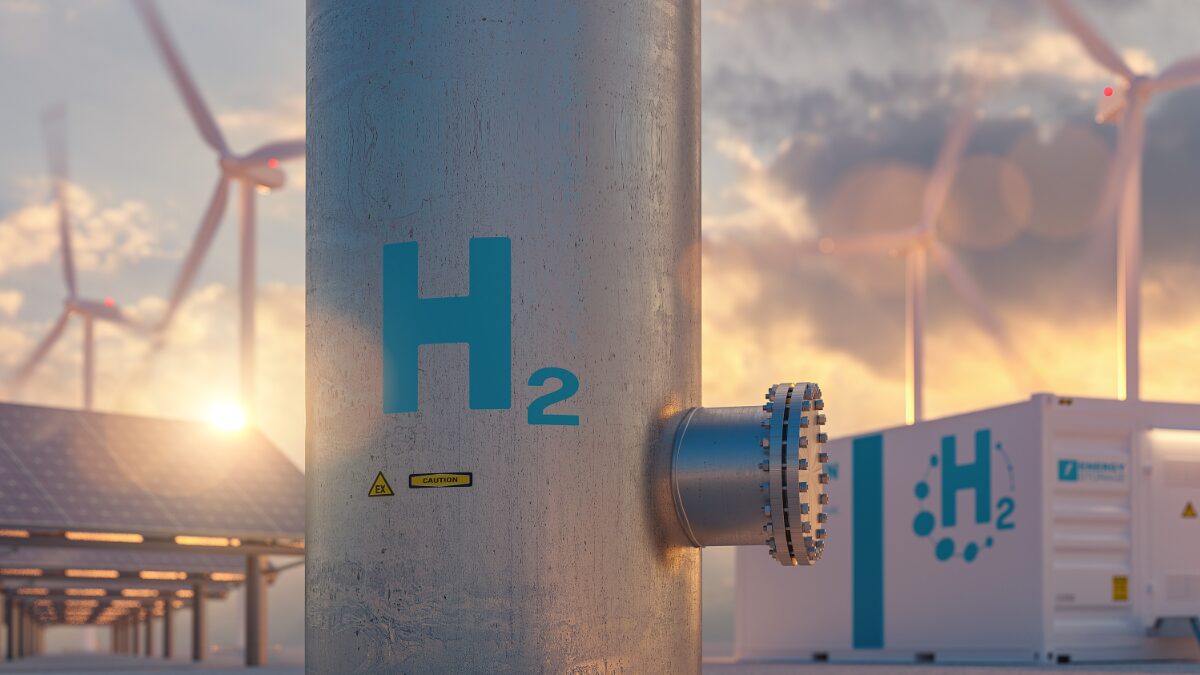
NTPC Green Energy Limited (NGEL), a subsidiary of India’s largest power producer NTPC Limited, has officially opened bidding for a cutting-edge Hydrogen Refueling Station (HRS) project in Kandla, Gujarat. The tender, NGEL-CS-H2-GUJARAT-001(R), outlines a fast-moving opportunity for qualified domestic firms to take part in India’s leap toward clean fuel-based mobility. Bids must be submitted by May 21, 2026, at 3:00 PM IST.
This project forms a crucial segment of the Green Hydrogen Mobility Project aimed at replacing fossil fuels with hydrogen-powered alternatives. The winning contractor will execute the project on a turnkey basis, encompassing design, engineering, procurement, construction, testing, commissioning, and providing operation and maintenance services for 10 years. This long-term commitment underscores NGEL’s focus on reliability and sustainability.
Technical Scale and Requirements
The hydrogen refueling station will integrate a 210 kg per day hydrogen electrolyser, supplied separately by the project owner. Produced hydrogen will be compressed at 500 bar pressure using a system capable of handling 20 kg per hour. Storage will utilize cylinder cascades capable of holding up to 540 kg of hydrogen at 500 bar, with dispensing equipment designed to fuel 11 fuel cell electric vehicles (FCEVs) at 350 bar pressure simultaneously.
Additional infrastructure includes a nitrogen generation system essential for purging, advanced fire safety and suppression mechanisms, and a centralized control platform driven by SCADA/EMS systems for seamless station monitoring and operation. This comprehensive setup is set to position Kandla as a vital node in India’s hydrogen mobility landscape.
Bidding Criteria and Financials
Tender eligibility requires bidders to be Indian companies classified as Class-I or Class-II suppliers. Prior experience in hydrogen refueling stations, process industries, or CNG station development is mandatory. Financial benchmarks include a minimum average annual turnover of ₹59 crore over the last three years and a net worth at least equal to paid-up share capital.
Additionally, bidders must have experience as EPC contractors with energy contracts valuing at least ₹47 crore. An Earnest Money Deposit (EMD) of ₹1 crore (~$1.2 million USD) is mandatory, signaling the seriousness and scale of this project. Bids will be evaluated via a two-envelope system separating technical and financial proposals.
Critical Deadlines and Next Steps
The tender was issued on May 1, 2026. Prospective bidders must submit all queries by May 11, 2026. Technical and commercial bid openings will occur on May 22, 2026, at 4:00 PM IST. Given the tight timelines and high stakes, this process demands swift action from interested contractors.
South Carolina and U.S. readers watching the energy transition will recognize this move as part of a global wave toward hydrogen innovation, potentially signaling new opportunities for technology collaboration and infrastructure modeling. Hydrogen refueling networks like this are emerging worldwide as clean energy solutions gain urgency amid climate crises and fossil fuel volatility.
Why This Matters Now
As states and nations push for zero-emission transportation, this project accelerates India’s hydrogen mobility ecosystem, setting benchmarks for large-scale refueling infrastructure. For investors and energy stakeholders monitoring global clean tech markets, the Kandla station bid represents a tangible step in enabling hydrogen-powered vehicles—a sector poised for rapid expansion.
“The launch of this hydrogen refueling station tender aligns with our vision of a sustainable energy future and catalyzes domestic manufacturing and expertise,” said an NGEL spokesperson.
The initiative offers a blueprint for American clean energy developers and policymakers in South Carolina, illustrating the infrastructure scale and financial rigor involved in hydrogen transitions. Follow The SC Journal for updates on how global hydrogen projects influence U.S. policy and investment trends.