Suspect in Palisades Fire Idolized CEO Killer and Targeted Wealth
New court documents reveal Jonathan Rinderknecht, accused of starting the devastating Palisades fire, was motivated by deep resentment toward the wealthy and admired Luigi Mangione, the man charged with killing a United Healthcare CEO. This insight sheds light on the emotional fuel behind one of the costliest fires in U.S. history, which claimed 12 lives and destroyed over 6,500 structures in the Pacific Palisades and Malibu areas.
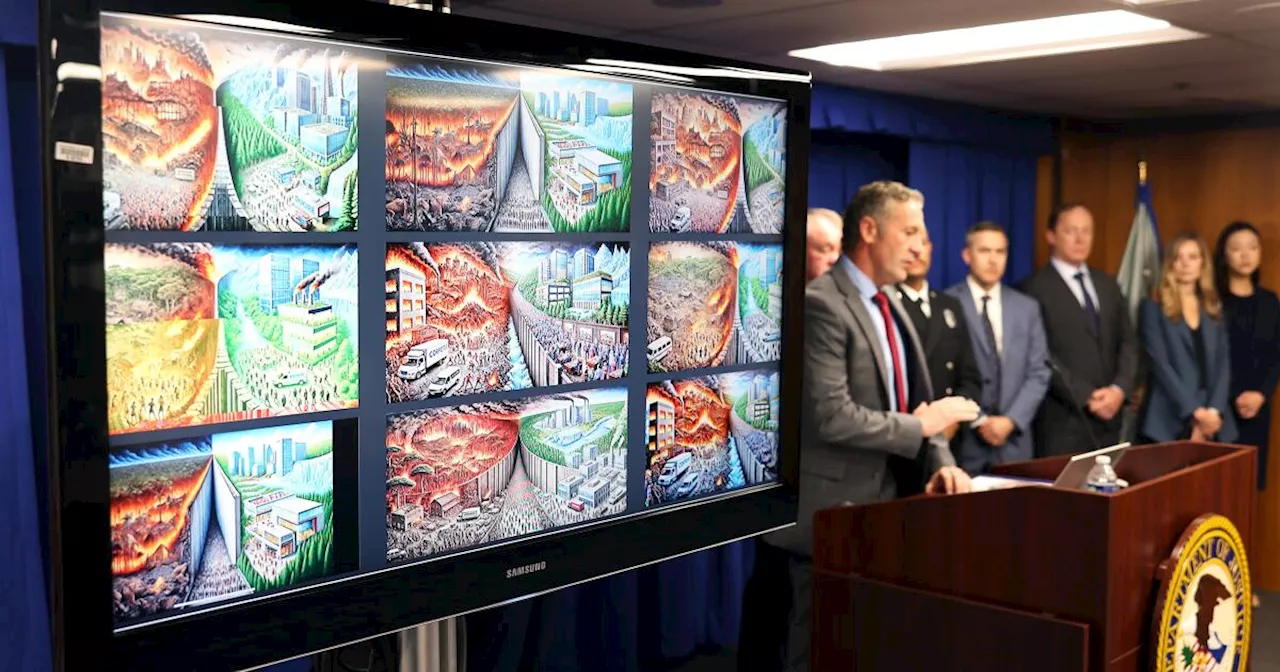
Federal prosecutors unveiled extensive digital evidence showing Rinderknecht’s disturbing mindset. A forensic analysis of his computer found searches like “Free Luigi” and the incendiary phrase “reddit lets kill all billionaires” conducted just weeks before the fire ignited. The Lachman fire, which initially smoldered underground on January 1, escalated dramatically after strong winds on January 7, spawning the catastrophic Palisades blaze.
Evidence Links Rinderknecht’s Anti-Wealth Ideology to Fire Start
Witnesses described Rinderknecht’s erratic behavior hours before the fire, including loud expressions of anger at capitalism, accompanied by references to Mangione as a Robin Hood-like figure. According to prosecutors in a 25-page brief, Rinderknecht suffered personal setbacks earlier that year and experienced a sudden emotional upheaval after rejection on December 30. This triggered frantic voicemails, lamentations to ChatGPT, and obsession with an ex-lover, fueling his volatile state.
Adding to the portrait of his mindset, investigators reported Rinderknecht was listening to a French rap song with vivid fire imagery—a symbol of his despair and bitterness. His phone data placed him near the Lachman fire’s origin at the exact time of the initial 911 call, contradicting his account. Crucial physical evidence includes a BIC lighter with his DNA found in his car, which he acknowledged carrying on nearby hiking trails.
Investigators tracked Rinderknecht’s movements through his phone and Uber records, placing him at the fire scene multiple times, including moments when firefighters were battling the blaze. Surveillance videos captured him commenting ominously about “impending consequences” for others days before the fire. The Bureau of Alcohol, Tobacco, Firearms and Explosives (ATF) led the investigation, culminating in Rinderknecht’s arrest eight months after the fire.
Legal Challenges and Defense Position
Legal expert Neama Rahmani has noted the government’s case relies heavily on circumstantial evidence, highlighting difficulties in proving motive through Rinderknecht’s personal grievances, political ideology, and admiration of Mangione. The defense attorney, Steve Haney, insists the prosecution lacks concrete evidence directly linking his client to the fire’s start.
The Pachalis fire’s impact remains profound, with billions of dollars in damages and insurance claims looming large, devastating communities in California and sparking national conversations on wildfire prevention, mental health, and the volatile intersection of social resentment and violent acts.
What’s Next?
Authorities continue to build their case, with the trial expected to unravel the complex motives behind one of America’s deadliest modern wildfires. Residents and officials nationwide are watching closely as this case could influence wildfire security protocols and legal responses to ideologically driven crimes.
The SC Journal will keep readers updated as new developments emerge from court proceedings and official investigations unfold.