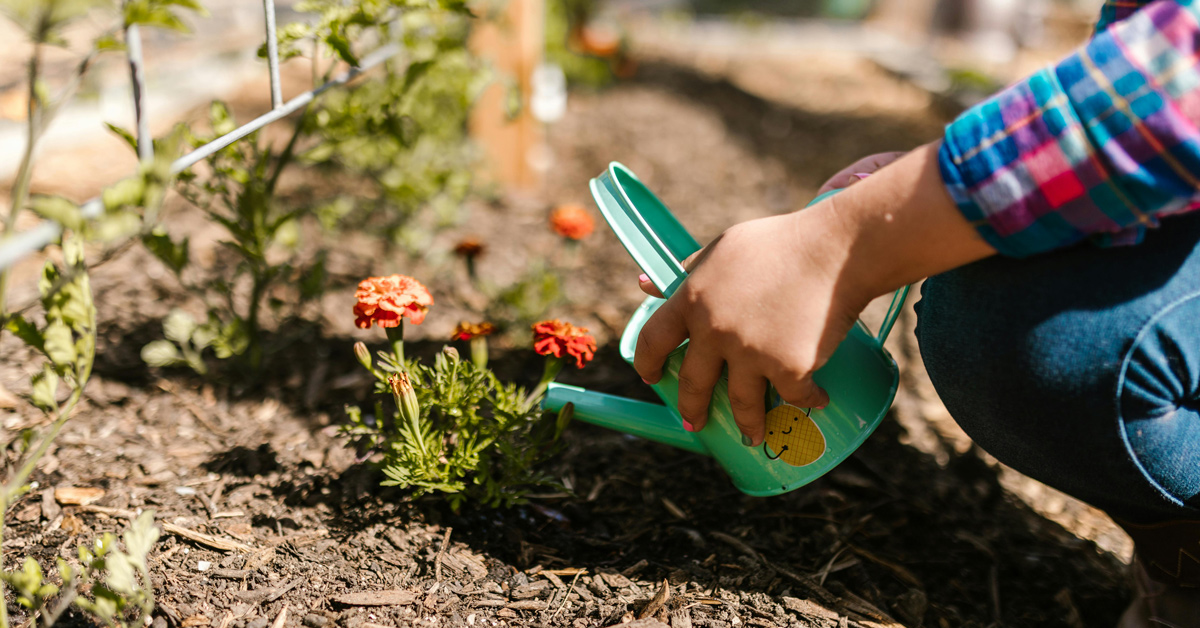
NEW FINDINGS: School gardens are transforming how students across the United States view the environment and science, according to recent research from Oklahoma State University. The benefits go far beyond just learning how food grows—students develop positive attitudes toward nature, improve science literacy, and become more active both inside and outside school.
As America sees less direct involvement in farming—with less than 2% of the population now living on farms, down from 80% when the country was founded—school gardens emerge as vital hands-on classrooms reconnecting students to agriculture and food systems.
Gardens Boost Environmental and Academic Outcomes
Research led by Shelley Mitchell, an agricultural extension specialist, reveals school gardens engage students in science experiments daily. Variables like water, temperature, and sunlight become living lessons as kids see how these elements affect plant growth. This practical approach rapidly builds science process skills and encourages curiosity-driven learning.
Students in school gardens sit only about 15% of class time, a stark contrast to the 84% that children typically remain seated indoors. This boost in physical activity ties directly to improved focus and retention of scientific concepts. Most importantly, students involved in gardening increase their vegetable consumption, improving nutrition habits immediately.
Positive Shifts in Attitude and Behavior
The study confirms that greater freedom in garden activities increases students’ positive feelings about school. Taking ownership and experimenting with gardens fosters life skills such as teamwork, patience, responsibility, and confidence. Children also show improved attitudes toward the environment and science, essential for nurturing future STEM professionals.
“Gardening is a science experiment,” Mitchell said. “Students learn firsthand how their decisions on watering and sunlight directly impact results, creating a deep understanding that passive learning can’t match.”
Barriers Remain Despite Growing Evidence
Despite clear benefits, many schools struggle to establish garden programs. Teachers often cite lack of time, funding, and confidence in gardening knowledge as major hurdles. School administrators sometimes resist due to concerns about space and aesthetics, fearing gardens appear messy or encroach on play areas.
Mitchell stresses that the natural “messiness” of gardens is crucial for learning: “When students see the real consequences of their gardening choices, they learn resilience and problem solving. Cleaned-up gardens deny those vital lessons.”
National Programs Aim to Close the Agriculture Gap
Addressing widespread agriculture illiteracy, the U.S. Department of Agriculture formed a task force in 1981 which led to the National Agriculture in the Classroom program. This initiative equips educators nationwide with tools to integrate agricultural lessons, including gardening, into everyday teaching—helping young Americans reconnect with farming roots long since lost.
For states like South Carolina, where agriculture plays a major economic role, school gardens could be key to developing a new generation that understands—and supports—the local food system and farming community.
What’s Next: Expanding Garden Access and Support
Experts urge schools and districts to prioritize garden programs as essential educational tools, especially as policymakers emphasize STEM and environmental literacy. Increased funding, professional training for teachers, and community volunteer involvement are critical to overcoming current barriers.
With the growing evidence that school gardens improve physical health, academic performance, and environmental stewardship, the push to plant more gardens nationwide is gaining urgency—transforming how children learn about food, science, and their role in sustaining the planet.
“Nothing beats a garden-grown tomato,” Mitchell said, highlighting the deep connection students develop with their food through hands-on learning.
As more schools adopt gardening, South Carolina and the broader US stand to benefit from a healthier, more scientifically literate, and environmentally conscious generation—ready to tackle future challenges with curiosity and confidence.