AI Unveils Face of Pompeii Victim Caught in Mount Vesuvius Disaster
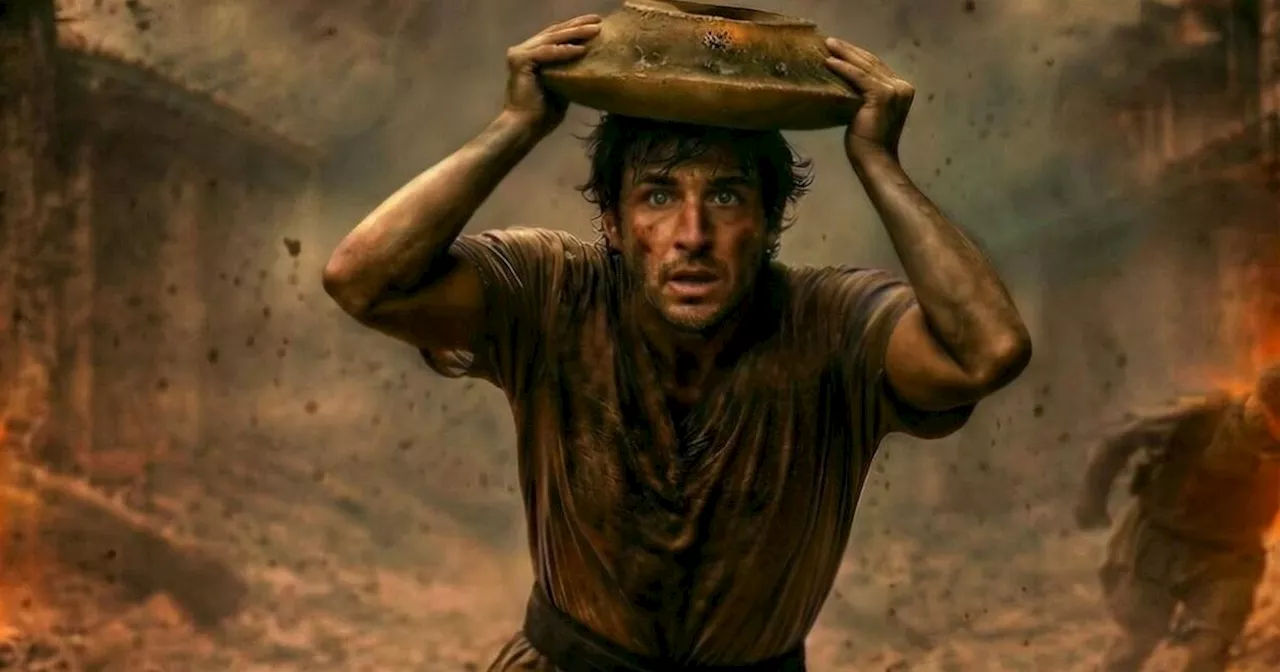
Pompeii archaeologists have used artificial intelligence for the first time to reconstruct the face of a man who perished while trying to escape the devastating AD 79 eruption of Mount Vesuvius. The breakthrough digital portrait reveals an older man discovered clutching a terracotta mortar, believed to be used as an improvised shield against falling volcanic debris.
This innovative facial reconstruction was developed by the Pompeii Archaeological Park in partnership with the University of Padua. It draws from detailed archaeological data unearthed near the Porta Stabia necropolis, just outside the ancient city walls of Pompeii, Italy.
New Dimensions on a 2,000-Year-Old Tragedy
The victim was found holding several personal effects — including an oil lamp, a small iron ring, and 10 bronze coins — offering a poignant glimpse into the daily life interrupted by the sudden eruption. Archaeologists interpret the mortar as a desperate attempt to protect his head from lapilli, the volcanic stones that rained down during the disaster.
The man’s body was among several found near the city gates, reinforcing the likelihood that many victims died outside Pompeii itself while trying to reach safety on the ancient coastline.
Pompeii’s preservation under volcanic ash allows researchers a rare lens into Roman life nearly two millennia ago. The eruption famously froze the city and thousands of its residents in time, preserving their homes, belongings, and remains.
AI’s Role in Revitalizing Archaeology
Gabriel Zuchtriegel, director of the Pompeii park, emphasized the crucial role of AI in managing vast archaeological data. He said in a statement,
“The vastness of archaeological data is now such that only with the help of artificial intelligence will we be able to adequately protect and enhance them.”
The project’s creators see AI as a tool not only for scientific discovery but also for making archaeology more accessible and emotionally resonant for the public.
Italian Culture Ministry Highlights Breakthrough
Alessandro Giuli, Italy’s Culture Minister, praised the effort for opening new perspectives on ancient history, stating,
“Pompeii is perhaps the most prestigious place in the world for archaeological research where every new discovery illuminates enthusiastically the plot of ancient life.”
He noted that innovative but careful use of new technologies can deepen historical insight at Pompeii, a UNESCO World Heritage site near Naples.
What’s Next for Pompeii Research?
This AI-assisted reconstruction builds on last year’s findings, which uncovered signs of post-eruption reoccupation of Pompeii by survivors who could not afford to leave. Further discoveries earlier this year included a 2,000-year-old love note and wall paintings of gladiator fights.
With these fresh breakthroughs leveraging cutting-edge AI and photo-editing technologies, Pompeii research is entering a dynamic new phase. For South Carolina and US audiences fascinated by historical tragedies frozen in time, this story offers an urgent reminder of human resilience and the power of modern technology to bring the past vividly back to life.